






More Than a Simple Brew
The transformation starts in the cup itself. India's coffee landscape, once dominated by instant coffee and traditional filter kaapi, is rapidly embracing a specialty coffee culture. The market for high-quality, artisanal coffee was valued at over USD
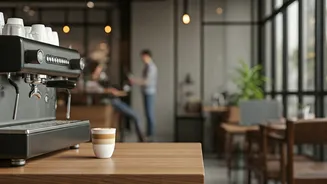
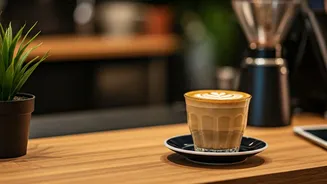
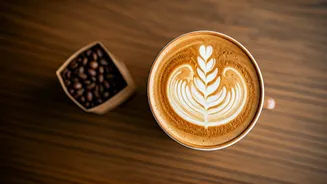
3 billion in 2025 and is projected to more than double by 2031. This surge is driven by a new generation of consumers, primarily Millennials and Gen Z, who are curious about single-origin beans, sophisticated brewing methods like pour-overs and AeroPress, and the story behind their coffee. As a result, baristas are no longer just staff; they are craftspeople, guiding customers through complex flavour profiles from fruity and wine-like notes of anaerobically fermented beans to the classic chocolatey finish of a good espresso.
The New Community Living Room
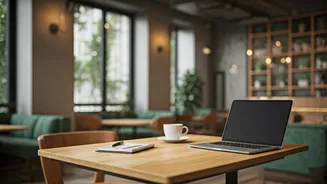
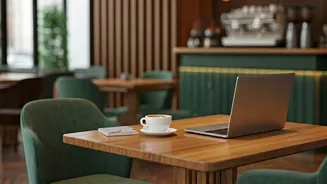
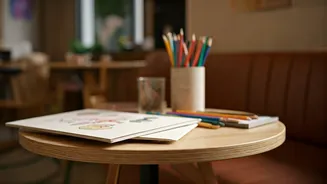
The role of the café has expanded far beyond serving beverages. It has cemented its status as the quintessential 'third place'—a space that is neither home nor office, but a comfortable, social hub in between. With hybrid work models becoming a norm, many now use cafés as their everyday office, seeking a creative and social environment that a home office or traditional workplace might lack. Café owners are responding by designing spaces with this in mind, offering everything from sound-insulated pods for calls to flexible seating that encourages both focused work and casual conversation. These venues are also becoming cultural hotspots, hosting open mic nights, book clubs, art exhibitions, and workshops, fostering a sense of community and connection.
Designed for the Digital Eye
In the age of social media, aesthetics are everything, and cafés have become masters of creating visually stunning environments. An 'Instagrammable' interior is no longer a bonus but a core part of the business strategy, designed to attract customers and generate organic marketing. From a monochrome café that makes you feel like you've stepped into a sketchbook to spaces bathed in a single, striking colour, the visual experience is paramount. This focus on design is about creating a vibe, an atmosphere that people want to be a part of and, crucially, share online. The food and drinks are also designed for the camera, with vibrant colours, unique presentation, and dramatic elements like smoke or fire becoming increasingly common.
A Destination for Foodies
The culinary ambition of cafés has grown exponentially. Gone are the days of a simple pastry or a pre-packaged sandwich. Modern cafés now boast extensive, chef-driven menus that can rival full-service restaurants. This 'food-led growth' means you're just as likely to find a gourmet sourdough toast topped with avocado and feta as you are a classic cappuccino. Menus are becoming more innovative, incorporating global flavours like yuzu and elderflower, as well as health-conscious options such as kombucha and adaptogen-based drinks. This evolution has turned cafés into all-day dining destinations, where patrons come for breakfast, stay for lunch, and might even linger for an evening snack, making the café a versatile player in the urban food scene.
Niche, Themed, and Hyper-Specific
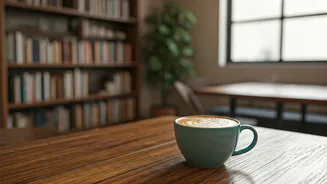
The café boom has also led to incredible specialisation. The 'one-size-fits-all' model is fading, replaced by themed and niche concepts that cater to specific communities and interests. There are now pet-friendly cafés where you can hang out with your furry friends, book cafés with sprawling libraries, board game cafés for a fun evening out, and even cause-driven cafés run by acid attack survivors. This trend towards specialisation shows the maturity of the market. By focusing on a unique theme or purpose, these cafés create a powerful sense of belonging and attract a loyal clientele that shares their passion, whether it's for dogs, literature, or supporting a social cause.