






The Art of the Unbundled Fare
The number one rule of budget airlines is that your initial ticket price buys you one thing: a seat. That's it. Everything else that legacy carriers often include is “unbundled” and sold separately. This means checked bags, carry-on bags, choosing your seat,
priority boarding, and even a bottle of water will cost you extra. This allows the airline to advertise a shockingly low base fare to attract customers, knowing a significant portion of their revenue will come from these add-on purchases, which are often called ancillary services.
One Fleet to Rule Them All
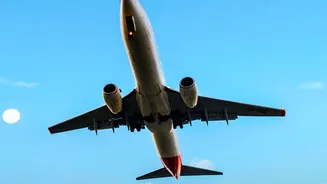
Look closely at a budget airline's fleet, and you'll likely see only one or two types of planes, such as the Boeing 737 or Airbus A320. This isn't a coincidence; it's a core cost-saving strategy. Operating a single fleet type means pilots, flight attendants, and mechanics only need to be trained on one system. The airline can also buy parts in bulk and streamline maintenance procedures, dramatically cutting operational complexity and costs compared to legacy carriers with diverse fleets.
More Seats, More Savings
Budget airlines are masters of maximizing space. They often configure their planes with more seats than a traditional airline would on the exact same aircraft model. This is achieved through “slimline” seats that take up less room and sometimes don't recline, reducing maintenance needs. While it might mean a little less legroom for you, for the airline, adding even 15 or 20 more seats spreads the fixed costs of the flight—like fuel, crew salaries, and landing fees—across more paying customers, lowering the per-ticket cost for everyone.
A Plane on the Ground Is Losing Money
Legacy carriers often use a “hub-and-spoke” model, which requires planes to wait on the ground for connecting passengers. Budget airlines largely reject this, focusing on direct, point-to-point routes. Their goal is maximum aircraft utilization, which means keeping planes in the air as much as possible. This leads to brutally efficient, quick turnaround times—sometimes as little as 30 to 60 minutes between landing and taking off again. This operational intensity means the same plane can fly more routes in a single day, generating more revenue.
Secondary Airports are a Primary Strategy
While you might want to land at a city's main international airport, budget carriers often opt for smaller, secondary airports. These less-congested airports typically charge lower landing and gate fees. The benefits are twofold: the airline saves direct operational costs, and it also avoids the frequent delays associated with crowded major hubs, helping them maintain their tight schedules. For travelers, this can sometimes mean a longer journey into the city center, a key trade-off for the lower ticket price.
Cutting Out the Middleman
Many budget airlines aggressively encourage customers to book directly through their own websites or apps. This strategy is designed to bypass third-party travel agents and online booking sites, which charge commissions or fees. By controlling the sales channel, the airline not only keeps more of the ticket revenue but also gains a direct relationship with the customer. This allows them to market their high-margin ancillary products—like hotels, car rentals, and travel insurance—directly to you during and after the booking process.