


Designate Your Drying Zone
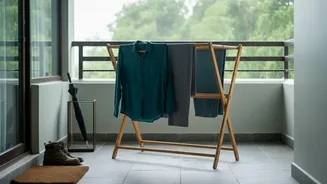
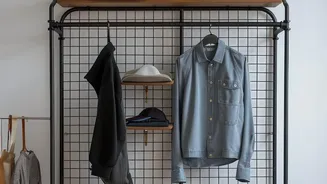
The first step to monsoon mastery is carving out a specific area for drying. This doesn't have to be a whole room; a corner of a less-used room, a covered balcony, or even a spacious hallway can work. The key is to choose a spot with good air circulation.
Ideally, this zone should be near a window you can crack open or under a ceiling fan to keep air moving. Avoid just hanging clothes anywhere they fit, as this slows down drying and increases humidity throughout the house, which can lead to musty smells and even mould. Your new drying zone is command central for tackling all things wet this season.
A Smart Laundry Strategy
During the monsoon, you can't do laundry the same way you do in summer. The goal is to reduce drying time from the very start. Begin by washing smaller, more frequent loads instead of letting laundry pile up. Overloading the machine means clothes won't spin out as effectively and will retain more water. Always use the highest spin cycle on your washing machine to remove as much excess water as possible. Consider using a detergent with anti-bacterial properties to prevent the growth of fungi that thrive in damp conditions and cause odours. When hanging, give each item space. Don't let clothes touch, as trapped moisture is a primary cause of that dreaded musty smell. Using hangers for shirts and dresses helps them dry faster and with fewer wrinkles.
Speed Up Drying and Banish Odours
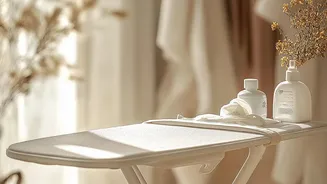
With no sun to help, you need to create your own drying-friendly environment. A fan is your best friend. Position a standing or table fan to blow air directly across your clothes on the drying rack. This constant airflow is more crucial than heat for indoor drying. For particularly humid homes, a dehumidifier can be a game-changer, as it actively pulls moisture from the air, helping clothes dry faster and preventing mould growth. If you notice a damp smell developing, ironing clothes when they are almost dry can help kill remaining bacteria and eliminate odours. A cup of white vinegar added to the final rinse cycle can also help soften clothes and prevent stiffness.
The Umbrella Drop-Off Point
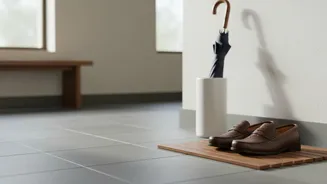
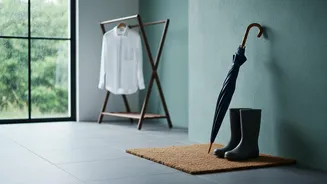
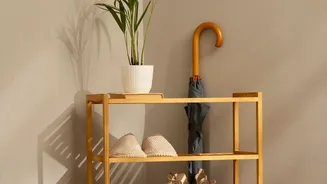
A wet umbrella can leave a surprisingly large puddle in its wake. Instead of leaning it in a random corner, create a dedicated spot for it right at your entrance. A tall, sturdy umbrella stand, ideally with a drip tray, is the perfect solution. This contains the water and keeps your floors dry and safe. For smaller spaces, a wall-mounted rack or even a simple bucket made of plastic or metal can serve the purpose effectively. The key is to have a designated waterproof container ready, so you have a place to put your umbrella the moment you step inside, preventing drips from being tracked through the house.
Solving the Soggy Shoe Problem
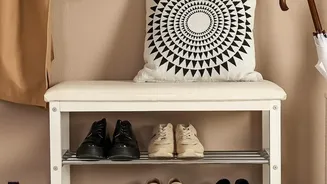
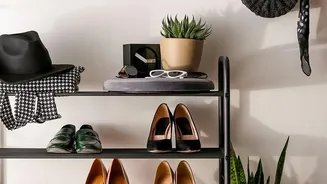
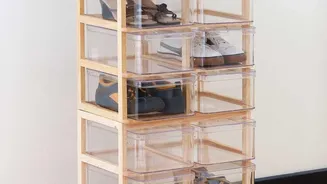
Wet shoes are not just uncomfortable; they can get ruined and develop a terrible odour if not dried properly. Never place wet shoes in direct heat, as this can damage the material. The first step is to remove the insoles and laces, allowing them to dry separately. To absorb moisture from the inside, stuff the shoes with crumpled newspaper. Change the newspaper every few hours until the shoes are mostly dry. For a final touch, placing them in front of a fan will speed up the process. To combat odours, sprinkle some baking soda inside once the shoes are dry and leave it overnight before vacuuming it out. A boot tray near the door is also a great investment to contain mud and water from everyday footwear.