






What is Functional Strength Training?
At its core, functional strength training is exercise that mimics everyday life. Instead of isolating a single muscle, like in a bicep curl, it focuses on compound movements that engage multiple muscle groups and joints at once. Think of actions you perform
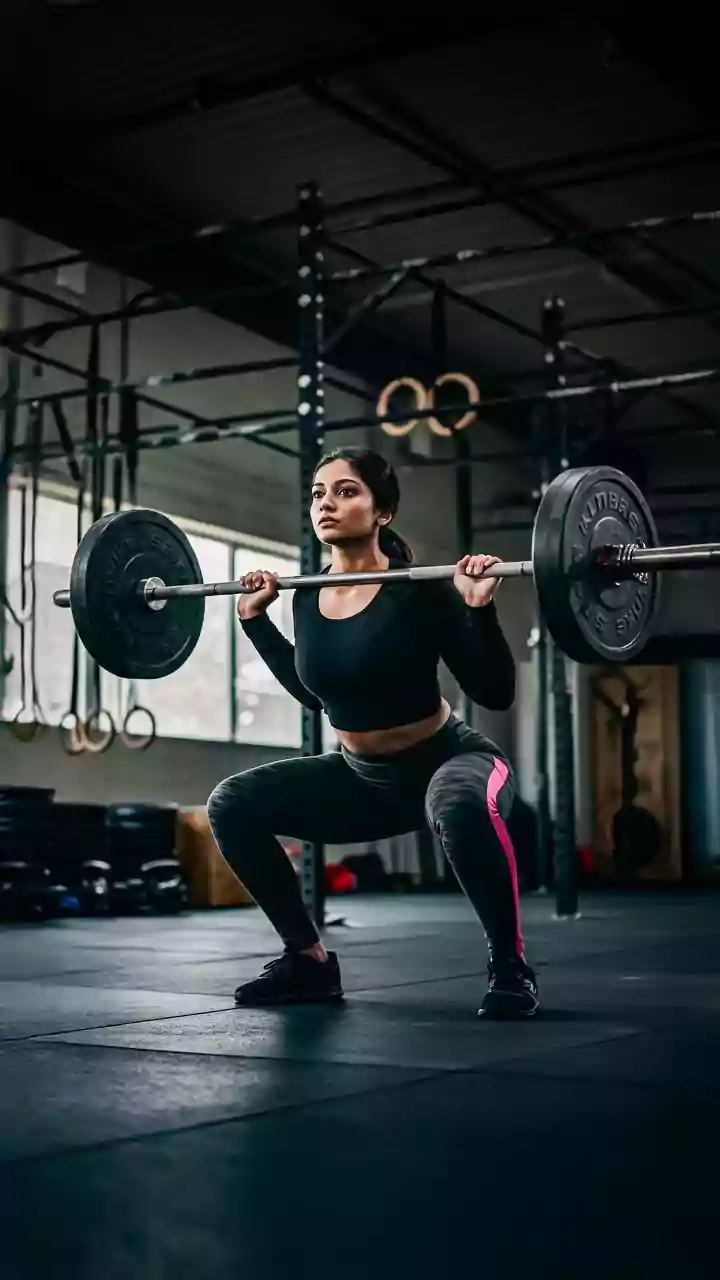
daily: squatting to pick up a package, lifting groceries, twisting to grab something from the car's back seat, or pushing open a heavy door. Functional exercises like squats, lunges, kettlebell swings, and rows train your body for these real-world tasks, improving coordination, balance, and stability. The philosophy is simple: prepare your body for life, not just for the gym.
The Ultimate Efficiency Hack
For millennial women juggling careers, family, and social lives, time is the ultimate luxury. This is where functional training’s efficiency becomes its biggest draw. Because functional exercises are compound movements, they deliver a full-body workout in a fraction of the time. A single kettlebell swing, for example, works your glutes, hamstrings, core, back, and shoulders simultaneously. This integrated approach means you can build strength, improve cardiovascular health, and enhance coordination all at once, making it a smarter way to train that respects a packed schedule. Research has even shown that this style of training can significantly reduce workout time while delivering the same fitness benefits as traditional programs.
Building Strength for Real Life
There's a growing shift among women away from purely aesthetic fitness goals toward a desire for practical, usable strength. Functional training directly serves this purpose. The strength gained from these programs translates into making daily activities feel easier and safer. It builds the core strength needed to maintain good posture at a desk, the stability to carry a child without straining your back, and the mobility to reduce the risk of injury during everyday movements. This focus on what your body can do rather than just how it looks is deeply empowering, fostering a renewed sense of confidence and capability.
A Shift in India’s Fitness Culture
Across India, the fitness landscape is evolving. Younger generations are increasingly prioritizing holistic wellness, longevity, and mental well-being over old-school metrics. There is a clear trend towards functional fitness and activities that support long-term health. This shift is driven by a desire for fitness to be integrated into daily life, not as a separate, punishing chore. The rise of home workouts and boutique studios offering classes like F45 and CrossFit, which heavily feature functional movements, proves the appeal of this practical and often community-driven approach. Social media also plays a huge role, with influencers showcasing kettlebell swings and bodyweight workouts, making this accessible form of training more visible than ever.
More Than Just a Workout
Beyond the physical benefits, functional training offers a significant mental advantage. The focus required for coordinated movements enhances the mind-muscle connection, turning a workout into a form of mindful movement. This can be a powerful tool for stress reduction and improving mental clarity. For many women who may have had negative experiences with gym culture in the past, the forgiving nature of functional fitness—which prioritizes progress over perfection—is a welcome change. The emphasis is on feeling strong, stable, and at home in your own body, making it a sustainable and enjoyable long-term practice.