




The Science of A Silent Defense
When you think of protecting crops, you probably picture fences or sprays. But a growing field of agricultural technology is turning to acoustics. The approach generally splits into two categories. The first uses high-frequency, ultrasonic sound waves
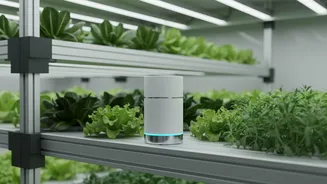
projected through the air. These sounds are well above the range of human hearing but can create an irritating, unwelcome environment for pests like rodents and certain insects, encouraging them to leave the area. Think of it as a constant, annoying background noise that only the unwanted guests can hear, making a garden or greenhouse a very unpleasant place to settle down. Because these systems don't use chemicals, they are a perfect match for the strict standards of organic farming.
Jamming the Conversation
The second, more targeted method, doesn't work through the air but through the plants themselves. Many crop-damaging insects, like leafhoppers and whiteflies, find their partners by sending subtle vibrational calls through the stems and leaves of plants. It’s a secret language of love and location, and scientists have figured out how to listen in—and disrupt it. By introducing a competing vibration, or a form of “white noise,” directly into the plant structure via a connected device, farmers can effectively jam the pests' communication channels. Males can't find females, mating is disrupted, and the pest population can be kept below a level that would cause economic damage, all without a single drop of pesticide. It’s less like a bug zapper and more like a highly sophisticated communication scrambler.
A Perfect Fit for City Farms
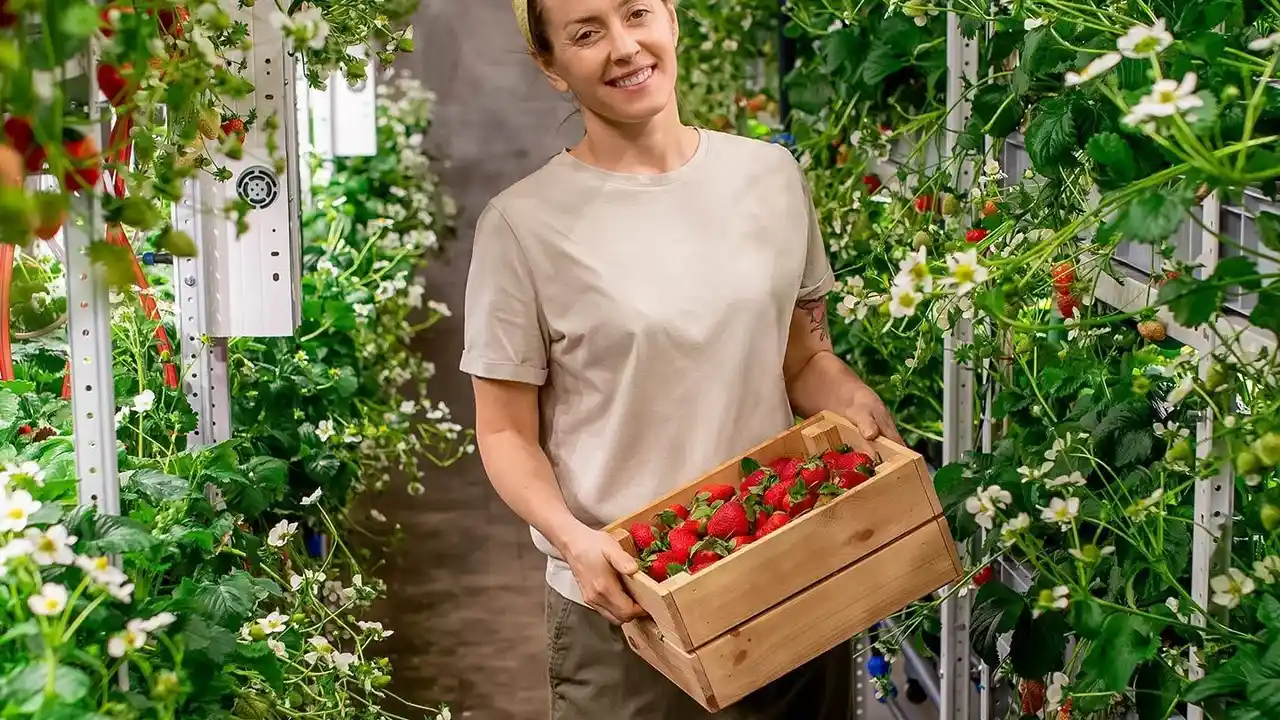
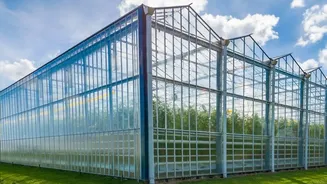
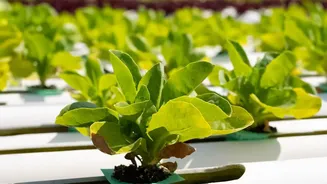
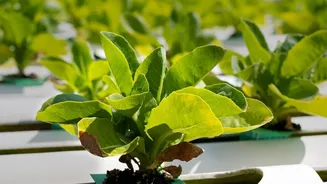
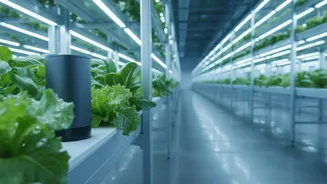
This technology is especially promising for urban agriculture. City farms often operate in enclosed spaces like greenhouses or on vertical racks, where sound and vibration can be controlled more effectively than in a vast open field. For organic urban farmers, who face pressure from pests that thrive in city environments, these sonic tools offer a way to protect their high-value crops without violating organic principles. There's no chemical residue to worry about, no harm to beneficial insects like bees, and no health risks for the farmers or the consumers who live just around the corner. This allows for the production of truly local, clean food in the heart of the city, which is the entire mission of the urban farming movement.
So, Is It Really That Easy?
The “easily” part of the equation depends on the method. Many ultrasonic repellers are essentially plug-and-play devices that are simple to install and maintain. The vibrational disruption systems are a bit more involved, sometimes requiring wires to be run along a trellis system or special plates to be used with potted plants, all powered by a central device. However, innovators are making these systems more user-friendly and even developing solar-powered versions for greater autonomy. When compared to the complexities and recurring labor of applying chemical or even some organic-approved pesticides, setting up a sonic protection system is a straightforward and long-term solution. It represents a shift from constantly fighting pests to creating an environment where they simply can't thrive.