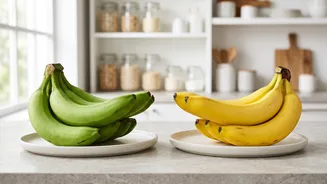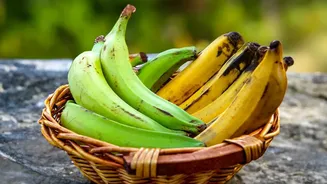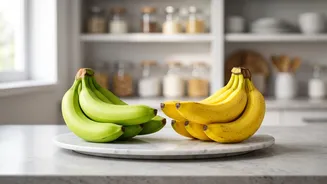




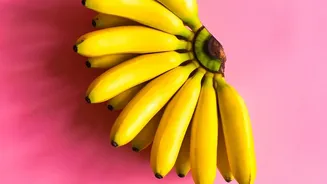


It’s a daily debate in kitchens everywhere: is a banana best when it’s firm and green, or soft and spotted? Beyond simple taste preference, the ripeness of a banana dramatically changes its nutritional makeup and how your body uses it.
The Great Starch-to-Sugar Conversion
The most significant
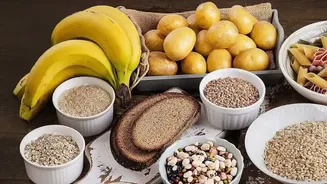
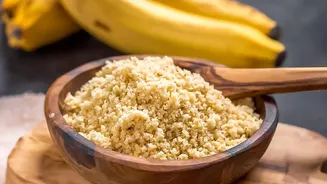
difference between a raw (green) and a ripe banana lies in its carbohydrate composition. Unripe bananas are packed with resistant starch. This type of starch 'resists' digestion in your small intestine, functioning more like a dietary fiber. As a banana ripens, enzymes naturally convert this complex starch into simple sugars like sucrose, fructose, and glucose. This is why a yellow, brown-spotted banana tastes significantly sweeter than its starchy, slightly bitter green counterpart. A fully ripe banana can see its starch content drop from over 20% to less than 1%, replaced almost entirely by sugar.
Impact on Your Digestive Health
Because of their different carb structures, green and ripe bananas affect your gut in unique ways. The resistant starch in green bananas acts as a prebiotic, feeding the beneficial bacteria in your colon. This process supports a healthy gut microbiome and can contribute to better digestive health. However, for some people, especially those not used to a high-fiber diet, the fermentation of this starch can cause gas and bloating. Ripe bananas, with their simple sugars and lower fiber content, are generally easier to digest. The pectin in bananas also breaks down as they ripen, making them softer and easier for the system to process. For those with sensitive digestion or IBS, a very ripe banana can sometimes be a trigger due to its high FODMAP content, while a firm, unripe banana is considered low-FODMAP.
The Blood Sugar Story
If you're managing blood sugar levels, ripeness is a critical factor. Thanks to their high resistant starch content, green bananas have a low glycemic index (GI), often rated around 30 to 42. This means they release glucose into the bloodstream slowly, preventing sharp spikes in blood sugar. As the starch converts to sugar, the GI of a banana rises. A fully ripe, spotted banana can have a GI of 62 or higher, placing it in the medium category. This makes it a source of quick energy, ideal for before or after exercise, but less suitable for individuals with diabetes who need to maintain stable glucose levels.
A Question of Nutrients and Antioxidants
While the core vitamins and minerals like potassium, vitamin B6, and vitamin C remain relatively stable throughout the ripening process, their bioavailability and the presence of other compounds can change. For instance, some nutrients may become easier for the body to absorb as the banana ripens. Furthermore, antioxidant levels, particularly compounds like flavonoids and amines, tend to increase as a banana matures. So, a brown-spotted banana may offer a greater punch of cell-protecting antioxidants than a green one. These antioxidants help protect the body from damage caused by free radicals.
Which Banana Should You Choose?
Ultimately, there is no 'good' or 'bad' banana; the right choice depends entirely on your health goals and personal preferences. Choose a green, unripe banana if:
- You want to support your gut health with prebiotic fiber.
- You need to keep your blood sugar levels stable.
- You prefer a firmer texture and less sweetness, perhaps for use in savory dishes.
Choose a yellow, ripe banana if:
- You need a quick, easily digestible source of energy.
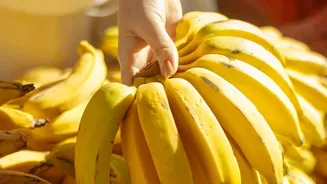
- You want a sweeter taste and a smoother texture for snacking or baking.
- You are looking to maximize your antioxidant intake.