


When to Go
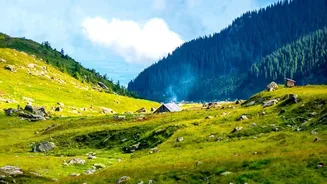
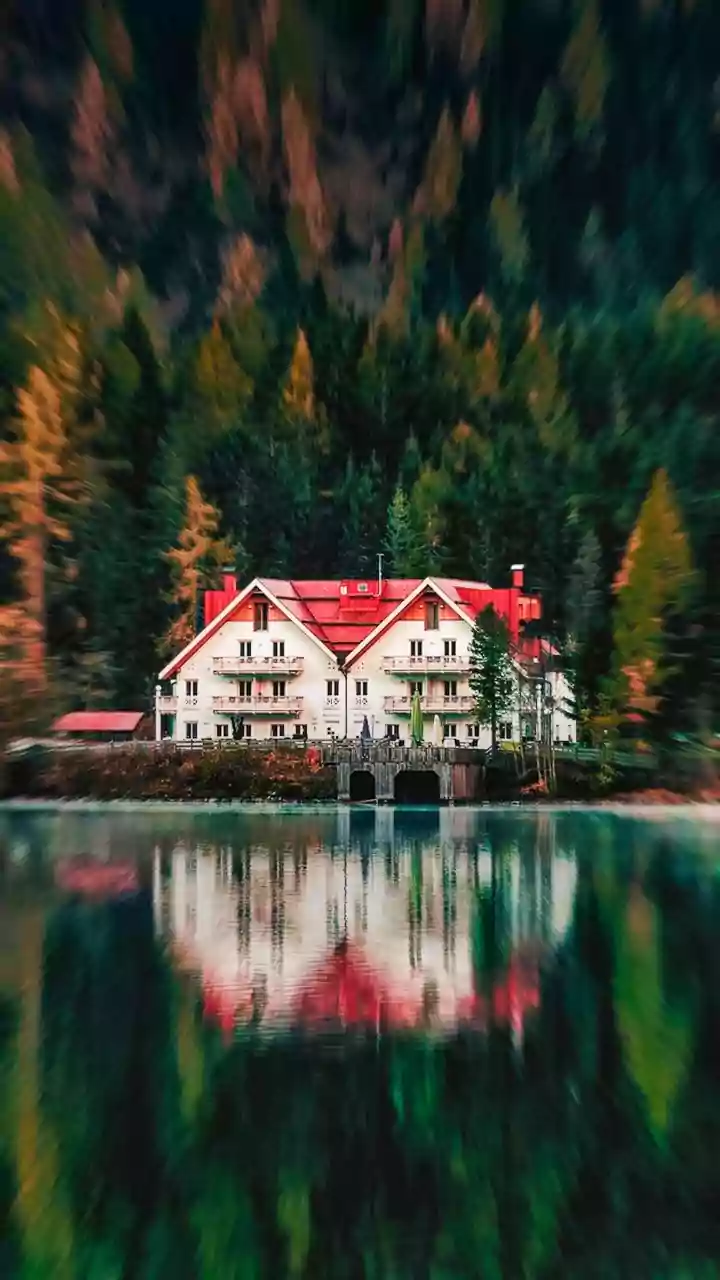
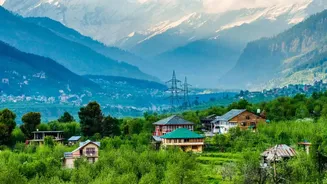
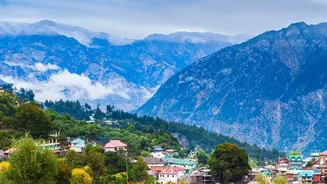
The best time to visit Shoja and Tirthan Valley is during the spring and summer months, from March to June. During this period, the weather is pleasant, with lush greenery and blooming flowers creating a picturesque landscape ideal for trekking and sightseeing.
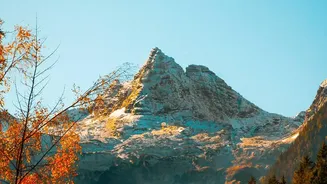
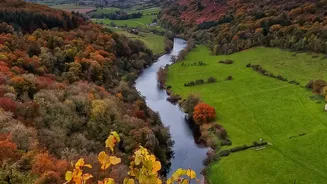
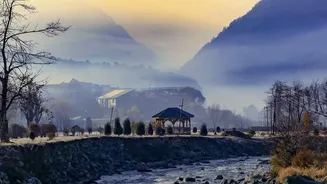
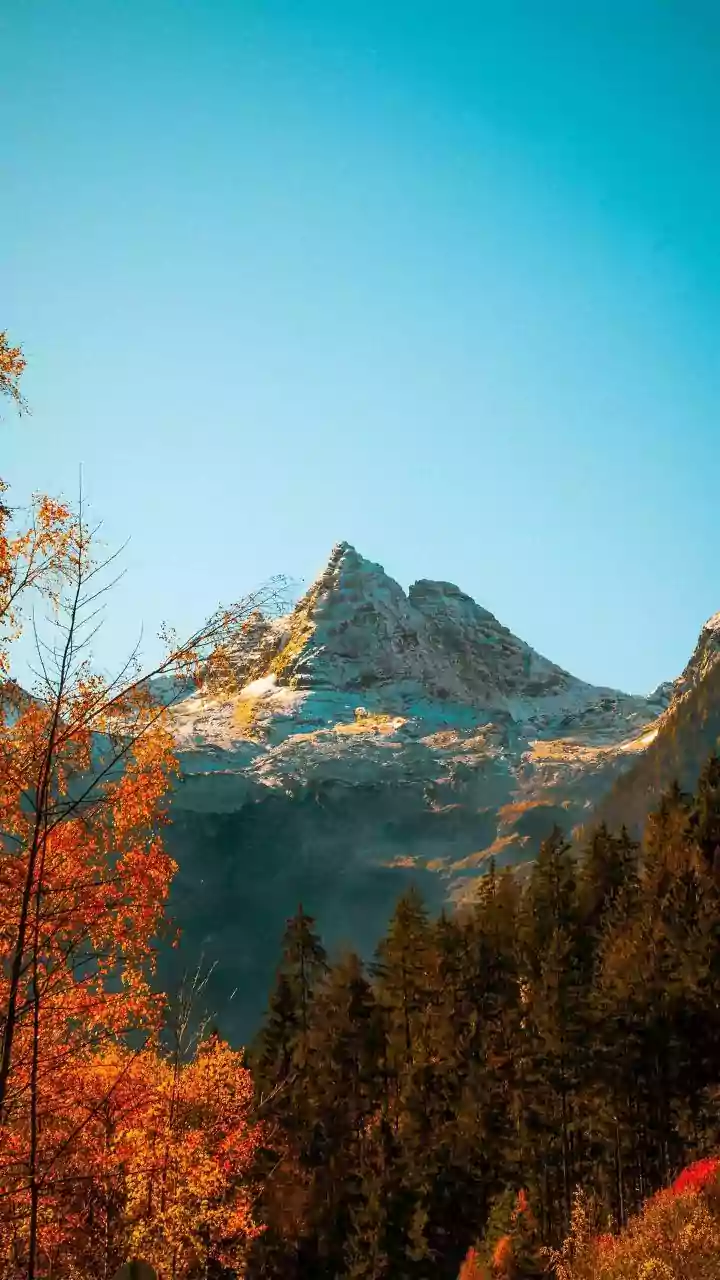
Another excellent window is from September to November, when the monsoon has passed, leaving behind crisp air, clear skies, and fewer crowds. Winters (December to February) are for those who enjoy the snow and cold, but be aware that heavy snowfall can close Jalori Pass, limiting access to some areas.
Getting There
The most common way to reach the region is by road. From Delhi or Chandigarh, you can take an overnight bus heading towards Manali and get off at Aut, which is the gateway to Tirthan Valley. The journey from Delhi to Aut takes about 12-14 hours. From Aut, you can hire a local taxi or take a bus to reach your final destination, whether it's Shoja (about 35 km from Aut) or a village within Tirthan Valley like Gushaini. The nearest airport is Bhuntar Airport near Kullu, around 50 km away, from where taxis are readily available. For those preferring trains, the closest major railway station is Chandigarh, from where you can continue the journey by road.
A Suggested 7-Day Itinerary
Day 1-2: Arrive in Shoja. Travel from Aut to the quiet hamlet of Shoja. Spend your first day acclimatizing and taking a gentle walk around the village. On the second day, drive the short distance to Jalori Pass (3,120m). From here, embark on the easy 5 km trek to Serolsar Lake, a serene water body surrounded by thick oak forest. The round trip takes about 4-5 hours.
Day 3: Raghupur Fort Trek. Return to Jalori Pass for another rewarding trek, this time to Raghupur Fort. It's a shorter but steeper 3 km climb that opens up to a stunning 360-degree panoramic view of the Himalayas from the fort's ruins.
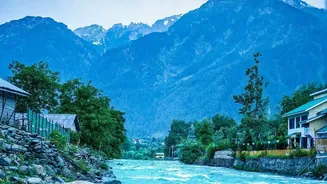
Day 4-5: Explore Tirthan Valley. Travel from Shoja down to Tirthan Valley and check into a homestay in a village like Gushaini or Nagini. Spend the afternoon relaxing by the crystal-clear Tirthan River. The next day, visit the gate of the Great Himalayan National Park (a UNESCO World Heritage Site) for a short forest walk and explore the beautiful Chhoie Waterfall, a short hike from Nagini village.
Day 6: Trout Fishing and Village Walks. Tirthan River is famous for its trout. Spend the morning trying your hand at angling (permits may be required). In the afternoon, explore the traditional villages of the valley, interacting with locals and experiencing their way of life.
Day 7: Departure. After a final Himalayan breakfast, make your way back to Aut to catch your bus for the return journey, filled with memories of the serene landscape.
Where to Stay
The charm of Shoja and Tirthan lies in their authentic homestays and cozy guesthouses. These accommodations offer a chance to experience local culture and hospitality firsthand. Options range from budget-friendly rooms in traditional wooden houses to more comfortable cottages with stunning valley views. Hostels are also available for backpackers looking for a social atmosphere. Booking in advance is recommended, especially during the peak season from March to June.
Essential Tips for Backpackers
Pack in layers, as the weather can change quickly in the mountains. A warm jacket, even in summer, is essential. Carry comfortable and sturdy trekking shoes, a reusable water bottle, a basic first-aid kit, and sunscreen. While some areas have decent mobile connectivity, be prepared for intermittent signals, especially in remote locations and within the national park. Always carry some cash, as ATMs are scarce. Finally, respect the local culture and the pristine environment by not leaving any litter behind.