






The Rise of Gastronomic Journeys
In recent years, a new kind of travel has captured the imagination of Indian explorers: culinary tourism. No longer just a component of a trip, food is increasingly the primary motivation for travel. This goes far beyond simply eating well. It is about
actively seeking immersive experiences, from learning closely guarded family recipes to joining guided street food walks that uncover the soul of a city. This trend reflects a deeper desire to connect with a place on an authentic level. Travellers are choosing destinations based on the unique culinary stories they offer, whether it's the royal kitchens of Rajasthan or the vibrant seafood culture of Kerala. Industry reports show a significant spike in this trend, with a large percentage of Indian travellers now planning their holidays around food.
A Bite of History, A Taste of Place
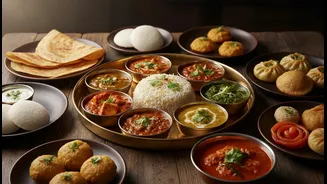
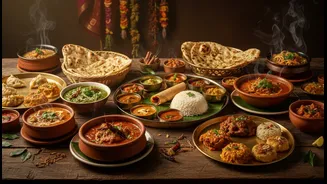
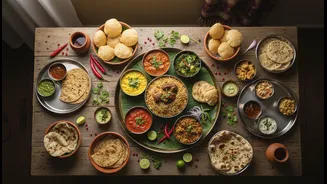
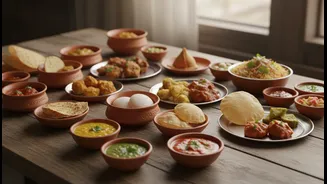
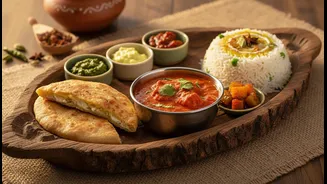
Every region in India has a distinct culinary identity shaped by its geography, history, and local ingredients. The robust, desert-friendly dishes of Rajasthan, like dal baati churma, tell a story of scarcity and ingenuity. The complex spice blends of Chettinad cuisine speak of a community's maritime trading history. Down south, the liberal use of coconut and tamarind in Kerala's curries is a direct reflection of the coastal landscape. Food serves as a living museum, preserving centuries of cultural exchange. The Mughlai feasts of Delhi and Agra, with their rich kebabs and fragrant biryanis, are an enduring legacy of the Mughal emperors. By exploring these local specialties, a traveller is not just tasting a dish; they are consuming a piece of that region's heritage.
The Powerful Connection Between Food and Memory
Why does the taste of a particular dish feel like coming home? The link between our senses of smell and taste and the part of our brain responsible for emotion and memory is incredibly strong. This is why a specific flavour can trigger such a powerful wave of nostalgia, instantly taking us back to a person, place, or moment in time. For many, the most comforting foods are those tied to childhood—a grandmother's special recipe or a dish enjoyed during a family festival. These foods are more than just recipes; they are carriers of personal history, love, and identity. This emotional connection is a core part of the food tourism experience, transforming a simple meal into a profound personal journey.
Modern Ways to Explore Ancient Flavours
The ways to engage in food tourism are as diverse as India's cuisine itself. It's no longer limited to high-end restaurants. Travellers can now participate in cooking classes in local homes, an experience that offers intimate insight into a region's culinary traditions. Guided street food tours in cities like Delhi, Mumbai, and Kolkata provide a safe and curated way to sample iconic local snacks that define the city's food culture. Spice plantation tours in Kerala and Goa connect travellers directly to the source of India's famous flavours. Even luxury hotels are shifting their focus, creating menus that tell a story and offering heritage dining experiences that become a central part of the stay. This modern approach makes culinary exploration accessible to everyone, from backpackers to luxury travellers.
Your Kitchen as a Departure Gate
The beauty of travelling through taste is that it doesn't always require a ticket. You can embark on a culinary journey right from your own kitchen. Recreating a dish from a different region or even from your own family's past is a powerful way to connect with that culture and memory. Exploring regional recipes online, watching food vlogs, or buying a cookbook can open up a world of flavours and stories. Whether it’s attempting to make Punjabi sarson da saag or Bengali shorshe ilish, the act of cooking becomes an act of exploration. It allows you to understand the ingredients, techniques, and cultural significance behind a dish, offering a small taste of another place and time without ever leaving home.