





Understanding 'Immunity Boosting'
First, let's clear up a common misconception. The term 'immunity boosting' is more of a marketing phrase than a scientific one. A healthy immune system operates in a delicate balance, and you wouldn't want to 'boost' it into overdrive, which can lead
to autoimmune issues. Instead, the goal is to support and maintain its normal, robust function. A well-functioning immune system is incredibly complex, involving a network of cells, tissues, and organs that work together to protect you from pathogens. Providing it with the right fuel through a balanced diet is the most effective strategy, rather than looking for a single 'superfood' to do all the work.
Embrace Vitamin C, But Not Just from Oranges
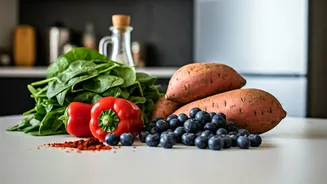
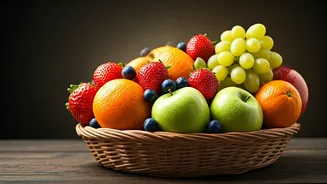
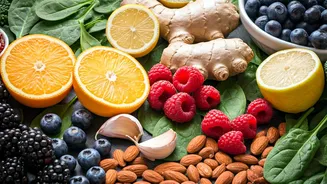
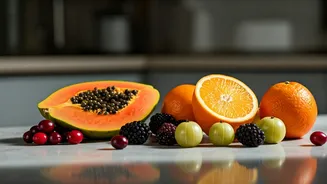
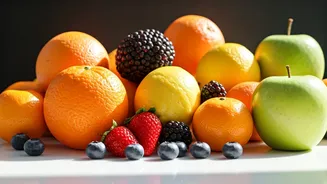
Vitamin C is the celebrity of immune-support nutrients, and for good reason. It encourages the production of white blood cells, which are key to fighting infections. While we often reach for an orange or a glass of nimbu pani, many other foods are even richer in this vital antioxidant. Red bell peppers, for instance, contain almost three times as much vitamin C as an orange. Other excellent sources include amla (Indian gooseberry), guava, strawberries, kiwi, broccoli, and papaya. Since your body doesn't produce or store vitamin C, you need a daily intake to keep your levels topped up.
Power Up with Zinc
Zinc is a mineral that often flies under the radar, but it's crucial for immune cell function and communication. Even a mild deficiency can impair your immune response. The body needs zinc to activate T-cells, which help control and regulate immune responses and attack infected cells. While meat and shellfish are high in zinc, there are plenty of vegetarian sources available in an Indian diet. Think legumes like chickpeas (chana) and lentils (dal), seeds such as pumpkin and sesame seeds, and whole grains like oats. A handful of nuts or seeds can make for a great immunity-supporting snack.
The Gut-Immune Connection: Probiotics
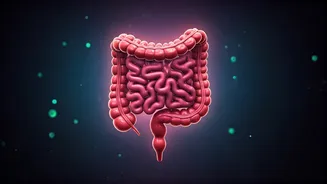
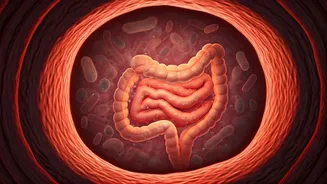
Did you know that a large part of your immune system resides in your gut? A healthy gut microbiome helps regulate your immune response. Probiotics are beneficial bacteria that contribute to a healthy gut environment. Fermented foods are a fantastic natural source of these helpful microbes. Dahi (yogurt) is a classic example, packed with live and active cultures. Other great options include kefir, kimchi, and fermented pickles. Including these foods in your diet can help maintain the balance of good bacteria in your digestive system, which in turn supports overall immune health.
Add Colour with Antioxidants and Phytonutrients
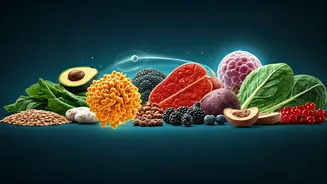
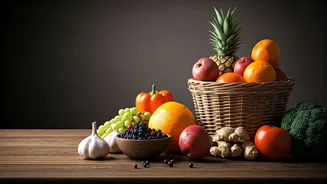
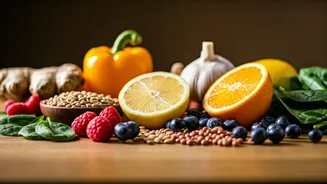
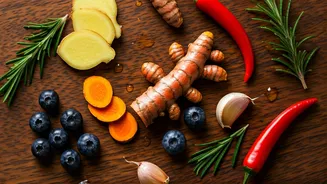
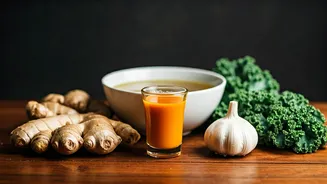
A colourful plate is a healthy plate. Fruits and vegetables get their vibrant hues from compounds called phytonutrients, many of which have powerful antioxidant and anti-inflammatory properties. Antioxidants help protect your cells from damage caused by free radicals. Turmeric (haldi), a staple in every Indian kitchen, contains curcumin, a compound with potent anti-inflammatory effects. Garlic has been shown to have immune-supporting properties, thanks to its sulphur-containing compounds like allicin. Dark leafy greens like spinach (palak) and fenugreek (methi) are packed with antioxidants and vitamins. The key is variety—aim to eat a rainbow of foods every day.
Don’t Forget Vitamin D
Often called the 'sunshine vitamin', Vitamin D plays a critical role in modulating the immune response. While our bodies can produce it from sun exposure, many people still have insufficient levels, especially those who spend a lot of time indoors. Few foods naturally contain vitamin D, but sources include fatty fish like salmon and mackerel, egg yolks, and fortified foods such as milk, yogurt, and some breakfast cereals. Given the difficulty of getting enough from diet alone, your doctor might recommend a supplement after checking your levels.