







From Concrete Corner to Green Escape
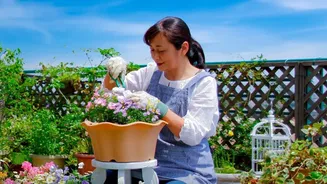
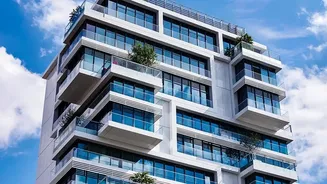
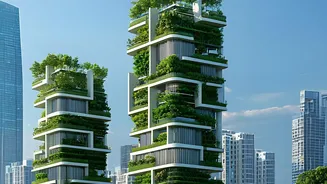
In the dense landscapes of Mumbai, Delhi, and Bengaluru, urban dwellers are increasingly creating their own pockets of nature. This trend is about more than just aesthetics; it's a way to reclaim a connection to the natural world and improve mental wellbeing.
Gardening has been shown to reduce stress, improve mood, and provide a sense of accomplishment. For many, tending to plants has become a therapeutic ritual, a mindful escape from the pressures of city life. This shift reflects a broader desire for a healthier, more sustainable lifestyle, with homeowners seeking to add green cover, improve air quality, and even grow their own fresh produce.
The Joy of Seasonal Rhythms
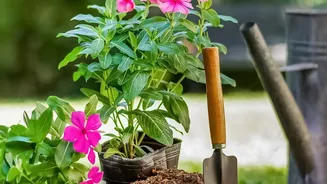
A key part of this movement is the embrace of seasonal planting. Instead of static, year-round displays, gardeners are finding joy in rotating plants to match the seasons, ensuring their small space is always evolving. The post-monsoon and winter months (October to February) are widely considered the peak season for gardening in most of India. This is the ideal time for cool-season flowers and vegetables. As temperatures rise in the summer (March to June), the focus shifts to heat-tolerant species that can withstand intense sun. This seasonal approach not only guarantees more successful and vibrant gardens but also keeps the hobby engaging and dynamic. Many flowers are seasonal, with varieties like Petunia thriving in winter while Vinca (Periwinkle) loves the summer heat.
A Gardener's Calendar: What to Plant and When
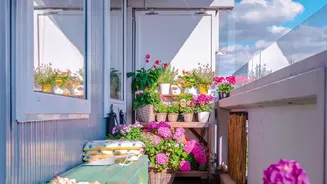
Knowing what to plant is crucial for success. During the cooler, drier winter months (October-February), balconies can be filled with colourful flowers like Marigolds, Petunias, Pansies, and Snapdragons. This is also the prime time for growing vegetables like spinach, carrots, radishes, and herbs like coriander and mint.As summer arrives, switch to hardy, sun-loving plants. Bougainvillea, Hibiscus, and Portulaca (Moss Rose) are excellent choices that thrive in the heat. For edibles, heat-tolerant options like chillies, cherry tomatoes, and brinjal (eggplant) do well. Many gardeners find that even a small collection of pots can yield a surprising amount of fresh produce.
Small Space, Big Impact: Essential Tips
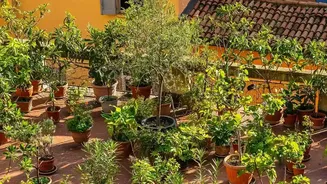
Making the most of a compact area requires smart planning. Vertical gardening is a major trend, using wall-mounted planters, tiered stands, and trellises to grow upwards and save precious floor space. Railing planters are another excellent way to add flowers and herbs without clutter. Choosing the right containers is also important; lightweight fibre pots or grow bags are often safer for balconies. Good drainage is non-negotiable, so ensure every pot has holes. For soil, a common recommendation is a mix of cocopeat, garden soil, and compost, which prevents the soil from compacting in pots. Finally, start small with a few manageable plants and scale up as you gain confidence.
More Than Just a Hobby
Ultimately, the rise of seasonal planting in urban India is about finding a deeper sense of purpose in small spaces. It’s a hands-on way to engage with the seasons, a practical method for producing fresh herbs and vegetables, and a powerful tool for mental wellness. It provides a gentle form of physical activity and can be an educational experience for children, teaching them where food comes from. Whether it’s a single pot of Tulsi on a windowsill or an elaborate vertical garden on a terrace, these small patches of green are enriching the lives of city dwellers in countless ways.