

Your Stargazing Starter Kit
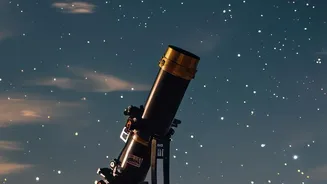
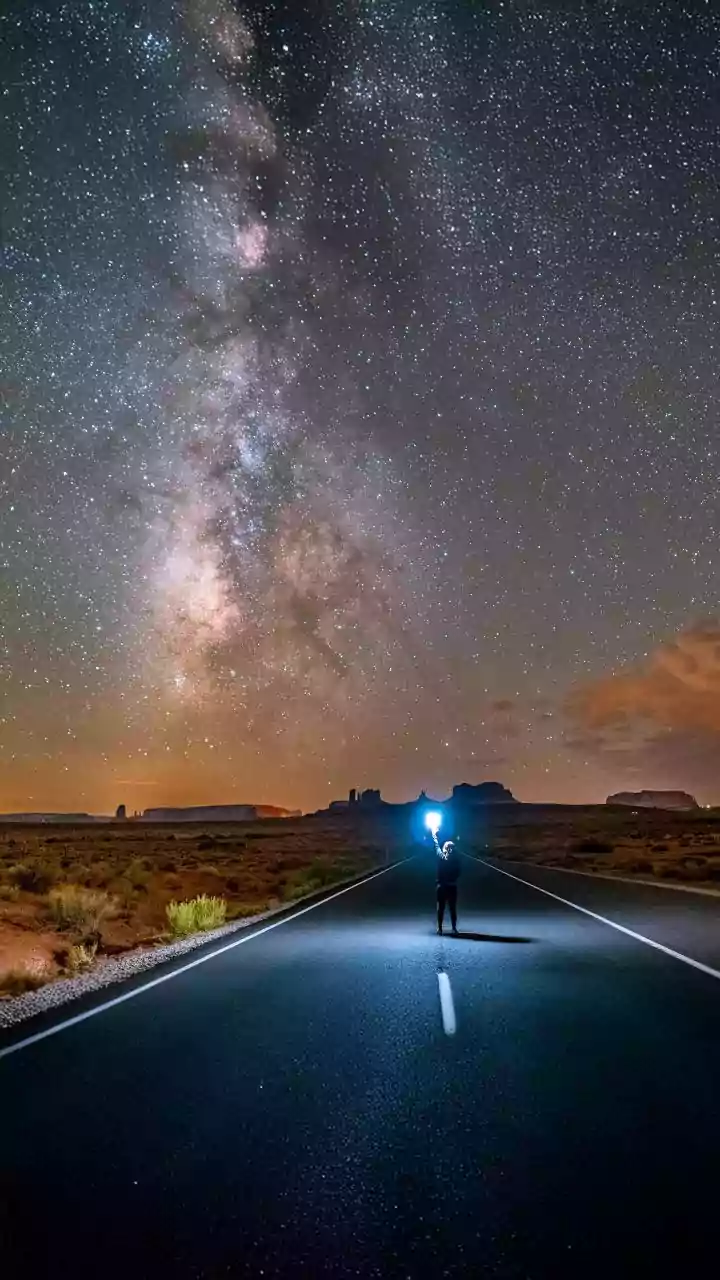
You don't need expensive equipment to become a skywatcher. The best tools are your own eyes and a bit of patience. For the best experience, find a spot away from bright city lights. It can take your eyes about 20 to 30 minutes to fully adapt to the darkness,
which will allow you to see fainter objects. Dress warmly, bring a comfortable chair or blanket, and give yourself time to simply look up. A stargazing app on your phone can help you identify constellations and planets, but remember to switch your screen to red-light mode to preserve your night vision.
October 4: Saturn Shines Brightest
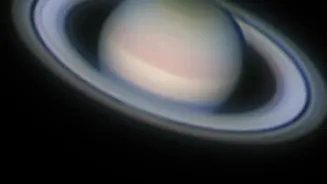
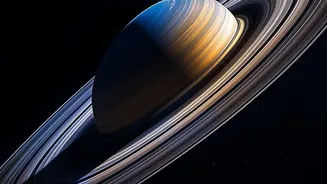
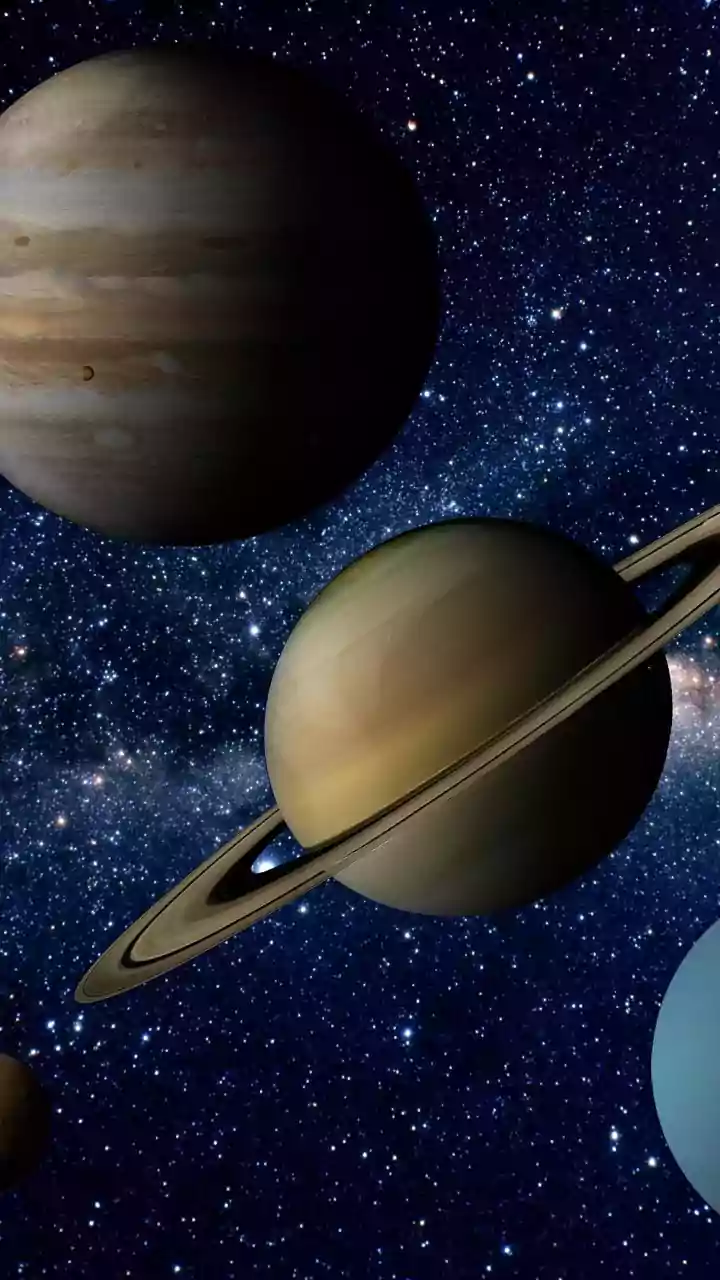
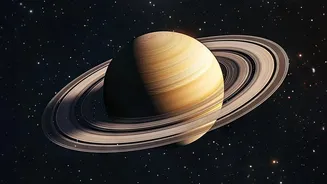
October kicks off with a brilliant display from the ringed planet. On October 4, Saturn will be at opposition, meaning Earth is passing directly between it and the Sun. This alignment makes Saturn appear bigger and brighter in our sky than at any other time of the year. The planet will rise around sunset and remain visible all night long, appearing as a bright, steady, yellowish point of light. While its famous rings are only visible through a telescope, you can easily spot the planet itself with just your eyes. This is the perfect opportunity to appreciate one of the jewels of our solar system.
October 8–9: An Evening Meteor Shower
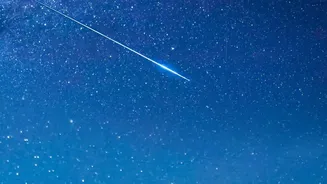
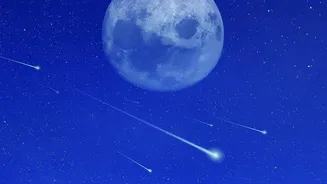
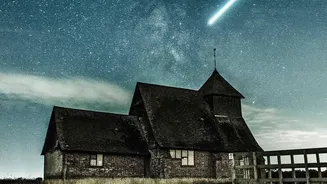
The Draconid meteor shower is a special treat because it’s one of the few that’s best viewed in the evening, right after nightfall, rather than in the early morning hours. Peaking on the night of October 8, the shower is expected to produce a modest 5 to 10 meteors per hour. However, the Draconids are known for occasional outbursts of much higher activity. This year’s viewing conditions are nearly perfect, with the new moon arriving on October 10, ensuring dark, moonless skies for the peak. Find the constellation Draco the Dragon high in the northern sky and watch for slow-moving shooting stars.
October 21–22: Fireballs from Halley's Comet
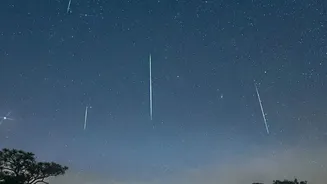
The Orionid meteor shower, which peaks on the night of October 21 into the morning of October 22, is one of the most beloved of the year. These meteors are actually tiny, fast-moving pieces of debris left behind by the famous Halley's Comet. At its peak, the shower can produce up to 20 or 25 meteors per hour, many of which are bright and can leave persistent trails. A bright waxing gibbous moon will be in the sky during the evening, which may wash out some fainter meteors. For your best shot, plan to watch in the few hours before dawn, after the moon has set. The meteors will appear to radiate from the constellation Orion but can be seen streaking across any part of the sky.
October 26: The Full Hunter's Moon
October's full moon, known as the Hunter's Moon, will reach its peak illumination just after midnight on October 26. However, the most breathtaking view is often on the evening before, on Sunday, October 25, when you can watch the large, orange-hued moon rise above the eastern horizon around sunset. This full moon was traditionally named because its bright light would help hunters spot prey after the fields had been harvested, in preparation for the coming winter. It’s a beautiful sight that requires no special equipment, just a clear view of the horizon.
More Sights in the Sky
Keep an eye out for other celestial happenings this month. On the morning of October 6, Jupiter will appear very close to the Moon, with some parts of North America able to see the Moon briefly pass in front of the giant planet in an event called an occultation. Throughout the month, Mars and Jupiter will also be visible as bright 'stars' in the early morning sky. And on October 27-28, the Moon will pass close to the beautiful Pleiades star cluster, also known as the Seven Sisters, making for another lovely photo opportunity.