





Summer's Bounty (March - June)
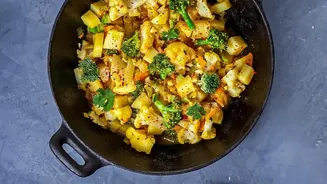
As the temperatures rise, the markets fill with vegetables that are high in water content and perfect for light, cooling meals. This is the season for gourds of all kinds, which are fantastic in both quick stir-fries and soupy curries. Look for bottle
gourd (lauki), ridge gourd (turai), and bitter gourd (karela). Okra (bhindi) is another summer star, ideal for a crisp stir-fry or a tangy curry base. When thinking about summer dishes, focus on quick cooking methods. A simple lauki curry with a thin, yoghurt-based gravy or a bhindi stir-fried with onions and tomatoes can be incredibly refreshing. This is also the peak season for fruits like mangoes and watermelon, which can inspire sweet and sour notes in your cooking.
The Monsoon Harvest (July - October)
The arrival of the monsoon transforms the landscape and the produce available. This season brings a profusion of leafy greens and gourds. Vegetables like snake gourd, taro (arbi), and yam become widely available. It's also a prime time for corn, which can add a sweet crunch to stir-fries. This is the perfect time for comforting, warm dishes that counter the damp weather. Think about a rich arbi curry or a simple stir-fry with freshly plucked greens. In some regions like Goa and Maharashtra, unique edible mushrooms appear during this season, perfect for local curry and stir-fry preparations. Other monsoon staples include cluster beans (guar), cucumber, and brinjal, offering a wide palette for your kitchen experiments.
Winter's Richness (November - February)
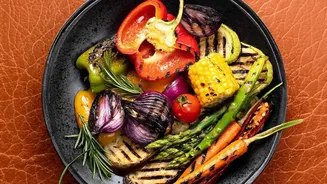
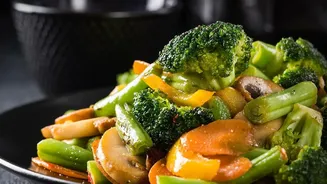
Winter is the season for hearty, nourishing vegetables that lend themselves to rich, slow-cooked dishes. The cooler weather brings an abundance of root vegetables like carrots, beets, radish, and turnips. These vegetables add a natural sweetness to curries and stews. Winter is also the best time for leafy greens like spinach (palak), fenugreek (methi), and mustard greens (sarson), which are central to many iconic Indian dishes like saag. Cruciferous vegetables like cauliflower, cabbage, and broccoli are at their peak, perfect for both robust curries and flavourful stir-fries. A mixed vegetable curry with carrots, peas, and cauliflower is a classic winter comfort food.
Tips for Perfect Curries and Stir-Fries
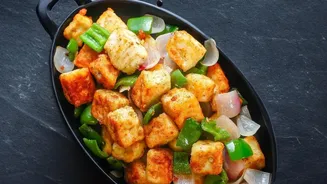
The beauty of curries and stir-fries is their versatility. You can adapt almost any vegetable to these cooking styles. For curries, the base is everything. A simple onion-tomato masala can be a canvas for anything from tender bottle gourd to sturdy cauliflower. Adjust the richness based on the season—lighter coconut milk or yoghurt bases work well in summer, while creamier, nut-based gravies are great for winter. For stir-fries, the key is high heat and quick cooking to retain the vegetable's texture and nutrients. Cut harder vegetables like carrots or potatoes into smaller pieces to ensure they cook evenly. Don't be afraid to mix and match; a stir-fry with beans, carrots, and corn is a wonderful way to combine textures and flavours.
Beyond the Calendar: Year-Round Staples
While eating seasonally is a fantastic goal, some vegetables form the backbone of Indian cooking all year round. Onions, potatoes, tomatoes, and ginger-garlic paste are the essential building blocks for countless curries and stir-fries across every region. Similarly, many dals and lentils are available throughout the year and can be combined with seasonal vegetables to create wholesome, complete meals. Think of a simple dal tadka paired with a seasonal stir-fry of your choice. Having these staples on hand ensures that you can always whip up a delicious meal, using the best of what the current season has to offer as the star ingredient.