



The Familiar Frenzy of Mall Road
For generations of Indians, a trip to a hill station was synonymous with a leisurely stroll down the Mall Road. It was the epicentre of activity, a place to see and be seen. From Shimla to Nainital, Mussoorie to Darjeeling, these pedestrian-only (or at least,
theoretically pedestrian) stretches were the default destination for evening entertainment, shopping for wooden trinkets, and grabbing a hot plate of momos or a softy ice cream. But over time, this beloved tradition has started to feel less like a relaxing escape and more like a chore. The charm has often been replaced by overwhelming crowds, traffic jams leading up to the main strip, and a generic commercialism that makes one Mall Road feel indistinguishable from the next. The search for a parking spot becomes the day’s main adventure, and the promise of serene mountain views is obscured by a forest of selfie sticks.
Discovering the Soul of a Place
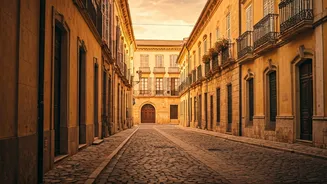
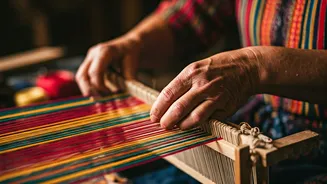
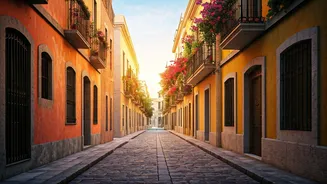
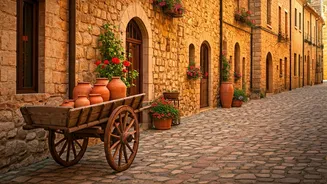
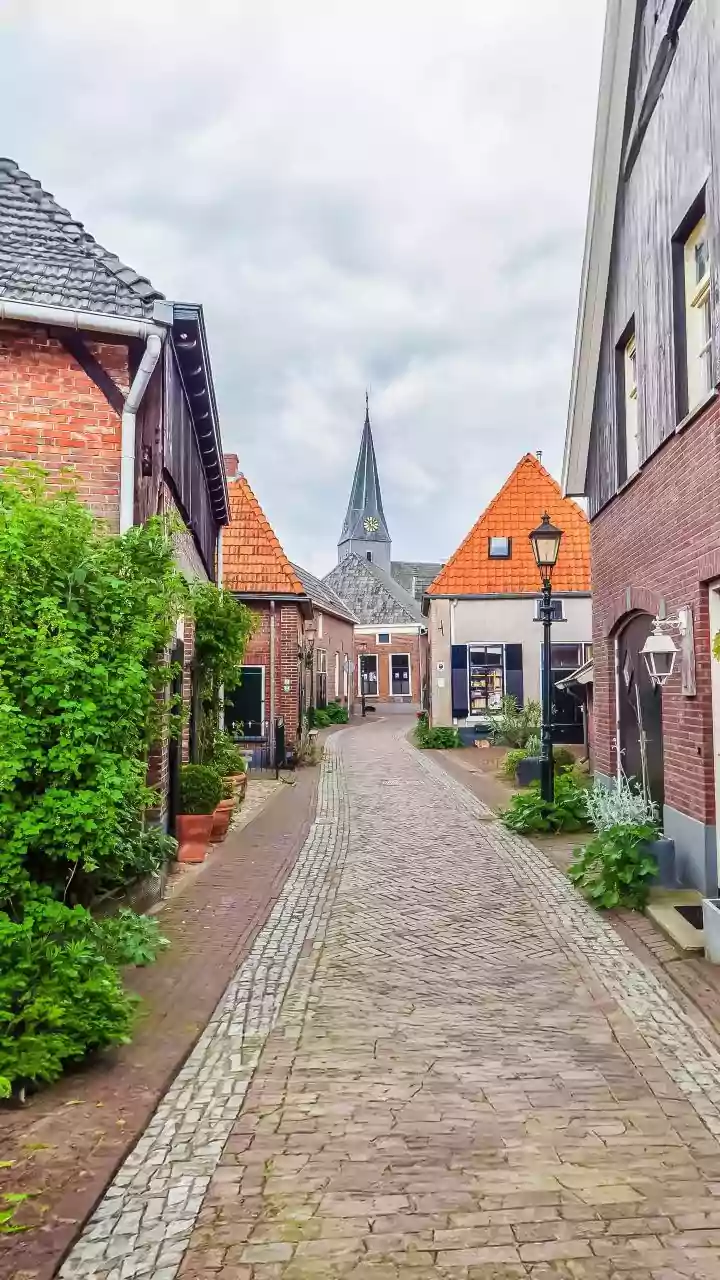
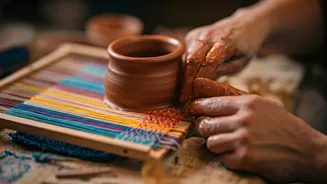
In stark contrast, a different kind of travel is gaining momentum. Travellers are increasingly venturing into the historic hearts of these destinations—the 'old towns'. Think of the winding, cobbled lanes of Old Manali, far removed from the bustling new town. Picture the colonial-era calm of Landour, perched just above the tourist-packed Mall Road of Mussoorie. Or consider the vibrant, bougainvillea-draped alleys of Fontainhas in Goa and the spice-scented air of Fort Kochi in Kerala. These areas offer what the commercial centres no longer can: a sense of place. Here, the architecture tells a story. Small, family-run cafes serve local delicacies, not just generic fast food. Art galleries and boutique stores showcase the work of local artisans, and the pace of life slows down, inviting you to wander without a checklist. It’s a shift from merely visiting a place to truly experiencing it.
A Change in Travel Philosophy
So, what’s driving this change? It’s more than just a desire to avoid crowds. The modern Indian traveller is more discerning and experience-hungry than ever before. The rise of Instagram and travel blogs has created a demand for unique, aesthetically pleasing, and story-rich destinations. A photo of a quaint, unheard-of cafe in a colourful lane has more social currency than another picture of a crowded viewpoint. Furthermore, the post-pandemic world has amplified our need for authenticity and meaningful connections. Having been isolated, people are now seeking travel that feels real and restorative. They want to connect with local culture, eat authentic food, and come back with stories, not just souvenirs. This is a move towards 'slow travel'—a more immersive and mindful approach that prioritises depth over distance and quality over quantity.
Where to Find This Vibe
This trend isn’t limited to a few niche destinations; it’s a pattern emerging all over the country. While tourists throng Mussoorie’s Mall Road, discerning travellers head up to Landour for its quiet bakeries and serene 'lal tibba' views. In Himachal, while the main Manali market buzzes with commercial activity, the lanes of Old Manali are filled with backpackers, artists, and those seeking a bohemian vibe. In Goa, instead of the party strips of Baga and Calangute, many are exploring the Portuguese heritage of Fontainhas in Panjim or the serene villages of the south. Even in the cities, this holds true. The chaotic energy of Jaipur's main bazaars is being balanced by an appreciation for the quieter, more curated experiences in its restored havelis and historic neighbourhoods. The choice is no longer just about the destination, but which part of the destination you choose to inhabit.
Embracing the Slow Lane
Choosing an old town over a Mall Road is about embracing a different mindset. It means swapping a packed itinerary for spontaneous exploration. It involves walking without a destination, striking up a conversation with a local shopkeeper, or spending an afternoon in a cafe with a book. To make the most of it, it’s best to travel light, be respectful of the local community and its heritage, and actively choose to support small, local businesses over large commercial chains. By doing so, you not only get a more enriching travel experience but also contribute to preserving the very character that makes these old towns so special.