

The Satara Waterfall Circuit
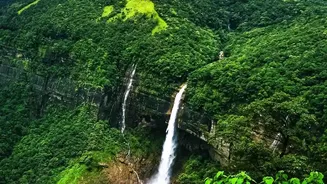
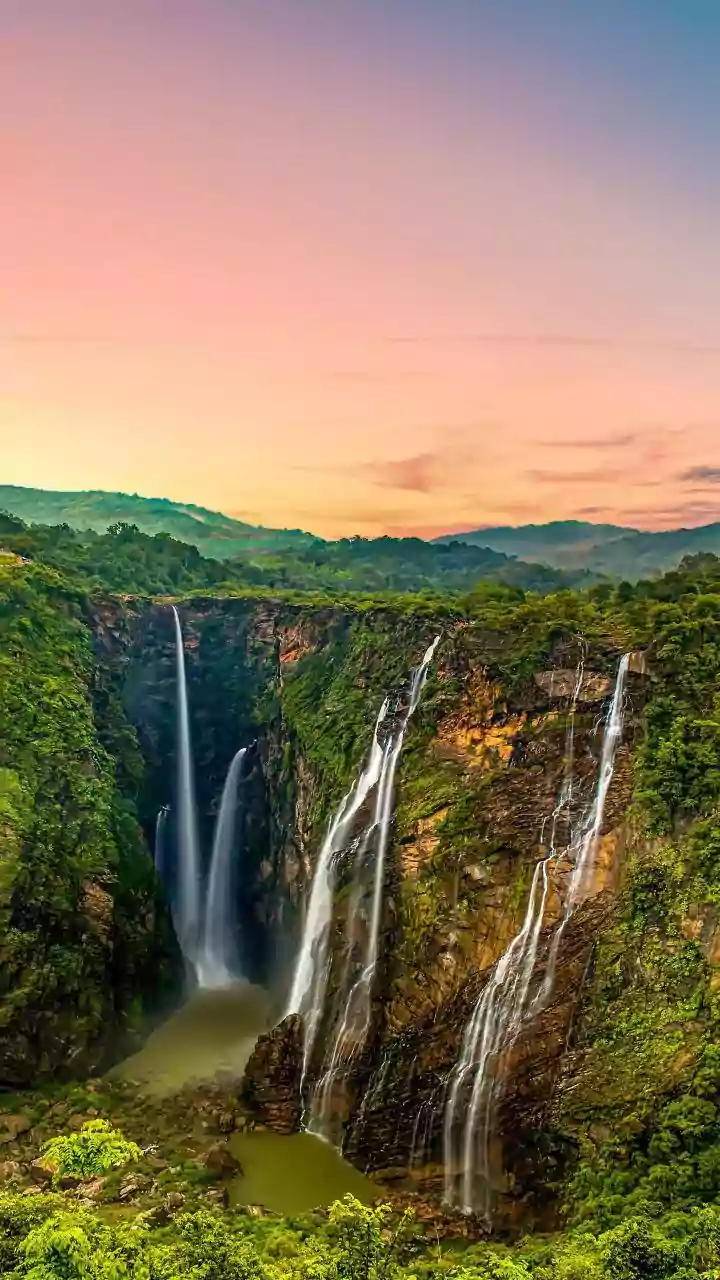
This route is a celebration of monsoon's power. Start from Satara city and head towards Thoseghar, about 20-26 km away. The journey itself is scenic, with windmills often dotting the landscape. The main attraction is the Thoseghar Waterfalls, a series
of cascades with the tallest plunging from nearly 200 meters. A well-maintained viewing platform allows you to safely soak in the magnificent sight of the falls, which are at their most powerful between July and November. On your way back, you can take a detour to the Bhambavli Vajrai Waterfall, considered the highest in the state, and the historic Sajjangad Fort for a dose of history with your nature trip. This circuit is ideal for a day trip, offering a mix of raw nature and accessible viewpoints.
The Kaas Plateau Flower Run
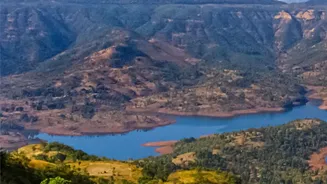
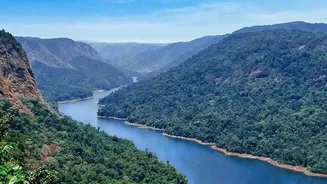
Known as Maharashtra's Valley of Flowers, the Kaas Plateau is a UNESCO World Natural Heritage Site that transforms into a carpet of wildflowers post-monsoon. While the peak bloom is typically from late September to early October, the drive to Kaas from Satara (about 25 km) is a stunning monsoon experience throughout August and September. The road offers wide-open views of lush hills and serene lakes like the Kaas Lake. During the peak season, vehicle access to the plateau itself is restricted to avoid damage, but the surrounding drives are spectacular. A great extension to this route is the road towards Bamnoli village, which runs alongside the serene Shivsagar Lake, the backwaters of the Koyna Dam. This isolated road, surrounded by dense, moss-covered forests, feels like a journey into the heart of the ghats.
The Classic Mahabaleshwar-Panchgani Loop
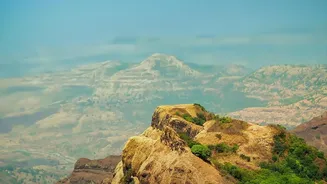
No monsoon trip to this region is complete without exploring the twin hill stations of Mahabaleshwar and Panchgani. The drive between the two is short but packed with viewpoints. Start with Panchgani's Table Land, the second-largest plateau in Asia, which offers vast, misty views. From there, drive towards Mahabaleshwar, stopping at Parsi Point and Sydney Point for panoramic vistas of the Dhom Dam and Krishna Valley. In Mahabaleshwar, the monsoon unlocks a different kind of beauty. Viewpoints like Arthur's Seat and Elephant's Head Point offer dramatic views of cloud-filled valleys. A visit to Old Mahabaleshwar to see the ancient Panchganga and Mahabaleshwar temples is also a must. The roads are often covered in fog, creating a mystical driving experience.
Exploring the Pratapgad Fort Route
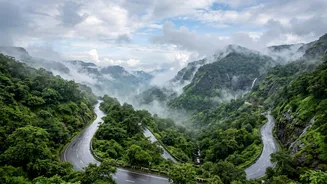
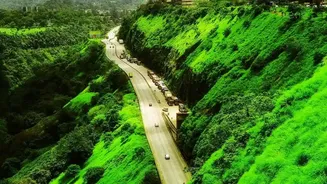
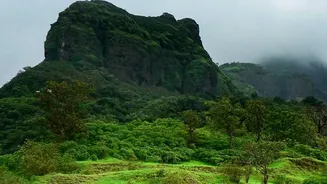
For those who love mixing history with stunning drives, the road to Pratapgad Fort from Mahabaleshwar is a treat. Located about 20 km from the hill station, the fort holds immense historical significance as the site of a legendary battle led by Chhatrapati Shivaji Maharaj. The drive takes you through dense evergreen forests, with the road winding up the hills of the Sahyadri range. During the monsoon, the fort itself is often shrouded in mist, giving it an ethereal quality. The views from the fort ramparts, looking down into the valleys, are spectacular. You can combine this trip with a visit to the nearby Ambenali Ghat, one of the longest ghat roads in Maharashtra, famous for its numerous hairpin bends and cascading roadside waterfalls during the rains.
Essential Monsoon Driving Tips
Driving in the Western Ghats during monsoon requires caution. Ensure your vehicle is in top condition, especially the tyres, brakes, and wipers. Roads can be slippery, and visibility is often low due to heavy rain and fog, so reduce your speed and maintain a safe distance from the vehicle ahead. It's wise to use low gears on steep inclines and descents to maintain control. Be wary of small streams or water crossings on roads, and avoid driving through large, waterlogged areas. Network coverage can be patchy in remote areas, so it's a good idea to download maps beforehand. Always check local weather forecasts and road conditions before you start your journey.