



The Upside of Humid Air
Many of our favourite houseplants, like ferns, Calatheas, and Philodendrons, are native to tropical regions where the air is naturally thick with moisture. For these plants, high humidity isn't just tolerable; it's beneficial. When the air is humid, plants lose
less water through their leaves via a process called transpiration. This reduces water stress, helping foliage stay vibrant and preventing those dreaded brown, crispy leaf tips. Some plants, particularly epiphytes like orchids and certain ferns, have aerial roots that can absorb moisture directly from the air, making a humid environment a significant advantage for their growth and nutrient uptake. This means that during the monsoon or in coastal areas, your tropical plants are getting a free spa treatment that helps them conserve energy and focus on producing new, healthy growth.
The Hidden Danger: When Less is More
Here’s the critical twist: when plants are losing less water to the air, they also need to draw less water from the soil. This is where many well-intentioned plant owners go wrong. Continuing with a dry-season watering schedule during a humid period is a recipe for disaster. When the soil stays consistently wet because of high humidity and reduced evaporation, it becomes waterlogged. This suffocates the roots, which need oxygen to survive and function. A lack of oxygen in the soil not only prevents the roots from absorbing nutrients but also creates the perfect anaerobic conditions for harmful fungi and bacteria to thrive, leading to the dreaded root rot.
Is My Plant Overwatered? The Telltale Signs
Overwatering and underwatering can sometimes look confusingly similar, but there are key differences. The most common sign of overwatering is yellowing leaves, especially the lower ones, that feel soft and limp rather than crisp. You might also notice the plant wilting despite the soil being wet to the touch. Other red flags include brown spots on leaves surrounded by a yellow halo, a musty or rotten smell coming from the pot, and the appearance of white mould on the soil surface or tiny pests like fungus gnats flying around the plant. In severe cases, the base of the stem may become soft and mushy, which is a clear sign that root rot has taken hold.
How to Water Smarter in High Humidity
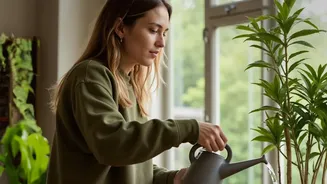
Adjusting your routine is simple once you know what to do. First, abandon your rigid watering schedule. Instead, always check the soil before you water. The easiest way is the finger test: stick your finger one to two inches into the soil. If it feels moist, wait. Only water when it feels dry at that depth. Second, improve air circulation. Stagnant, humid air is a breeding ground for fungal diseases. Simply opening a window or using a small, low-speed fan can make a huge difference by helping both the soil and foliage dry more effectively. Also, ensure your pots have proper drainage holes so excess water can escape. Finally, try to water in the morning. This gives the plant all day for excess moisture on the leaves and soil surface to evaporate before nightfall, reducing the risk of fungal growth.
Helpful Tools for Confident Watering
If you're tired of the guesswork, a couple of inexpensive tools can provide valuable peace of mind. A soil moisture meter is a fantastic device that gives you an instant reading of the moisture level at the root zone. To use it, you insert the probe deep into the soil for an accurate measurement, which tells you precisely whether the plant is ready for a drink. For those who want to get even more specific, a hygrometer measures the humidity level in the air. Knowing your room's average humidity can help you understand which of your plants are happiest and why you might need to water some less frequently than others.