






The Old Way: A Tale of Two Layovers
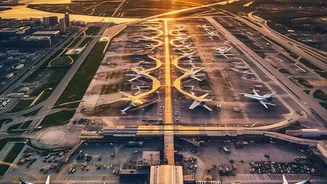
Anyone living in what the airline industry calls a "tier-2" or "secondary" market—cities like Nashville, Austin, or Cincinnati—knows the pain of long-haul travel. Getting to Southeast Asia traditionally meant a domestic flight to a mega-hub like Los Angeles
(LAX) or New York (JFK), a frantic connection, and then another 15-plus hours in the air, often with yet another stop in Tokyo, Seoul, or Dubai. This hub-and-spoke model, favored by legacy carriers, served major business centers but left millions of potential travelers in smaller cities with inconvenient, time-consuming, and expensive options. The result was that such grand trips were often a once-in-a-lifetime splurge, not a casual possibility.
The Game-Changer: New Planes, New Rules
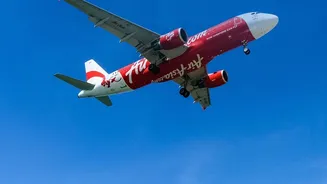
The script is being flipped by two key developments: new aircraft technology and a savvier budget airline strategy. Ultra-modern, fuel-efficient, single-aisle jets like the Airbus A321XLR are now capable of flying longer-haul routes that were once the exclusive domain of giant widebody planes. These aircraft can fly up to 11 hours, making it economically viable to connect smaller city pairs directly. Airlines no longer need to fill a 400-seat Boeing 777 to make a route work; they can profitably connect a city like Portland to a destination in Asia with a smaller, 200-seat plane. This allows them to bypass the congested, expensive mega-hubs and tap into underserved markets.
The Budget Airline Playbook
Low-cost carriers (LCCs) have perfected the art of the point-to-point route. Instead of the complex hub-and-spoke systems of legacy airlines, they focus on flying people directly from where they are to where they want to go. By using secondary airports with lower landing fees, employing highly efficient (and often non-union) staff, and maintaining fleets of a single aircraft type to reduce maintenance costs, they can operate with a much leaner budget. Their money is made not just on the ticket, but on ancillary fees for everything from baggage to seat selection. Asian carriers like Vietjet are aggressively expanding their networks, leveraging these principles to connect their home bases with new markets.
A Surge in American Wanderlust
This new supply of cheap seats is meeting a powerful wave of demand. The rise of remote and flexible work has untethered millions of Americans from the need to live in major, expensive cities. This new class of traveler has the freedom to explore for longer periods and is often seeking more authentic, off-the-beaten-path experiences. After years of pent-up demand, travelers are looking for discovery and are increasingly interested in the cultural richness and affordability of Southeast Asian destinations like Vietnam and Thailand. This trend is not just about tourism; it also serves the vital "VFR" market—Visiting Friends and Relatives—connecting diaspora communities in mid-sized American cities directly to their heritage.
Connecting the Dots
The result is a perfect storm. Budget-conscious travelers in cities once considered flyover country now have direct access to global destinations. Airlines, armed with efficient new jets, are finding profitable new routes where legacy carriers saw none. And the tourism economies of Southeast Asia are welcoming a new stream of visitors. While many of these routes are still emerging, the success of domestic LCCs like Breeze and Avelo in connecting overlooked U.S. cities has proven the model's viability. The international expansion of this strategy is the next logical step, turning what was once a pipe dream into a boarding pass.