


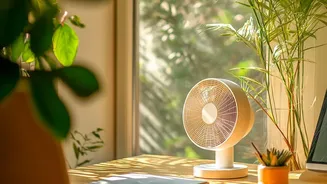

Master the Art of Ventilation
One of the most effective yet unseen tools against humidity is strategic airflow. The key is to exchange the moist, stale air inside for fresher, drier air from outside. Make it a daily habit to open windows and doors for at least 15-30 minutes, but timing
is crucial. The best times are early in the morning or later in the evening when the outdoor temperature and humidity are lower. Opening windows in the middle of a hot, humid day can let more moisture in. If the weather doesn’t permit, even just opening interior doors can help air circulate between rooms and prevent moisture from getting trapped in one area.
Use Exhaust Fans Religiously
Many of our daily activities, like cooking and showering, produce a significant amount of moisture. An exhaust fan is your first line of defence. Get into the habit of switching on the kitchen exhaust fan or chimney every time you cook, not just when frying. In the bathroom, run the exhaust fan during your shower and for about 15-20 minutes afterwards to vent all the steam outside. This simple, regular action prevents moisture from spreading throughout your home and settling on walls and furniture, where it can cause problems.
Embrace Natural Moisture Absorbers
For enclosed, damp-prone spaces like wardrobes, under-sink cabinets, and shoe racks, simple, inexpensive materials can work wonders. These are the perfect 'unseen' helpers. Place a bowl of coarse rock salt or a few charcoal briquettes in these areas. Both are excellent natural desiccants that absorb moisture from the air. Once the salt becomes slushy or the charcoal feels damp, you can simply replace it. This is a far more affordable and chemical-free alternative for managing humidity in smaller zones where airflow is limited.
Re-think Your Daily Routines
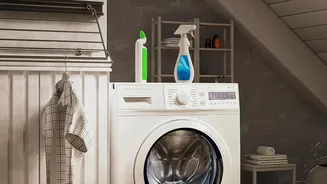
Small adjustments to your daily habits can lead to a big reduction in indoor humidity. For instance, long, hot showers generate a lot of steam. Try switching to shorter, cooler showers, which will also help you save on water and electricity bills. When cooking, keep lids on your pots and pans to contain steam. Another major contributor to indoor humidity is drying laundry. Whenever possible, dry your clothes outside. If you must dry them indoors, place them in a single, well-ventilated room and try to create as much airflow as possible.
Be a Leak Detective
A slow, persistent drip from a pipe or a small, unnoticed crack in a wall can be a constant source of moisture in your home. Make it a regular practice, especially before the monsoon, to inspect your home for any signs of water leakage. Check under sinks in the kitchen and bathrooms, look for damp patches on ceilings and walls, and examine the seals around your windows. Fixing these leaks promptly is a fundamental step that addresses the root cause of dampness rather than just managing the symptoms. Don't forget to check outdoor drainage, ensuring gutters are clean and water flows away from your foundation.
Roll Up the Rugs
Carpets and thick rugs can feel wonderful underfoot, but during the humid monsoon months, they act like giant sponges, trapping moisture and dust. This can lead to musty smells and create a breeding ground for dust mites and mould, which thrive in humid conditions above 70%. A simple, seasonal fix is to roll up your carpets and store them in a dry place until the weather changes. This not only helps control humidity but also makes daily cleaning easier and keeps your carpets in better condition for longer.