



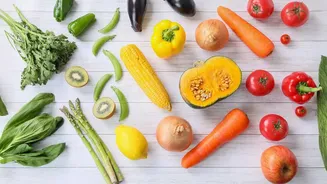

The Power of Eating Seasonally
Following the seasons, a practice known in Ayurveda as 'Ritucharya', is a cornerstone of traditional Indian wellness. During the monsoon, or 'Varsha Ritu', our digestive fire (Agni) is considered to be at its weakest, making the body more susceptible
to ailments. Eating foods that are light, warm, and easy to digest can help counteract this. Seasonal produce is not only fresher and more flavourful, but it also contains the specific nutrients our bodies need to combat the health risks associated with a particular season. For the monsoon, this means ingredients that boost immunity, fight inflammation, and support gut health.
Ginger (Adrak): The Digestive Aid
Ginger is a non-negotiable staple in Indian kitchens, and its importance doubles during the monsoon. Known for its potent anti-inflammatory and antibacterial properties, ginger is a powerful digestive aid that helps soothe the stomach and fight off common cold and flu symptoms. The active compound, gingerol, helps relax the gut and ease nausea. A warm cup of adrak chai is more than just a comforting ritual; it's a dose of preventive medicine. You can also add freshly grated ginger to soups, dals, and vegetable stir-fries to enhance flavour and support digestion.
Turmeric (Haldi): The Immunity Booster
Turmeric, with its active compound curcumin, is celebrated for its powerful immune-boosting and anti-inflammatory effects. During the rainy season, when the risk of infection is high, incorporating turmeric into your daily diet is crucial. It helps the body produce infection-fighting white blood cells and offers a strong defence against seasonal illnesses. A glass of warm turmeric milk (haldi doodh) before bed is a traditional remedy that provides comfort and strengthens the body's natural defences. Beyond milk, adding a pinch of turmeric to your everyday cooking, from dals to sabzis, is an easy way to reap its benefits.
Bitter Gourd (Karela): The Natural Purifier
While its bitter taste might not be for everyone, Karela is a monsoon powerhouse. Traditionally consumed during this season, bitter vegetables are known to support liver function and immunity. Bitter gourd is excellent for maintaining healthy blood sugar levels and is packed with Vitamin C and powerful antioxidants that help purify the blood and flush out toxins. To make it more palatable, you can stir-fry it with onions and spices or stuff it with a savoury filling. Ayurveda recommends light and easy-to-digest vegetables like bitter gourd during the monsoon.
Bottle Gourd (Lauki): The Gentle Hydrator
Known for being extremely easy to digest, bottle gourd, or lauki, is an ideal monsoon vegetable. It has a high water content, which helps in keeping the body hydrated, and is rich in both soluble and insoluble fibre, promoting good gut health. Since Ayurveda advises against raw foods during the monsoon due to a higher risk of contamination and digestive stress, cooked lauki is a perfect choice. It can be used to make simple curries, soups, or even the classic kofta. Its subtle flavour makes it a versatile ingredient for light, nourishing meals.
Indian Blackberry (Jamun): The Seasonal Superfruit
Jamun is a quintessential monsoon fruit, and for good reason. It's loaded with Vitamin C and other vital minerals that help strengthen the immune system. Its astringent properties are beneficial for digestive health, a common concern during the rains. Jamun is also known to have a low glycemic index, making it a healthy choice for managing blood sugar. Enjoy this fruit fresh as a snack, but remember to consume it in moderation. Both Ayurveda and modern nutrition recognise seasonal fruits like Jamun as vital for overall wellness.
Corn (Bhutta): The Comforting Classic
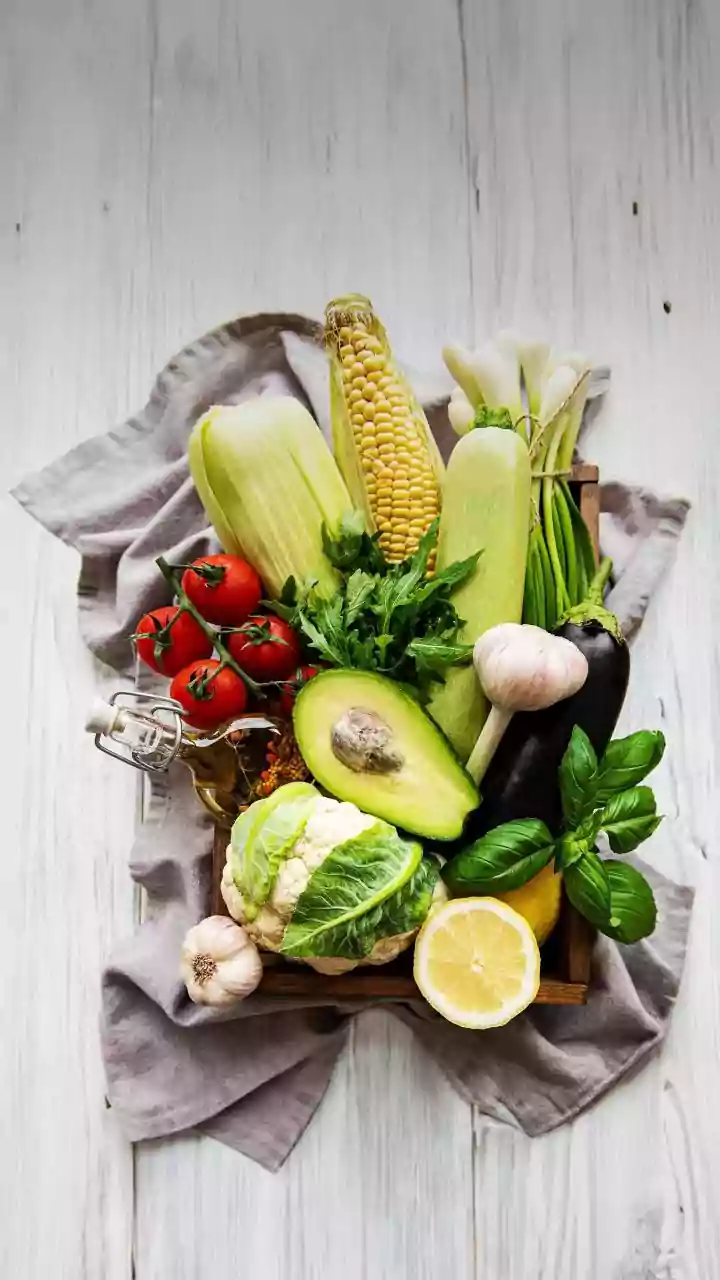
The sight and smell of roasted bhutta is synonymous with the Indian monsoon. Beyond being a beloved comfort food, corn is a good source of fibre and antioxidants. It provides sustained energy and supports digestive health. While street-side bhutta is tempting, roasting it at home is a safer option during the monsoon to avoid waterborne contaminants. You can roast it on a gas flame and rub it with lemon, salt, and chaat masala for that classic flavour. It can also be used in soups and chaats for a healthy and filling snack.