

The Post-Workout Puzzle: Protein's Role
When you exercise, you create tiny micro-tears in your muscle fibers. This is a normal and necessary part of getting stronger. The magic of recovery happens when your body repairs these tears, building the muscle back up to be more resilient. The primary
building blocks for this repair job are amino acids, which are the components of protein. Consuming protein after a workout provides your body with the essential materials it needs to heal and grow muscle tissue. Without adequate protein, recovery can be slower, and you might not get the full benefits of your training. Carbohydrates are also a key player, as they are needed to replenish the glycogen (stored energy) your muscles used during the session. Experts often recommend a combination of both for optimal recovery.
The Myth of the Incomplete Protein
For years, a common concern about vegetarian and vegan diets was the concept of “incomplete” proteins. Animal proteins from meat, eggs, and dairy are considered “complete” because they contain all nine essential amino acids our bodies can't produce on their own. Most plant-based foods, on the other hand, are considered “incomplete” because they are low in one or more of these essential amino acids. This led to the belief that vegetarians needed to meticulously combine different plant foods at every single meal to form a complete protein. However, nutrition science has since evolved. We now know that the body maintains a pool of amino acids, so as long as you eat a variety of plant-based protein sources throughout the day, your body can pull what it needs to form complete proteins on its own. You don't necessarily have to eat them in the same meal.
A Powerful Pairing: Grains and Legumes
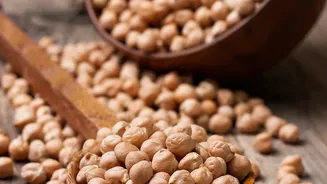
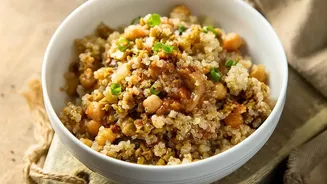
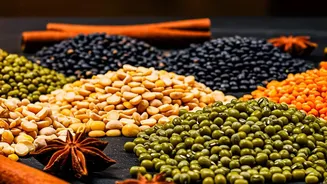
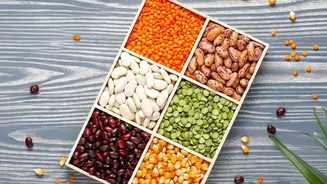
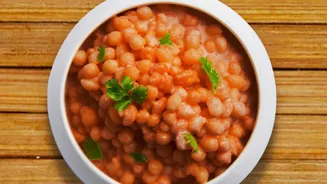
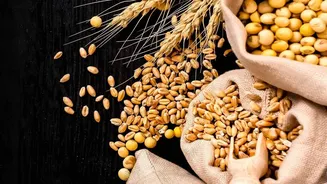
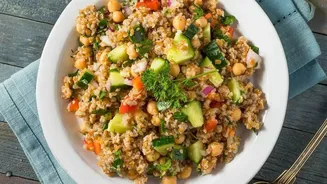
While you don't need to combine proteins at every meal, doing so in your post-workout window is a highly effective and efficient strategy. The pairing of whole grains and legumes is a classic example of protein complementation. Legumes—like lentils, beans, and chickpeas—are typically high in the essential amino acid lysine but low in methionine. Whole grains—such as brown rice, quinoa, and whole-wheat bread—are the opposite, being low in lysine but containing more methionine. When you eat them together, they create a meal with a full essential amino acid profile, providing your muscles with all the tools they need for repair. This combination also delivers a healthy dose of complex carbohydrates to restore your energy levels, making it a nearly perfect recovery meal.
Putting It on Your Plate
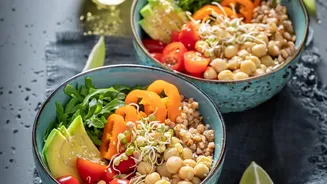
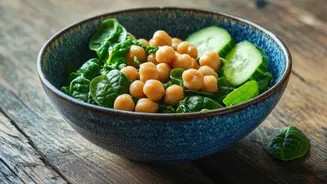
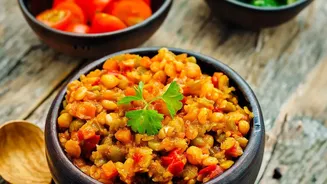
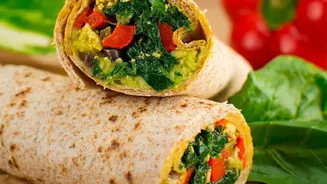
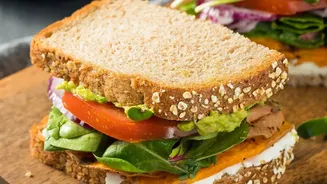
Translating this science into a meal is simple and delicious. The goal is to consume a meal rich in protein and carbs within a couple of hours after your workout to maximize the recovery benefits. Many classic dishes from around the world already follow this principle. Some practical and effective post-workout meal ideas include: A burrito bowl with brown rice, black beans, and vegetables.; Lentil soup served with a slice of whole-grain bread.; Hummus (made from chickpeas) with whole-wheat pita.; A salad topped with chickpeas and a sprinkle of seeds.; Peanut butter (a legume) on whole-grain toast.
Beyond Grains and Legumes
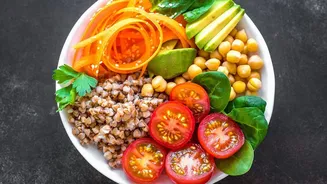
While the grain-and-legume combination is a reliable strategy, it’s not the only way for vegetarians to get high-quality post-workout protein. Several plant-based foods are considered complete proteins all on their own. These include soy products like tofu, tempeh, and edamame, as well as quinoa, buckwheat, and chia seeds. A tofu stir-fry with vegetables, a quinoa salad, or a smoothie with soy milk and chia seeds are all excellent recovery options. For lacto-ovo vegetarians, Greek yogurt and eggs are also fantastic sources of complete protein that are perfect for a post-workout meal. The key is variety and consistency; ensuring your diet is rich in different plant foods will cover all your nutritional bases.