








The Myth of the Last-Minute Booking
Gone are the days of snagging a cheap hotel room the day before a long weekend. The Indian travel landscape has shifted dramatically, with a surge in domestic tourism making popular destinations highly competitive. An increasing number of travellers are opting
for several 'micro-getaways' instead of one long annual holiday. While this trend, especially among younger Gen Z travellers, is fueled by a desire for spontaneity, the reality on the ground is different. Hotels and airlines now use sophisticated dynamic pricing models, where algorithms adjust rates in real-time based on demand. This means that waiting until the last minute for a weekend getaway often results in facing sky-high prices or, worse, no availability at all. During peak periods like festive weekends, hotel prices can surge by 16% to 40% or even more. For high-demand properties or specific room types like suites, booking well in advance is no longer a suggestion but a necessity to secure a spot without paying an exorbitant premium. While some truly last-minute deals can exist for flexible travellers during off-peak weekdays, relying on this strategy for a planned short trip is a significant gamble.
Why Weather Forecasts Are Non-Negotiable
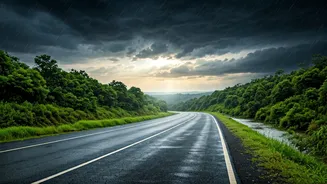
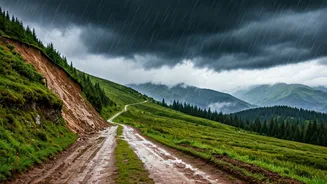
A quick glance at the sky is no longer sufficient preparation for a road trip. India's diverse and increasingly unpredictable climate makes checking detailed weather forecasts a critical step in planning. With climate change amplifying weather-related uncertainties, what used to be a reliable dry season can be interrupted by sudden downpours, and monsoons can bring challenges beyond heavy rain. For travellers heading to hilly regions like Himachal Pradesh or Uttarakhand, this is a matter of safety. A sudden landslide or snowfall can block roads for hours, turning a short trip into a logistical nightmare. Even in the plains or coastal areas, heavy rain can lead to flooded roads and significant traffic disruptions, impacting travel time and safety. India's weather forecasting capabilities have improved significantly, providing crucial information on everything from fog, which affects flights and road visibility in winter, to cyclone predictions along the coasts. Using these tools to understand the conditions for your entire route—not just the destination—helps in packing appropriately, planning activities, and ensuring your vehicle is prepared for the journey ahead. A well-timed trip, guided by forecasts, ensures better road conditions and a more comfortable and safer experience.
The Art of Patience: On the Road and at the Destination
The final, and perhaps most crucial, ingredient for a successful short trip today is patience. The same boom in domestic travel that makes advance bookings essential also leads to significant overcrowding at popular spots. Destinations like Shimla, Manali, and Goa are grappling with 'overtourism', where the sheer volume of visitors strains infrastructure and diminishes the travel experience. This translates into long traffic jams on approach roads, crowded viewpoints, and fully booked restaurants. The dream of a quiet moment at a famous landmark is often replaced by the reality of navigating a sea of fellow tourists. This is where managing expectations becomes key. Building buffer time into your travel schedule is essential to avoid the stress of running late due to unexpected traffic. Instead of a rigid, packed itinerary, a more flexible plan allows you to adapt. If a popular cafe is too crowded, having a backup option in mind can save the moment. Some local authorities are even beginning to implement measures like e-passes to manage tourist inflow during peak seasons, turning spontaneity into a planned exercise. Ultimately, patience is about accepting that the journey and the destination may have friction points and choosing to focus on the experience rather than a flawless checklist.