

The Ancient Art of Living Food
At its core, fermentation is a natural transformation. It's a process where microorganisms like beneficial bacteria and yeasts convert sugars in vegetables into lactic acid. This lactic acid is a natural preservative, creating an environment where harmful
bacteria cannot thrive, thus keeping the produce safe to eat for months without refrigeration. This method, known as lacto-fermentation, doesn't require any oil. It’s an ancient technique that not only extends the life of food but also creates new, complex flavours and enhances its nutritional profile, turning simple vegetables into a powerhouse of living food.
Moving Beyond Oil-Heavy Pickles
In India, the word 'pickle' often brings to mind a vibrant, spicy condiment swimming in oil. While delicious, these traditional oil-based pickles can be high in calories and unhealthy fats. The oil primarily acts as a barrier to seal the pickle from air and moisture. However, the fermentation process achieves this preservation naturally through the production of acid. By opting for oil-free methods, you get all the preservation power without the added fat and calories. This allows the true taste of the seasonal vegetables to shine through, complemented by the tangy, complex flavours developed during fermentation.
A Boost for Your Gut and Beyond
The primary health benefit of oil-free fermented vegetables lies in their rich concentration of probiotics. These are live, beneficial bacteria that are crucial for a healthy digestive system. A healthy gut microbiome is linked to improved digestion, a stronger immune system, and even better mental health. Fermentation also makes vegetables easier to digest by breaking down tough fibres. Furthermore, this process can preserve and even increase the levels of certain vitamins, such as B vitamins and vitamin C, and makes minerals more easily absorbed by the body. It's a way of not just preserving food, but making it more nourishing.
India’s Rich Fermentation Heritage
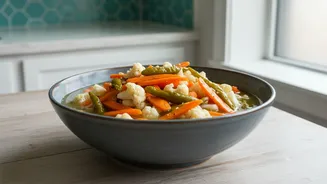
While oil-based pickles are common, India has a deep and diverse history of oil-free fermentation. A classic example is 'Gajar ki Kanji', a tangy, probiotic-rich drink made from fermenting black carrots in water with mustard seeds. Many households also prepare water-based mango pickles ('pani wala achar') or ferment vegetables like cauliflower and turnips in a simple salt brine. These traditional practices are a testament to the wisdom of our ancestors, who understood how to harness nature's processes to create foods that were both delicious and life-sustaining. These methods are simple, require minimal ingredients, and are perfectly suited for preserving the seasonal abundance of Indian produce.
Your Simple Start to Fermenting
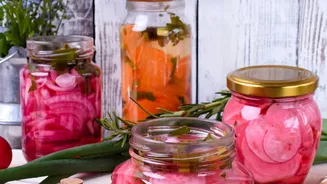
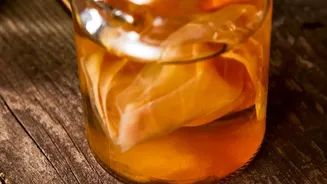
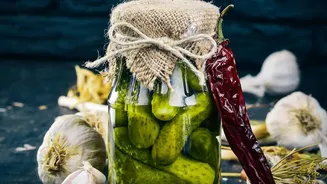
Getting started with oil-free fermentation at home is surprisingly simple. You don't need fancy equipment, just a clean glass jar, vegetables, salt, and non-chlorinated water. The basic principle involves submerging chopped vegetables in a salt-water brine within the jar, ensuring they stay below the liquid level to create an oxygen-free environment. The salt draws out water from the vegetables, creating a brine that supports the growth of beneficial lactic acid bacteria. After a few days at room temperature, you'll see bubbles—a sign that fermentation is underway. The jar is then moved to a cooler place for storage, where your delicious and healthy pickles will keep for weeks or even months.