




Your Phone is Now a Planetarium
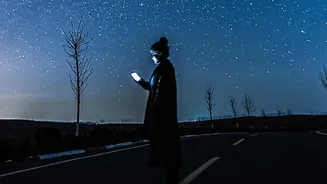
Not long ago, identifying celestial objects required star charts, a fair bit of knowledge, and a good dose of patience. Today, it requires a smartphone. Modern stargazing apps transform your phone into a dynamic, interactive map of the cosmos. They harness
your device's built-in GPS to know your location, the compass and gyroscopes to know which way you're pointing, and powerful processors to render a real-time view of the sky. Many use augmented reality (AR) to overlay information directly onto your camera's view, allowing you to hold your phone up and see stars, constellations, and planets labeled as if by magic. This technology has democratized astronomy, turning a complex hobby into an accessible wonder for anyone with a curious mind.
Finding Jupiter and Saturn in Seconds
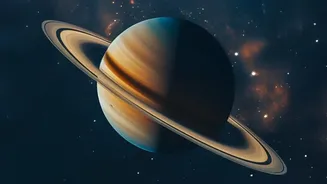
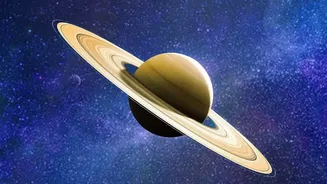
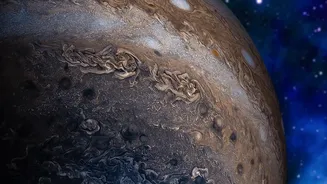
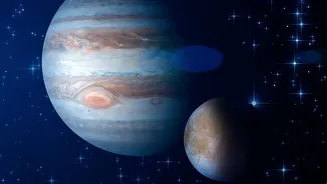
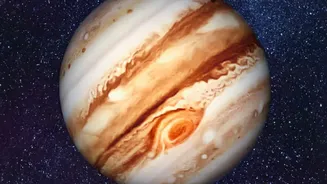
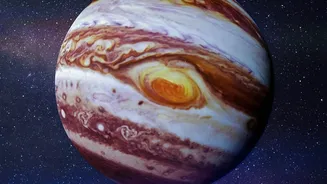
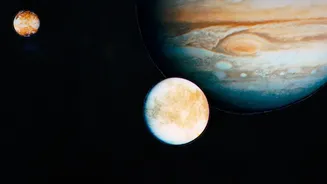
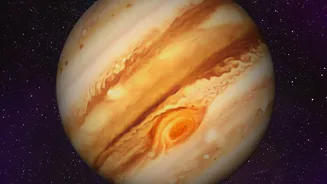
Jupiter and Saturn are two of the most rewarding objects for any aspiring skywatcher. With a basic app, finding them is astonishingly simple. Open an app like Star Walk 2, SkyView Lite, or Stellarium, and it will immediately show you their positions. In late August 2026, Saturn is a brilliant target, visible for much of the night. Jupiter can be spotted in the pre-dawn sky, rising in the east. The apps eliminate all guesswork. A search function lets you type in "Saturn," and an arrow will guide you to point your phone in the right direction. When the planet is in your screen's field of view, the app will highlight it, often providing detailed information about its moons, size, and distance. What was once a navigational challenge is now as easy as finding a coffee shop on Google Maps.
Catching the International Space Station
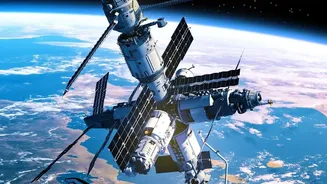
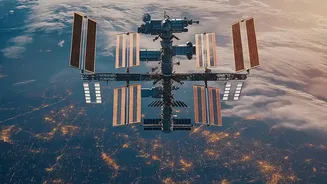
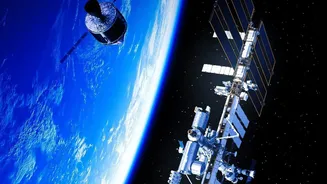
Spotting the International Space Station (ISS) is a unique thrill. It moves across the sky like a very bright, fast-moving star, completing an orbit of Earth in about 90 minutes. However, it's only visible from your location for a few minutes at a time, typically around dawn or dusk when the sun has set on the ground but still illuminates the station high above. This is where apps become indispensable. Predicting these passes requires complex calculations, but apps like NASA's official Spot The Station, ISS Detector, or Heavens-Above do the work for you. They provide a schedule of upcoming visible passes for your exact location and can even send you a notification just before one is about to begin, so you can step outside and look up at the right moment.
More Than Just Planets
While the headline attractions might be Jupiter, Saturn, and the ISS, these apps open up the entire sky. Curious about the name of that bright star? Point your phone at it. Want to trace the shape of the Big Dipper or find the Andromeda Galaxy? The apps will show you exactly where to look. They are packed with information on hundreds of thousands of celestial objects, from constellations and meteor showers to distant nebulae and galaxies. Apps like Stellarium Mobile offer vast star catalogs, while others like Star Walk 2 are praised for their beginner-friendly interfaces and beautiful graphics. They turn the night sky from a collection of random bright dots into a landscape rich with names, stories, and scientific wonder.
Choosing Your Celestial Guide
With so many options, getting started is easy. Many of the best apps are either free or have incredibly capable free versions. For beginners, SkyView Lite and Star Walk 2 are excellent choices, known for their intuitive AR interfaces and ease of use. Stellarium Mobile offers a free version that is powerful and scientifically rigorous, making it a favorite among amateur astronomers. For those specifically interested in the ISS, NASA's free Spot The Station app is a must-have. You don't need to become an expert or buy expensive equipment. The goal is simply to start exploring. Download one that looks appealing, wait for a clear night, and see what you can discover.