


Why Lahaul, Why Now?
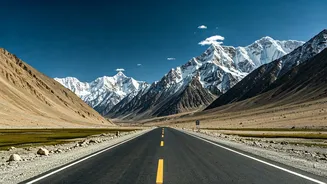
For decades, the Lahaul Valley was a land of myth for many travellers, accessible for only a few months a year via the treacherous Rohtang Pass. The game-changer? The Atal Tunnel. This engineering marvel has slashed travel time from Manali and provided
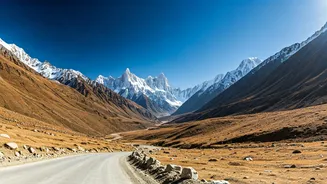
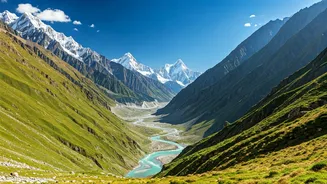
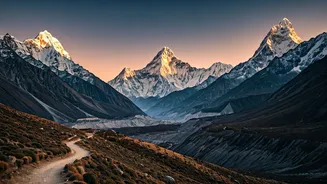
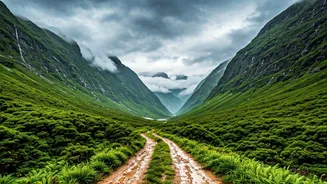
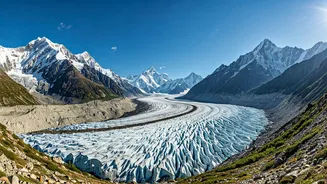
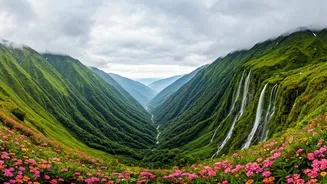
year-round access to the valley’s lower reaches, transforming a gruelling journey into a stunning scenic drive. Lahaul is no longer just a corridor on the way to Leh; it's a destination in its own right. It offers a quieter, rawer alternative to its more commercialised neighbours. Here, you'll find a world of towering peaks, turquoise rivers, ancient monasteries, and vast landscapes that feel untouched by time. The 'cool frontiers' are now open, offering a unique blend of accessibility and raw, high-altitude adventure.
The Gateway: Sissu's Spectacular Welcome
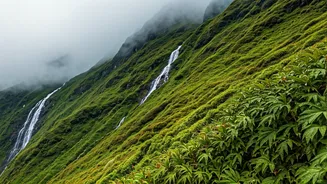
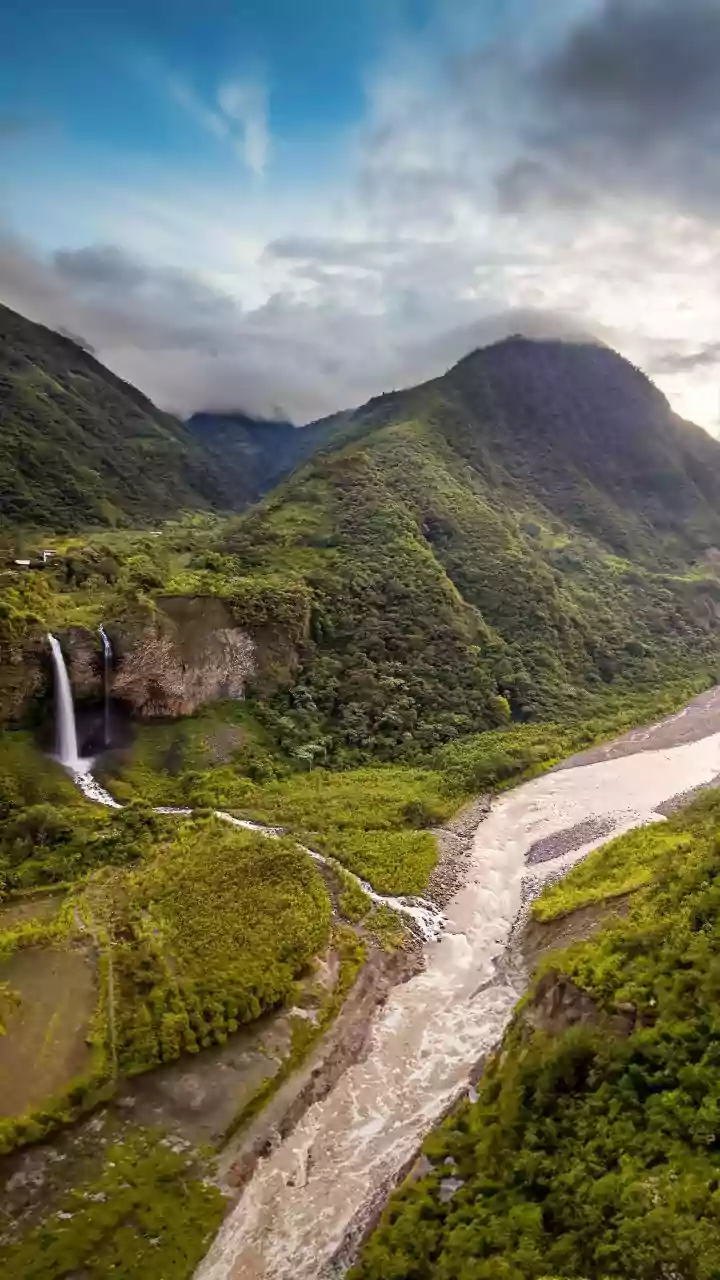
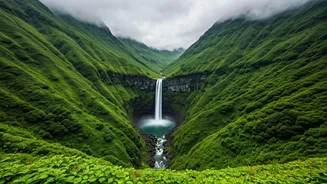
Emerging from the Atal Tunnel, your first proper introduction to Lahaul is the village of Sissu. Nestled on the banks of the Chandra River, Sissu is an experience in itself. The first thing you'll notice is the dramatic change in landscape. The lush green of the Kullu Valley gives way to the arid, powerful beauty of a cold desert. The main attraction here is the magnificent Sissu waterfall, which cascades down a cliff face directly opposite the village. A short hike brings you closer to its spray. More recently, the Sissu Lake offers boating with a stunning 360-degree view of snow-capped peaks. Sissu serves as the perfect base for your first day, allowing you to acclimatise to the altitude (around 3,100 metres) before venturing deeper into the valley.
Chasing Glacial Lakes: Chandra Tal and Suraj Tal
The phrase 'pristine glacial backdrops' finds its truest expression at Lahaul's celestial lakes. Chandra Tal, the 'Lake of the Moon', is the region's crown jewel. Reaching it requires a detour from the main highway and a final trek, but the reward is breathtaking. The crescent-shaped lake reflects the surrounding mountains in its crystal-clear water, changing colour from turquoise to emerald as the day progresses. Further up the Manali-Leh highway, near the Baralacha La pass, lies Suraj Tal, the 'Lake of the Sun God'. As one of India's highest lakes, it remains frozen for much of the year, a starkly beautiful jewel fed directly by glacial melt. These lakes are not just sights to see; they are profound experiences that define the high-altitude spirit of Lahaul.
The Heart of the Valley: Keylong and Jispa
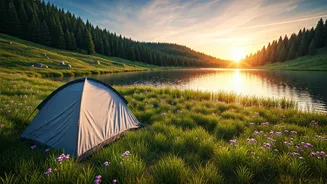
While the dramatic landscapes often steal the show, the soul of Lahaul resides in its settlements. Keylong, the district headquarters, is the largest town and a vital hub for supplies and accommodation. Perched above the Bhaga River, it offers panoramic views and is home to important monasteries like Kardang and Shashur. About 20 kilometres further lies Jispa, a tranquil village that has become a favourite overnight stop for travellers. Its riverside campsites and serene atmosphere make it the perfect place to unwind and soak in the vastness of the valley. Spending time in these towns gives you a glimpse into the resilient local culture and the slow, deliberate pace of life in the high Himalayas.
Practicalities for the High Frontier
Planning a trip to Lahaul requires foresight. The best time to visit for a full circuit, including the high passes and lakes, is from June to September. During this period, the weather is pleasant, and all roads are typically open. Altitude sickness is a real concern. Plan your itinerary to ascend gradually, stay hydrated, and avoid over-exertion for the first couple of days. Network connectivity is patchy at best; while you might get a signal in Keylong, consider this a digital detox trip. Carry sufficient cash as ATMs are few and often unreliable. Accommodation ranges from basic guesthouses and homestays to comfortable hotels in Keylong and deluxe campsites in Jispa and Sissu. Booking in advance during peak season is highly recommended.
What to Pack for Your Lahaul Adventure
Packing for Lahaul is all about layering. The sun is harsh, but the moment it disappears, the temperature plummets.
- Clothing: Thermal wear, fleece jackets, and a windproof/waterproof outer layer are non-negotiable, even in summer. Pack a mix of full-sleeve and half-sleeve shirts.
- Footwear: Sturdy, comfortable walking shoes with good grip are essential.
- Health: A basic first-aid kit with medicines for headache, stomach upset, and altitude sickness (consult a doctor first).
- Sun Protection: High-SPF sunscreen, sunglasses, and a wide-brimmed hat. The UV rays at high altitude are incredibly strong.
- Essentials: A power bank, a torch, and a reusable water bottle to stay hydrated.