





The COP31 climate summit in Antalya, Turkey, has concluded after marathon negotiations that stretched days past their deadline. But in a stunning turn, the talks ended not with a hard-won compromise, but in complete collapse over oil and gas.
A Summit Collapse, Not a Deal
For the first
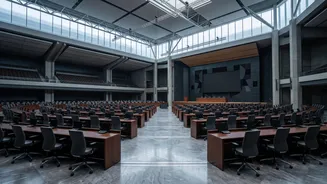
time since 2009, a UN climate summit has ended in failure, without a final overarching agreement. After running more than 40 hours overtime and becoming the longest climate conference in history, the talks broke down when countries could not bridge their differences. The proposed 'Antalya Pact', which was meant to be the summit's concluding political deal, was ultimately rejected by a coalition of nations who argued it was a dangerous step backwards. UN Secretary-General António Guterres called the outcome 'deeply disappointing', blaming the influence of powerful fossil fuel interests for obstructing progress. The failure means there is no new consensus on critical issues, including climate finance and a collective global pathway to curb emissions.
The Battle Over Three Words
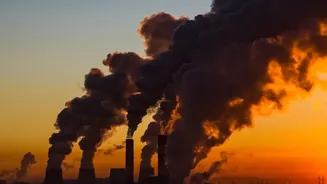
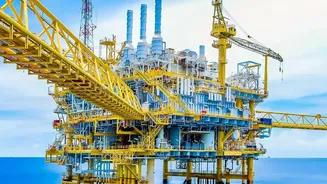
The central conflict that derailed the summit was the refusal by some nations to include language on transitioning away from fossil fuels in the final agreement. A draft text circulated late in the negotiations had stripped out any mention of oil, gas, or coal, which account for the vast majority of global emissions. This move was fiercely opposed by the European Union, the Alliance of Small Island States, and a host of other climate-vulnerable nations. They argued that any deal that failed to name the primary cause of climate change was unacceptable. On the other side, oil-producing countries, including Saudi Arabia and Russia, reportedly lobbied hard to keep any direct reference to fossil fuels out of the text, preferring to focus on unproven carbon capture technologies as a solution.
High Drama in the Final Hours
The summit's dramatic conclusion came after days of tense backroom dealings. A second-to-last draft that removed fossil fuel language was seen as a red line. The EU's climate commissioner, Wopke Hoekstra, declared that the bloc could not tolerate an agreement that was silent on the core issue, calling it 'unconscionable' before he and other European delegates walked out of the proceedings in protest. The co-presidents from Australia and Turkey were unable to find a compromise that could satisfy the deeply entrenched opposing factions, leading to the eventual impasse. Activists who had gathered in Antalya demonstrated with signs reading 'shame', capturing the frustration shared by many over the deadlock.
India's Push for Climate Justice
Throughout the negotiations, India played a central role as a voice for developing nations, forcefully bringing the issues of equity and historical responsibility to the forefront. Union Environment Minister Bhupender Yadav argued that developed countries, which have contributed the most to historical emissions, must fulfill their financial promises to help poorer nations adapt and transition. India's delegation made it clear that developing countries cannot be expected to compromise on their right to growth and poverty eradication without adequate financial and technological support. While supporting a transition, India's position has consistently been that it must be just, orderly, and equitable, cautioning against any unilateral trade measures that could penalize developing economies under the guise of climate action.
What Happens After a Failed Summit?
The collapse of COP31 leaves a significant vacuum in global climate governance. Without a consensus agreement, there are no new collective targets or timelines for crucial areas like tripling renewable energy or phasing down fossil fuels. More critically for developing nations, progress on a new target for adaptation finance was also stalled. However, the failure of the main political pact does not invalidate previous commitments like the Paris Agreement. Some smaller, specific agreements on issues like methane reduction and forest protection were adopted before the final breakdown. The fight will now move to next year's COP32 summit in Ethiopia, where negotiators will have to pick up the pieces from this historic failure.