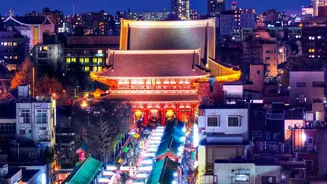

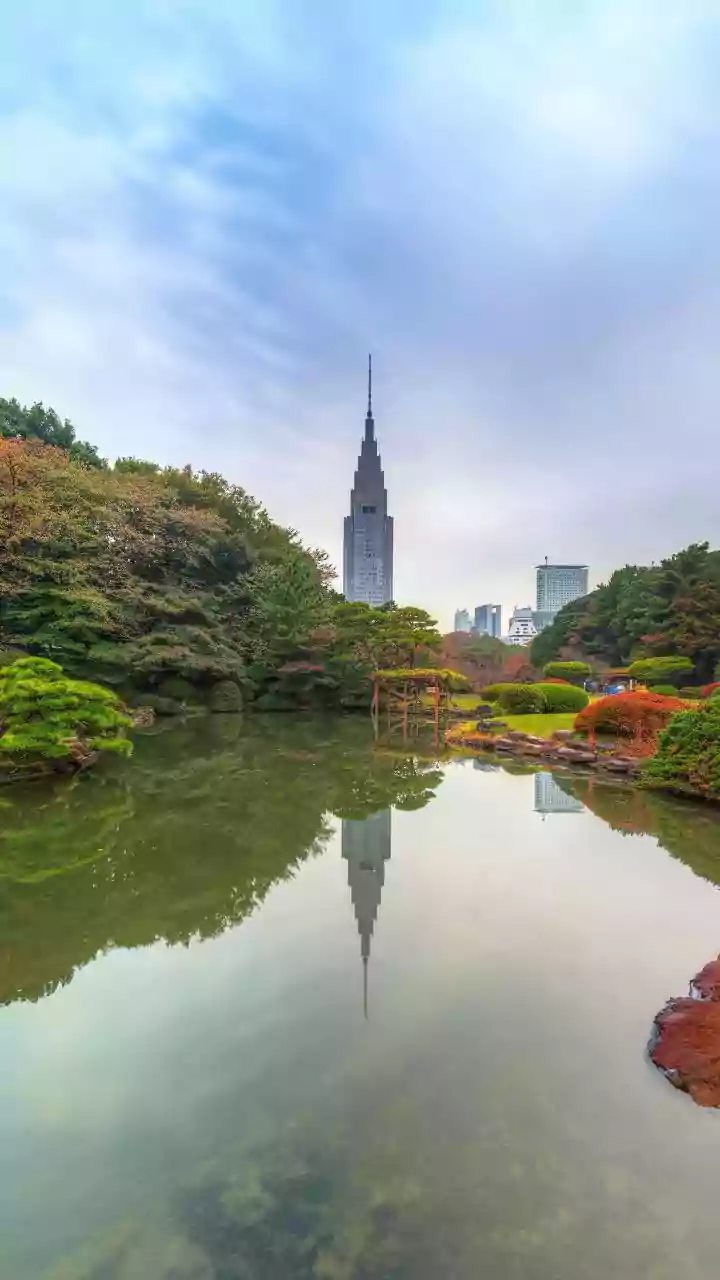

You’ve seen the photos: a lone figure in a tunnel of vermilion gates, a serene walk through a sky-high bamboo grove. But the reality of visiting Japan’s most famous landmarks is often a battle with crowds, all seeking the same perfect shot.
The Instagram vs. Reality Dilemma
For many travelers,
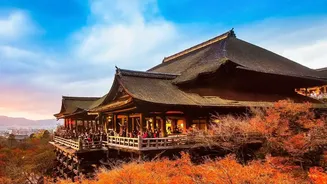
the dream of Japan is built on iconic images. The endless torii gates of Fushimi Inari Shrine in Kyoto, the ethereal Arashiyama Bamboo Grove, and the majestic wooden stage of Kiyomizu-dera temple are staples of any travel itinerary. Yet, the experience on the ground can be jarringly different. These locations, popular for their undeniable beauty, are now epicenters of 'overtourism', a phenomenon where the sheer volume of visitors diminishes the experience and strains local infrastructure. The serene, contemplative atmosphere suggested by photos is often replaced by a slow shuffle through packed pathways, where the main challenge is navigating the sea of selfie sticks. This disconnect between the tranquil image and the crowded reality is leaving many visitors wondering if they're experiencing the real Japan or just a queue for a photo opportunity.
The True Cost of a Postcard View
The impact of overtourism, or 'kanko kogai' (tourism pollution), extends far beyond a traveler's disappointment. In cities like Kyoto, residents report that public transportation has become inconveniently crowded, and the historic charm of their neighborhoods is disrupted by noise and litter. The fragile atmosphere of cultural sites also suffers. In Gion, Kyoto's famed geisha district, performers have been hassled by tourists, leading to restrictions in some areas. The strain is also felt at natural wonders like Mount Fuji, where overcrowding during climbing season has led to safety concerns and environmental degradation. The Japanese government has acknowledged these issues, allocating funds and developing strategies to mitigate congestion, manage visitor flow with technology, and promote better travel etiquette.
Beyond the Golden Route
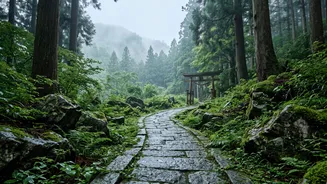
The solution isn't to stop visiting Japan, but to travel smarter. While the 'Golden Route' connecting Tokyo, Kyoto, and Osaka is popular for a reason, it represents only a fraction of what the country has to offer. The government and tourism bodies are actively encouraging visitors to explore lesser-known regions. Consider the northern region of Tohoku, a land of dramatic landscapes, well-preserved samurai towns like Kakunodate, and fantastic summer festivals. Or venture to the island of Shikoku, Japan's 'best kept secret', known for its tranquil pace of life, stunning coastline, and the famous 88-temple pilgrimage. Cities like Kanazawa, often called 'little Kyoto', offer beautiful geisha districts and one of Japan's most celebrated gardens with fewer crowds. Alternatives exist for specific landmarks too, such as Motonosumi Shrine for a torii gate experience away from the masses.
Embracing the 'Wabi-Sabi' of Travel
Perhaps the most profound shift is a mental one, embracing the Japanese philosophy of 'wabi-sabi'. This worldview finds beauty in imperfection, impermanence, and simplicity. In travel terms, it means letting go of the checklist and the hunt for the perfect, flawless photo. Wabi-sabi travel encourages a slower, more present journey, where the unexpected detours, the quiet moments in a local cafe, and the imperfect, un-staged experiences hold the most meaning. It's about appreciating the cracked ceramic bowl as much as the pristine one, the journey as much as the destination. Instead of striving to replicate an image you saw online, this approach invites you to discover your own version of Japan, one that is authentic, personal, and deeply memorable.
Practical Tips for a Quieter Journey
Even if you do visit the major landmarks, a few strategies can make a world of difference. Arrive at popular sites like Fushimi Inari or the Arashiyama Bamboo Grove at sunrise, before the tour buses descend. Consider exploring in the off-season, when both prices and crowd levels are lower. Utilize Japan's incredible public transport system, but try to avoid rush hour. Explore neighborhoods just outside the main tourist hubs; a few streets away from a packed temple can often lead you to a quiet, atmospheric local shrine. By choosing to stay in a nearby town or exploring a less-trafficked garden, you not only get a better experience but also help distribute the economic benefits of tourism more evenly. This mindful approach doesn't just reduce stress; it fosters a more respectful and sustainable connection with the places you visit.