


The Allure of the Shoulder Season
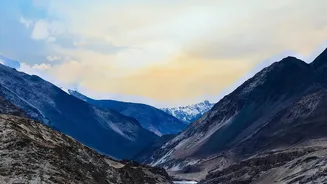
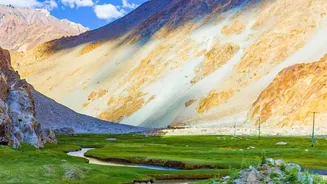
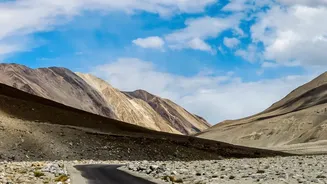
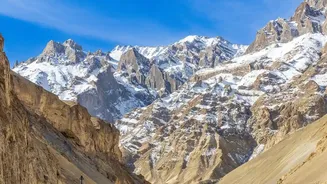
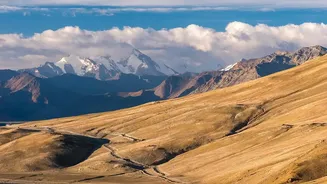
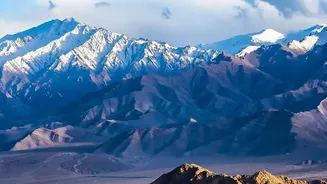
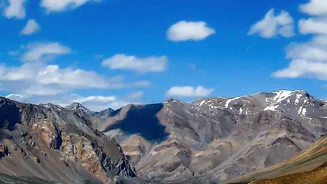
September in Ladakh is a photographer's dream. The monsoon has washed the dust from the air, leaving behind brilliant blue skies that contrast sharply with the barren, ochre mountains. Daytime temperatures are pleasant, typically ranging from 15 to 25
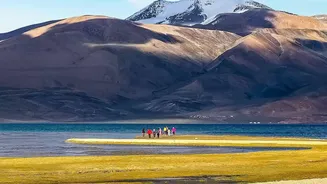
degrees Celsius, making sightseeing comfortable. With fewer tourists than in the peak months of July and August, you can experience the serene beauty of places like Pangong Tso and the Nubra Valley with a greater sense of solitude. This period also coincides with the harvest, adding a touch of green to the lower valleys and a buzz of activity in the villages. The annual Ladakh Festival, often held in September, showcases a vibrant mix of traditional music, masked dances, archery, and polo, offering a deep cultural immersion.
The Crucial Acclimatisation Window
The single most important rule for any Ladakh trip is acclimatisation, and it is non-negotiable. Leh sits at an altitude of over 11,500 feet, where oxygen levels are significantly lower. Flying directly into Leh shocks the system, and rushing your itinerary can lead to Acute Mountain Sickness (AMS), characterized by headaches, nausea, and fatigue. Local authorities mandate a strict 48-hour rest period for all travellers arriving by air. Use these first two days for complete rest and minimal activity—perhaps a gentle stroll through Leh's main market. Hydration is critical; aim to drink at least 4-5 litres of water daily and avoid alcohol. Only after this initial period should you plan excursions to higher altitudes like Khardung La pass.
Navigating by Road or Air
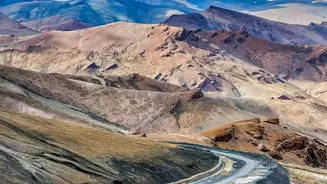
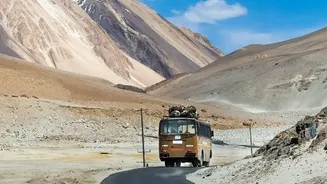
While flights operate to Leh year-round, road trips offer a more gradual acclimatisation and epic scenery. The two main arteries are the Srinagar-Leh highway and the Manali-Leh highway. By late August and September, both routes are generally clear of the monsoon-related issues that can plague travel in July. However, this is mountain country, and conditions can change rapidly. Always check the road status before you travel, as landslides or early snowfall can cause temporary closures. As September progresses, the risk of snowfall on high passes like Khardung La increases, and the Manali route typically closes for the winter before the Srinagar one. If driving, plan for buffer days to accommodate any unforeseen delays.
Packing for a Land of Extremes
Packing for Ladakh means preparing for four seasons in a single day. The strategy is simple: layering. Even in late summer, when days can be sunny and warm, mornings and evenings are cold, and temperatures can plummet below freezing at night, especially at higher altitudes like Pangong Tso. Your packing list must include thermal innerwear, fleece jackets, and a windproof outer layer. Sun protection is equally vital. The thin atmosphere at high altitude means the UV rays are incredibly strong, so a high-SPF sunscreen (SPF 50+), UV-protection sunglasses, and a wide-brimmed hat are essentials, not accessories. Comfortable, broken-in walking shoes are a must, as are a good moisturiser and lip balm to combat the extremely dry air.
Smart Itinerary and Booking
While late summer sees fewer crowds, it's still wise to book your accommodation and transport in advance, particularly if your travel dates coincide with the Ladakh Festival. As the month progresses towards October, some guesthouses and restaurants in more remote areas may begin to close for the winter. When building your itinerary, resist the urge to pack too much in. A common mistake is to move too quickly between locations. A well-paced trip that respects the need for acclimatisation will be far more enjoyable. For instance, spend a few nights in Leh before heading to Nubra Valley, then return to Leh for a night before venturing to Pangong Tso. This 'climb high, sleep low' principle is key to a safe and comfortable journey.