


A Land of Untapped Potential
Andhra Pradesh has long held a unique position in India's domestic tourism landscape. The state consistently ranks high in domestic tourist visits, primarily driven by pilgrimage centres like Tirupati, Srisailam, and Simhachalam. Millions of devotees
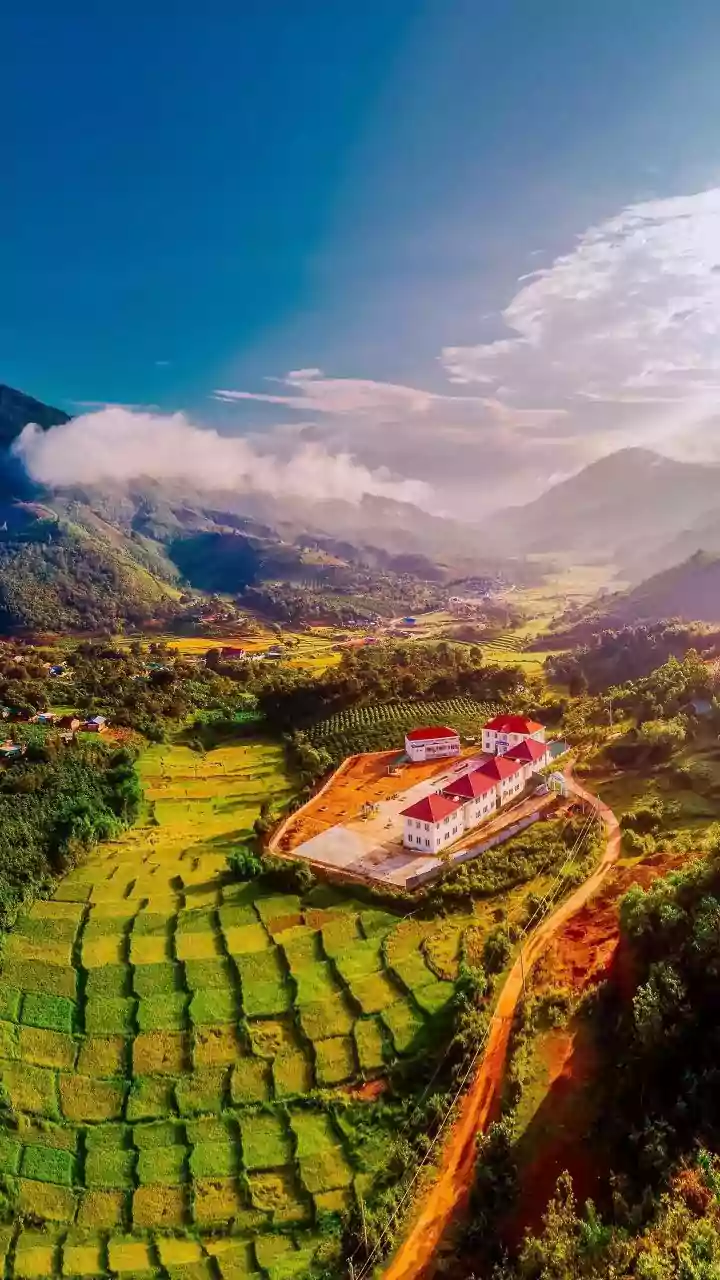
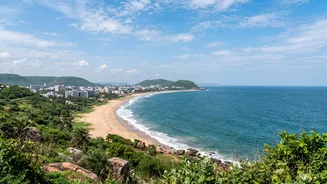
make the journey each year, forming the backbone of the state's tourism economy. However, beyond these sacred sites lies a wealth of attractions that remain largely undiscovered by the mainstream leisure traveller. The state boasts the third-longest coastline in India, featuring beaches like Rishikonda and Suryalanka. In its interior, you'll find the verdant Araku Valley, often called the Ooty of Andhra, and the breathtaking Gandikota, known as the 'Grand Canyon of India'. Despite this immense potential, the state has struggled to attract a significant share of international tourists or even domestic holidaymakers looking for a multi-day leisure trip.
The Connectivity Bottleneck
For years, a key challenge has been logistics. While major cities like Visakhapatnam and Vijayawada were accessible, reaching the more remote and scenic destinations often involved long and arduous journeys. Poor last-mile connectivity to beaches, interior valleys, and heritage sites made it difficult to create integrated tourist circuits that could encourage longer stays. Tourists would often visit a temple and leave the same day, without exploring the surrounding region. This not only limited the tourism economy but also created a perception of Andhra as a destination for single-purpose travel rather than a holistic holiday experience. International connectivity has also been a significant hurdle, limiting the state's visibility on the global tourism map.
A New Era of Airports and Highways
Recognising this, the Andhra Pradesh government is undertaking an ambitious infrastructure overhaul. Aviation is at the forefront of this strategy. The newly inaugurated Alluri Sitarama Raju International Airport at Bhogapuram, near Visakhapatnam, is a game-changer. This greenfield airport is designed to handle millions of passengers annually and can accommodate wide-body aircraft for long-haul international flights. But the plan doesn't stop there. The state has announced its intention to develop up to nine new airports in locations like Srikakulam, Dagadarthi, and Kuppam, as part of its Aviation Policy 2026-31. The goal is to ensure no citizen is more than 150 km from an operational airport, drastically improving regional access. This air network is being complemented by significant upgrades to road infrastructure, creating smoother and faster transit between cities, pilgrimage sites, and coastal areas.
Connecting the Dots for Tourists
So, what does this mean for the average traveller? It means a trip to the Araku Valley might no longer require a long, winding drive after landing in Visakhapatnam. A weekend getaway to the beaches of Suryalanka could become a much more feasible option for people from other states. The new Bhogapuram airport is strategically located to serve the entire North Andhra region, making it easier to access Visakhapatnam, Vizianagaram, and Srikakulam. The government is also promoting concepts like heli-tourism and seaplanes to connect coastal hubs with interior destinations like the Borra Caves, turning what was once a full-day commitment into a quick and scenic journey. This new network is designed to stitch together the state's diverse attractions—beaches, temples, eco-tourism spots, and heritage sites—into cohesive and attractive tourist circuits.
Is Connectivity the Magic Bullet?
While enhanced connectivity is a critical first step, experts and officials agree it's not a silver bullet. The government's new tourism policy acknowledges this by coupling infrastructure development with other key initiatives. Granting 'industry status' to the tourism sector is aimed at attracting private investment for building hotels, resorts, and amusement parks. Major hotel chains are already planning projects that will add thousands of new rooms across the state. Furthermore, there is a push to improve amenities at tourist sites, develop new destinations, and ensure tourist safety with dedicated policies. The state is also working on a stronger branding and marketing strategy to move beyond its image as just a pilgrimage destination and showcase its offerings for leisure, adventure, and eco-tourism.