



The modern wellness world is buzzing with Ayurveda, but this is no fleeting trend. It is a revival of ancient wisdom, once reserved for royal courts, that views beauty as a reflection of inner harmony and has been practiced for millennia.
More Than Skin Deep
Ayurveda, a holistic
healing system originating in India over 5,000 years ago, approaches beauty from the inside out. It teaches that true radiance isn't about covering imperfections, but about achieving a balance between mind, body, and spirit. According to this ancient science, our skin is a mirror of our internal health. This philosophy is built on three pillars: Roopam (outer beauty), Gunam (inner beauty), and Vayastyag (lasting beauty). Together, they champion a lifestyle where beauty is a result of good health, a calm mind, and graceful ageing. The core idea is that through nourishing foods, restful sleep, and mindful living, we build 'Ojas'—the subtle essence of vitality that manifests as glowing skin and a vibrant presence.
Rituals of the Royal Courts
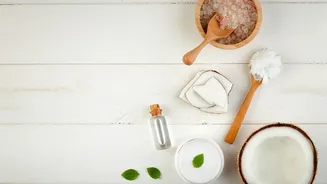
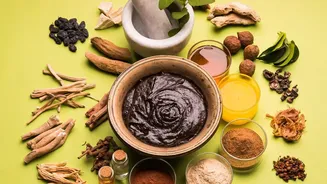
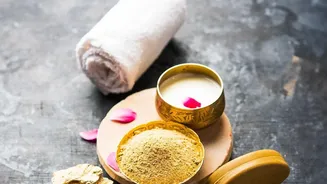
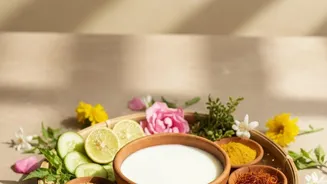
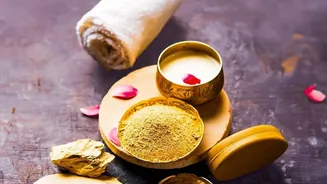
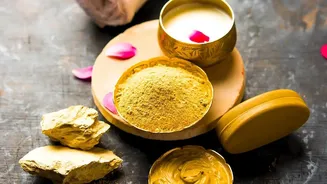
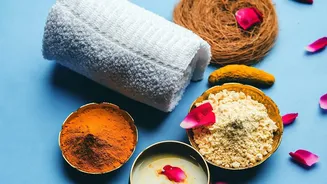
The association between Ayurveda and royalty is steeped in history. From the Mughals to the queens of Travancore, royal women used elaborate beauty rituals formulated with precious botanicals. These weren't just vanity projects; they were sophisticated systems designed to cool, protect, and illuminate the skin according to the climate. Mughal empress Nur Jahan was famed for her luxurious baths with rose petals, a practice that led to the discovery of rose oil. In Rajasthan, queens used saffron-infused milk and cooling sandalwood paste to combat the dry desert heat. A cornerstone of these traditions was 'Ubtan', a purifying paste made of ingredients like turmeric, sandalwood, and gram flour, which was, and still is, a key pre-wedding ritual. For hair, the practice of 'Abhyanga', or warm oil massage with nourishing ingredients like amla, bhringraj, and coconut oil, was a cherished ritual for strengthening hair from root to tip.
Ancient Ingredients in the Modern World
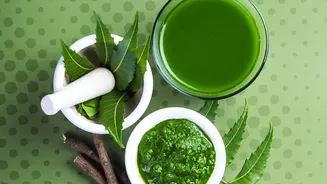
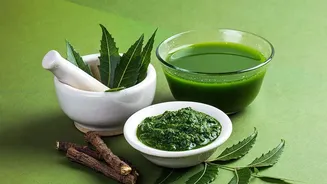
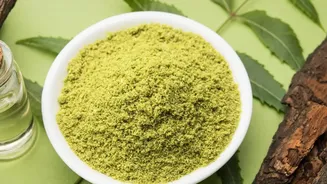
Many of the ingredients prized by Indian royalty are now celebrated in modern skincare for their proven benefits. Saffron, once called 'red gold' and used by queens for a flawless glow, is now a sought-after ingredient in serums for its ability to brighten skin and reduce pigmentation. Turmeric (Haldi), a staple in royal 'ubtan' recipes and revered for its anti-inflammatory properties, is now formulated into cleansers and masks to calm irritation and fight acne. Sandalwood (Chandan) remains a go-to for its cooling and soothing effects, just as it was used for centuries to calm sun-stressed skin. Other timeless ingredients like Amla (Indian Gooseberry), Neem, and Multani Mitti (Fuller's Earth) continue to be staples, valued for everything from hair strengthening to deep cleansing.
From Palace to Your Shelf
The resurgence of interest in these ancient practices has fuelled a new wave of Ayurvedic beauty brands. Companies like Kama Ayurveda, Forest Essentials, and The Ayurveda Co. are blending classical formulations with modern science and elegant packaging. They are making these once-exclusive royal rituals accessible to everyone. The philosophy remains the same: use pure, natural, and seasonal ingredients. These brands often build their hero products around traditional recipes like 'Kumkumadi Tailam', a facial oil celebrated in ancient texts for its rejuvenating properties. By focusing on holistic wellness and time-tested ingredients, these brands offer an alternative to synthetic, quick-fix solutions, tapping into a collective desire for more mindful and sustainable self-care routines.