

A Nationwide Shift in Snacking
The change isn't just happening in a few health-conscious households; it's a nationwide trend. The Indian healthy snacks market is growing significantly faster than the global average, projected to expand at a compound annual growth rate (CAGR) of nearly
10%. This boom is fuelled by a perfect storm of factors: rising disposable incomes, a post-pandemic surge in wellness awareness, and hectic urban lifestyles demanding convenient yet nutritious options. Today's consumers, particularly Gen Z, are more label-conscious than ever. They are actively seeking out products with clean labels, natural ingredients, and functional benefits like high protein and immunity support. This has forced brands, both legacy players and a wave of new direct-to-consumer (D2C) startups, to innovate.
The Rise and Rise of Makhana
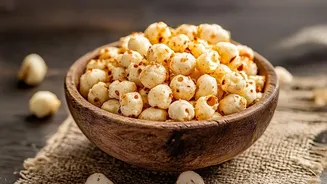
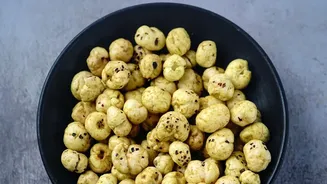
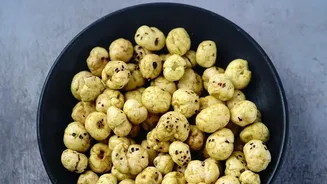
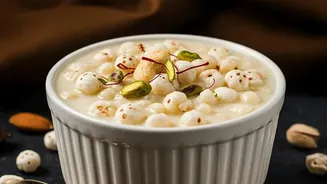
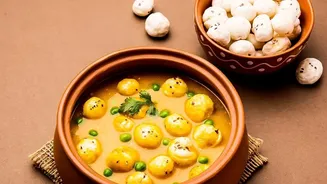
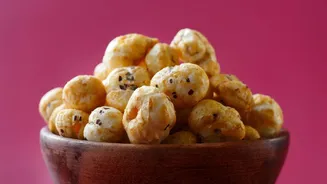
Nowhere is this shift more evident than in the meteoric rise of makhana, or fox nuts. Traditionally a humble food consumed during fasts, makhana has been reborn as a mainstream superfood. Once sold largely in unorganised markets, branded and flavoured makhana is now a fixture on supermarket shelves and quick-commerce apps. Valued for being low in calories, rich in protein, and naturally gluten-free, these roasted seeds have captured a significant 19% share of the health snack market. Available in flavours ranging from classic salt and pepper to peri-peri and pudina, makhana satisfies cravings for a crunchy, savoury snack without the associated guilt of deep-fried alternatives. The transformation has been so complete that the domestic market is projected to reach up to ₹12,000 crore by 2030.
The Millet and Ancient Grain Comeback
It’s not just makhana. Ancient grains, especially millets like jowar, bajra, and ragi, are making a major comeback. Supported by government initiatives and their inherent nutritional benefits, these grains are no longer confined to traditional porridges and rotis. They are now the star ingredients in a new range of snacks, including baked chips, extruded puffs, and crunchy crackers. These millet-based snacks offer a nutrient-dense alternative to those made with refined flour, providing higher fibre and protein content. Brands are finding creative ways to incorporate these grains into familiar formats, ensuring that consumers don't have to choose between health and the satisfying crunch they love.
Baked, Not Fried: A New Mantra
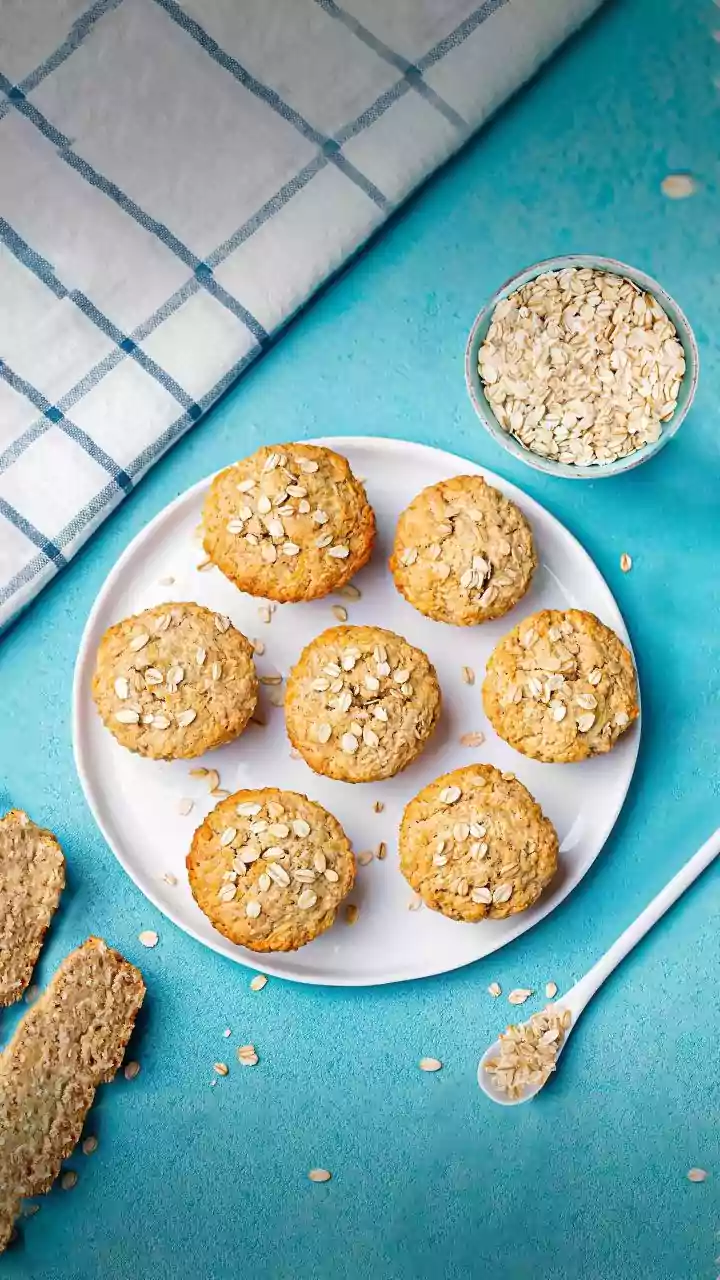
The very method of cooking snacks is being re-evaluated. The 'baked, not fried' mantra has become a powerful marketing tool and a genuine product differentiator. Consumers are increasingly aware that baking significantly reduces the oil and fat content compared to deep-frying, resulting in a lighter, less calorie-dense snack. This has led to the launch of baked versions of almost every traditional favourite, from samosas and chaklis to potato chips and namkeen mixtures. While the initial setup for baked snack manufacturing can be more complex, the growing demand for 'low-fat' and 'guilt-free' options has made it a worthwhile investment for many companies aiming to capture the health-conscious snacker.
Beyond the Savoury: Plant-Powered Bites
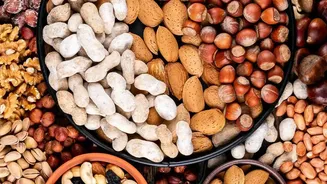
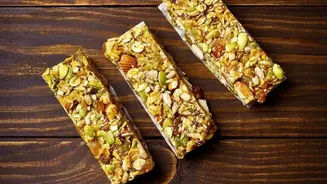
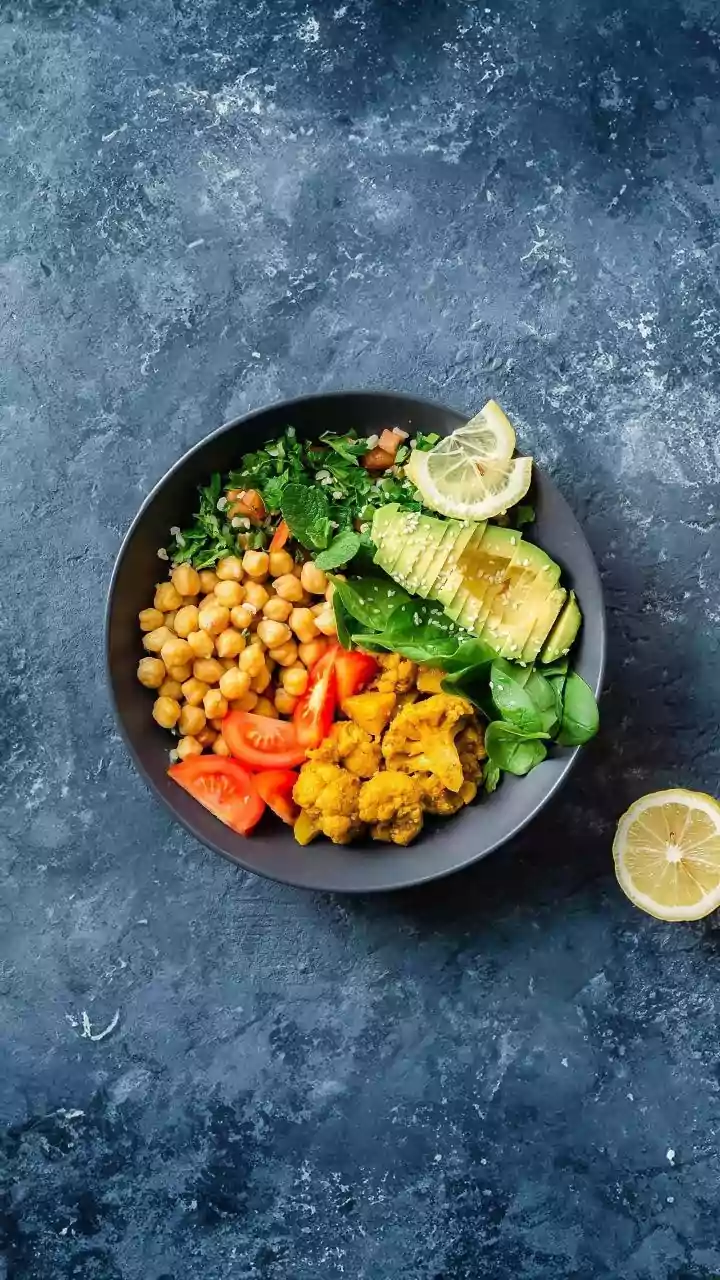
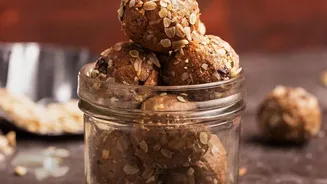
The healthy makeover extends to the entire snack basket. Roasted legumes like chickpeas (chana), lentils, and various seeds are being packaged as high-protein, high-fibre alternatives to fried mixtures. D2C brands have been particularly successful in this space, creating compelling products out of simple, natural ingredients. On the sweeter side, traditional sugar-laden biscuits are facing competition from energy bars and laddoos made with dates, nuts, and seeds, which offer natural sweetness without added sugar. This holistic approach ensures that every snacking occasion, whether savoury or sweet, now has a healthier, more mindful option available.