






A Shift from Over-Tourism to Authentic Experiences
For decades, Indian tourism often meant ticking off a checklist of famous forts, palaces, and beaches. This concentration of visitors led to immense pressure on a few key destinations, causing overcrowding, strained infrastructure, and inflated prices.
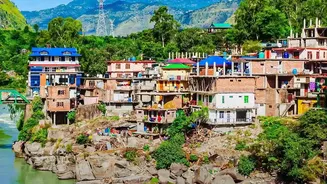
But a significant change is underway. Spurred by a desire for unique stories and genuine cultural immersion, both domestic and international tourists are venturing off the beaten path. They are trading crowded cities for the serene landscapes of the Himalayan foothills, the quiet backwaters of Kerala, and the vibrant tribal villages of the Northeast. This isn't just about escaping the crowds; it's about finding a connection to the place and its people. Social media has played a huge role, with travellers sharing stunning images of undiscovered locales, inspiring others to explore beyond the conventional tourist circuit.
The Homestay and Agritourism Boom
At the heart of this economic transformation is the rise of homestays. Unlike large hotel chains where profits are often funnelled out of the community, homestays put money directly into the hands of local families. This model has been particularly empowering for women, who often manage the hospitality, cooking, and guest experiences, gaining financial independence and a stronger voice in their communities. In states like Sikkim, Uttarakhand, and Himachal Pradesh, government policies promoting homestays have created a robust ecosystem. Similarly, agritourism is gaining traction, with farms and plantations opening their doors to visitors. Tourists get to experience rural life firsthand—from plucking tea leaves in Assam to learning about spice cultivation in Karnataka—while farmers gain a vital secondary income stream that buffers them against agricultural uncertainties.
Breathing New Life into Local Economies
The economic benefits extend far beyond the host families. As a destination gains popularity, a whole new micro-economy springs up around it. Local residents find employment as guides, drivers, and craftspeople. Small shops and cafes open to cater to the influx of visitors. This ripple effect creates a diversified local economy that is less reliant on a single industry, such as agriculture. For example, in villages that have become hubs for trekking or adventure sports, the demand for gear, guides, and support staff has created numerous jobs for young people who might otherwise have had to migrate to cities for work. This helps in curbing distress migration and keeps communities intact.
Preserving Culture, Not Just Consuming It
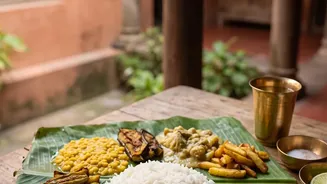
One of the most significant, though less tangible, benefits is the revival and preservation of local culture. When travellers show a genuine interest in traditional arts, music, and cuisine, it instils a sense of pride in the community. Young people, seeing that their heritage has economic value, are more likely to learn and carry forward these traditions. Many homestays and community-led tourism initiatives actively incorporate cultural exchange, offering workshops in local crafts, cooking classes, or performances of folk arts. This form of tourism fosters a respectful interaction where culture is celebrated and sustained, rather than being turned into a commercialised commodity. The result is a more enriching experience for the traveller and a more empowered community for the host.
The Path to Sustainable Growth
However, this boom is not without its challenges. The very charm that draws visitors to these small towns—their peace, pristine nature, and untouched culture—can be threatened by unplanned and rapid development. The risk of 'death by tourism', where a destination becomes a victim of its own success, is real. The key lies in sustainable and responsible tourism practices. This involves local communities having control over the development narrative, implementing effective waste management systems, capping the number of visitors to prevent strain on resources, and ensuring that the natural environment is protected. Several state governments and non-profit organisations are now working with village councils to create frameworks for sustainable growth, ensuring that tourism remains a blessing, not a curse.