




From Sightseeing to Experience Seeking
The era of checklist tourism—rushing through five cities in seven days just to see the main monuments—is fading. Today’s Indian traveller, often more experienced and globally aware, is looking for something deeper. A recent Skyscanner survey found that
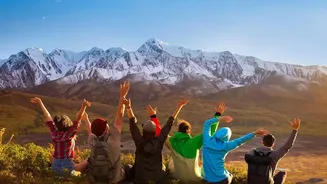
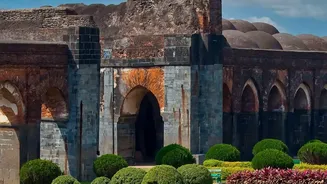
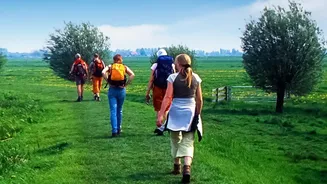
67% of Indian travellers now plan trips around cultural experiences like festivals, local cuisine, and heritage traditions, rather than just sightseeing. This reflects a fundamental change from merely seeing a place to truly experiencing it. The goal is no longer just a photo in front of a landmark, but a memory of a cooking class, a hike through an untouched valley, or a conversation with a local artisan. This shift is driven by a desire for authenticity and a stronger emotional connection to the places they visit.
The Search for the Undiscovered
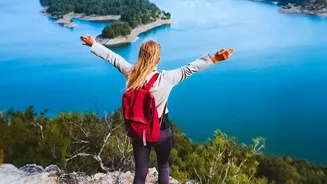
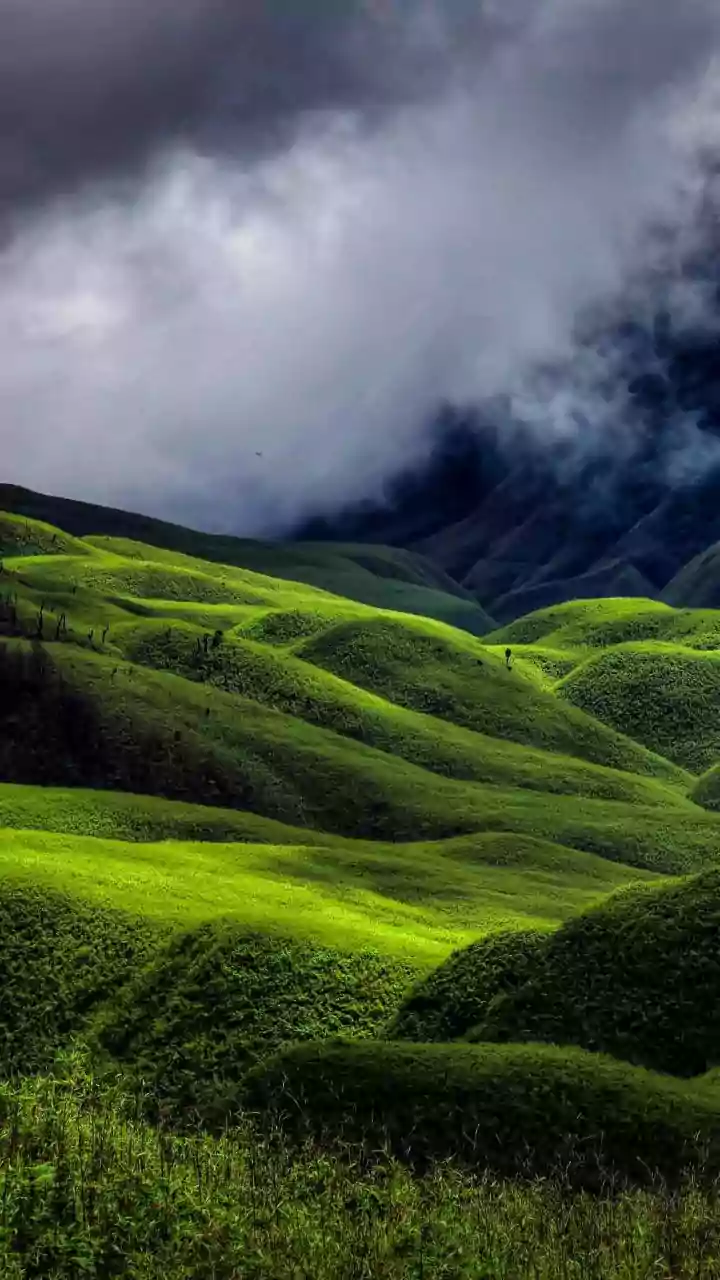
Social media once fuelled trips to the most famous photo spots, but now it's having the opposite effect. As popular destinations become overcrowded and expensive, travellers are searching for places that feel more exclusive and undiscovered. The new status symbol isn't a picture at the Eiffel Tower, but a stunning shot from a remote valley in Kyrgyzstan or a quiet beach in Albania. This has led to a growing interest in destinations that offer breathtaking landscapes without the crowds. People want the bragging rights that come with visiting a place their friends and family have never heard of, creating a travel story that is uniquely their own.
New Horizons Fueled by Easier Access
A major catalyst for this trend is improved accessibility. An increasing number of countries are offering visa-free or simplified visa-on-arrival processes for Indian passport holders. This has dramatically lowered the barrier to entry for destinations in Eastern Europe, Central Asia, and parts of Africa. Countries like Georgia, Kazakhstan, and Uzbekistan are becoming popular for their unique blend of history, culture, and affordability, feeling European without the associated costs. As airlines continue to expand routes from Tier-2 and Tier-3 Indian cities, these once-distant locations are now just a flight away, making spontaneous and shorter international breaks more feasible.
Destinations on the Rise
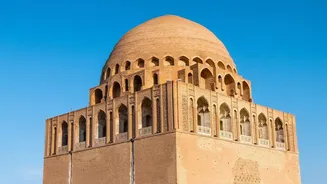
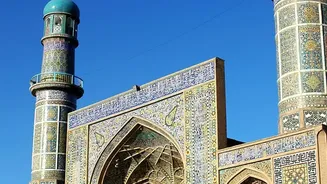
So, where are these adventurous travellers headed? The list is diverse. In Europe, instead of just London and Paris, countries like Albania and Georgia are gaining traction for their stunning coastlines, mountain scenery, and rich history. In Central Asia, the ancient Silk Road cities of Uzbekistan and the natural beauty of Kyrgyzstan offer a completely different kind of adventure. Even within traditionally popular countries, the focus is shifting. Travellers might skip Rome for the Italian countryside, or trade the bustle of Bangkok for the tranquil hills of northern Thailand. It's a move toward what the travel industry calls 'second-city' or regional tourism, exploring beyond the capital to find the country's hidden gems.
The Growing Appetite for Adventure and Wellness
This trend is not just about location; it's also about activities. The Indian outbound tourism market, projected to grow significantly, is seeing a surge in demand for experiential travel. This includes everything from adventure sports like skydiving to wellness-focused trips. Yoga and meditation retreats in places like Bali or Sri Lanka’s hill country are increasingly popular as travellers prioritize mental well-being and a break from busy urban lives. The modern Indian tourist is actively building itineraries around hobbies and passions, whether it's attending a music festival, taking a scenic train journey, or going on a wildlife safari, proving that the vacation itself has become an enriching experience, not just a simple break.