





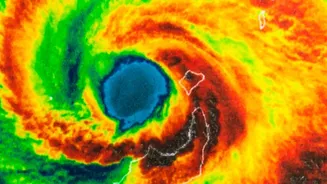


What Exactly Is El Niño?
El Niño is a naturally occurring climate pattern, not a storm. It's characterized by the unusual warming of sea surface temperatures in the central and eastern equatorial Pacific Ocean. Think of it as a massive patch of warm water that disrupts the planet's
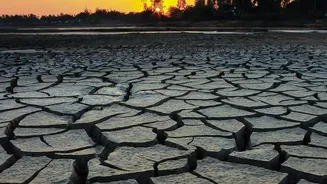
atmospheric circulation. This disruption changes wind and rainfall patterns globally, often causing droughts in some regions and floods in others. For India, this typically means a weaker southwest monsoon, the season that delivers about 70-75% of the country's annual rainfall.
The Monsoon Connection
Normally, strong trade winds push warm surface water in the Pacific towards Asia, helping to pull moisture-laden air towards India and fueling the monsoon. During an El Niño year, these winds weaken. The warm water sloshes back towards the east, and the engine that drives moisture towards the subcontinent loses power. This generally suppresses monsoon rainfall. However, the relationship isn't always straightforward. Not every El Niño year results in a severe drought. Other climate factors, like the Indian Ocean Dipole (IOD)—a temperature variation in the Indian Ocean—can sometimes counteract El Niño's drying effect by pushing more moisture towards India. But when El Niño is strong and other factors don't help, the risk of deficient rainfall rises significantly.
The Urban Water Squeeze
For city dwellers, the most direct impact of a weak monsoon is on water supply. India's cities are deeply dependent on seasonal rainfall to fill the reservoirs that provide drinking water. A deficient monsoon means lower reservoir levels, forcing municipal bodies to impose water cuts and ration supplies. This leads to an increased reliance on expensive private water tankers, hitting household budgets hard. Rapid and often unplanned urbanization has already strained urban water resources by paving over natural recharge zones like lakes and wetlands. A weak monsoon on top of this existing stress can quickly escalate into a full-blown water crisis for millions.
More Heat, Less Relief
A delayed or weak monsoon also means prolonged and more intense summer heat. The cooling relief of the rains arrives late, if at all. This is especially dangerous in cities, which already suffer from the 'urban heat island' effect. Concrete, asphalt, and dense buildings absorb and retain more heat than natural landscapes, making cities significantly warmer than surrounding rural areas, especially at night. During a weak monsoon, this effect is amplified. The lack of rain and cloud cover allows temperatures to soar, increasing the risk of heatstroke and other heat-related illnesses, particularly for the most vulnerable. This also drives up energy consumption as the demand for air conditioning strains the power grid.
Ripple Effects on Your Wallet
The impact of a poor monsoon quickly ripples from the farm to the city marketplace. A significant portion of India's agriculture is rain-fed, and a weak monsoon can devastate crop yields, particularly for staples like rice. Lower agricultural output leads to food shortages and drives up prices, contributing to inflation that affects every household. Beyond food, a deficient monsoon can also impact electricity generation from hydropower, potentially leading to power shortages. Historically, strong El Niño events have been linked to significant economic damage, hitting rural incomes and reducing overall demand in the economy.