
From Utility to Experience
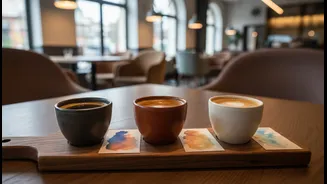
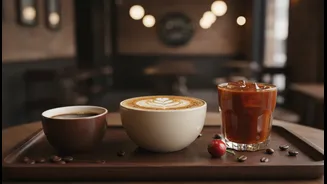
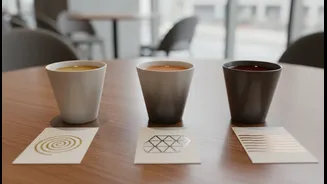
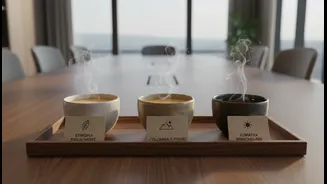
Let’s be honest: most business coffee is about function, not flavour. It’s a caffeine delivery system, a social lubricant served in a generic ceramic mug. A single-origin custom roast flight, however, is something entirely different. It’s a curated tasting
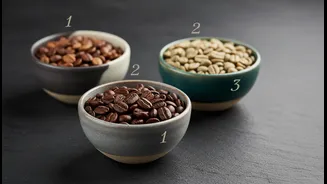
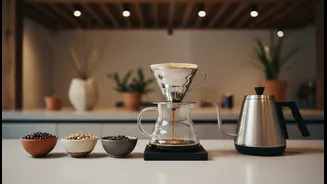
of three or four distinct coffees, each sourced from a specific geographic location. Unlike blends, which are mixed for consistency, single-origin beans are chosen to showcase the unique character of their environment—a concept called terroir. One coffee might have bright, citrusy notes from the high altitudes of Ethiopia, while another offers the rich, chocolatey profile of a Guatemalan bean. A flight presents these coffees side-by-side, turning a simple beverage into an interactive exploration.
The Psychology of Sensory Engagement
The real power of this approach lies in psychology. Our brains are wired to remember unique sensory inputs. A standard meeting might fade from memory, but an engaging experience that involves taste and smell creates much stronger emotional connections and enhances memory retention. When you share a novel experience with a client, you’re not just discussing business; you’re creating a shared memory. This is the foundation of the Peak-End Rule, a psychological principle stating that people remember an experience based on its most intense point (the peak) and its end. A fascinating coffee tasting can serve as that memorable peak, leaving a lasting positive impression long after the meeting is over.
A Conversation Starter, Not a Distraction
Introducing a coffee flight naturally breaks the ice. Instead of jumping straight into agendas and pitches, the experience itself becomes the initial talking point. The act of sipping, comparing notes, and discovering preferences—“I’m getting a hint of berries in this one,” or “This one is much bolder”—fosters a collaborative, low-pressure atmosphere. It shifts the dynamic from a transactional meeting to a shared journey of discovery. This shared activity encourages more natural communication and helps build genuine rapport, which is the bedrock of any strong business relationship. The coffee isn't a distraction from the meeting; it's the bridge that leads to a more open and productive conversation.
Making a Memorable Impression
In a competitive market, differentiation is key. Anyone can take a client for coffee, but offering a thoughtful, curated experience shows a level of care and detail that reflects well on you and your business. It demonstrates that you value quality and are willing to go beyond the expected. Research shows that consumers are increasingly drawn to brands that provide immersive, multi-sensory moments. By hosting a meeting that engages the senses, you position yourself as creative, modern, and invested in the relationship. It’s an authentic gesture that helps your company stand out from competitors who are still serving up standard drip coffee.
How to Put It into Practice
Implementing this strategy is easier than it sounds. Many specialty coffee shops now offer tasting flights as a standard menu item. When inviting a client, frame it as an experience: “There’s a great local coffee roaster I’d love to introduce you to; they have a fantastic tasting flight that lets you sample coffees from around the world.” During the meeting, let the barista briefly explain the origins and flavour profiles. This not only adds value but also provides a natural starting point for conversation. The goal isn’t to become a coffee snob overnight, but to use the experience as a tool for connection, demonstrating thoughtfulness and a commitment to quality in a way a standard cappuccino never could.