






The Allure of the 'Lowest Price'
In the world of online travel planning, the lowest price is king. Third-party booking platforms are masters at showcasing these tempting rates, often labelled 'non-refundable' or 'basic'. The immediate discount, which can be around 10-15%, is hard to
ignore. For travellers with fixed plans and a tight budget, locking in a lower price feels like a savvy move. These platforms aggregate options, making it easy to compare and feel confident you’re getting a deal. This convenience, combined with a clear price advantage, makes rigid, non-refundable rates the default choice for many. The thinking is simple: why pay more for the same room? However, this initial saving comes with a significant, often overlooked, risk.
Understanding Rate Rigidity
A 'rigid' or 'non-refundable' booking is exactly what it sounds like: a binding commitment. Once you pay, your money is locked in. If a work emergency arises, a family matter requires your attention, or your travel plans simply change, you typically forfeit the entire amount. Unlike flexible bookings, there is no grace period for cancellation without a penalty. Trying to make changes can also be a complicated process. When you book through a third-party, any modifications must go through their customer service, not the hotel directly. This adds a layer of bureaucracy that can be frustrating and time-consuming, often resulting in fees or a flat-out refusal to alter the booking. The initial discount is the trade-off for this complete lack of flexibility.
The Hidden Power of Flexible Rates
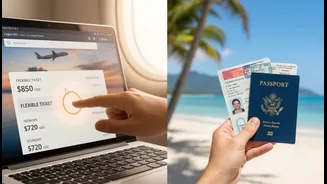
A flexible rate, often called the 'Best Available Rate' when booking directly with a hotel or airline, offers the one thing a rigid rate strips away: peace of mind. These rates typically allow you to cancel or change your reservation without a penalty, usually up to 24 or 48 hours before your scheduled arrival. While the upfront cost is slightly higher, this premium acts as a form of insurance against life's uncertainties. If your plans go awry, you can cancel and receive a full refund, losing nothing. This freedom is invaluable, transforming the slightly higher price from an expense into a safeguard for your travel investment. Hotels and airlines are often more willing to offer this flexibility to customers who book directly, as it builds a direct relationship and cuts out intermediary commissions.
Doing the Real-World Math
Let's consider a practical example. You find a hotel room on a third-party platform for ₹8,000 as a non-refundable rate. Booking the same room directly with the hotel offers a flexible rate of ₹9,200, allowing free cancellation up to 24 hours before check-in. The immediate saving of ₹1,200 seems attractive. But imagine two weeks later, you have to cancel the trip. With the rigid platform booking, you lose the full ₹8,000. With the flexible direct booking, you cancel and lose nothing. In this scenario, the 'cheaper' option resulted in a total loss, while the 'expensive' option cost you zero. The ₹1,200 you thought you saved was actually the price of a high-stakes gamble. For just a 10-20% higher initial cost, the flexible rate eliminates the risk of losing 100% of your money.
Beyond the Price: Other Direct Booking Perks
The benefits of booking directly often extend beyond cancellation policies. Hotels and airlines prioritise customers who book with them directly. This can lead to a better overall experience. You are more likely to have special requests honoured, such as a specific room view or bedding type, because communication is direct. Furthermore, hotels often reserve their less desirable rooms for third-party bookings, giving direct bookers priority for better assignments. Loyalty also pays. Booking direct is often the only way to earn hotel loyalty points or airline miles, which can be redeemed for future stays and upgrades. In cases of overbooking, it's frequently the third-party reservations that are the first to be relocated. When you factor in better customer service during disruptions, the value of booking direct becomes even clearer.