





What Makes the Harvest Moon Special?
The Harvest Moon is the name given to the full moon that occurs closest to the autumnal equinox, which marks the end of summer and the beginning of autumn in the Northern Hemisphere. Historically, its bright light was crucial for farmers, allowing them
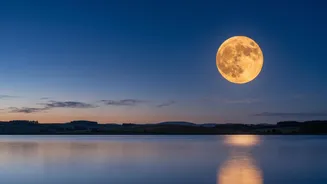
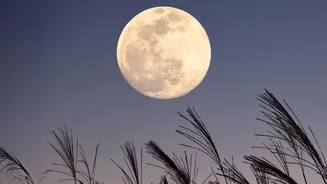
to work late into the night to gather their crops ahead of the first frost, hence the name 'Harvest Moon'. For several evenings around this date, the moon rises shortly after sunset, providing an extended period of bright moonlight. This full moon also holds cultural significance in India, as its timing is associated with Pitru Paksha, a period for honouring ancestors. As it rises, the moon often appears larger and takes on a beautiful golden or orange hue. This is not a change in the moon itself, but an effect of our atmosphere. When the moon is low on the horizon, its light travels through more of Earth's atmosphere, which scatters blue light and allows more red and yellow light to reach our eyes.
When and Where to Watch in India
The full moon will grace the sky on Saturday, September 26, 2026. It will reach its peak illumination at approximately 10:19 PM IST. However, the most dramatic views are often at moonrise, when the moon appears largest against the eastern horizon. Moonrise times vary slightly depending on your location. Here are the approximate times for major Indian cities on September 26, 2026: New Delhi: Look to the eastern horizon around 6:40 PM. Mumbai: Moonrise is expected at approximately 6:43 PM. Bengaluru: The moon will begin its ascent around 6:30 PM. Kolkata: Viewers can expect to see the moonrise at about 6:01 PM. * Chennai: The moon will rise in the east at approximately 6:20 PM. For the most precise time in your specific location, it's a good idea to check a local sky-watching app or website on the day of the event.
Finding the Perfect Viewing Spot
You don't need to travel far to enjoy the Harvest Moon. The key is to find a location with an unobstructed view of the eastern horizon. Rooftops, balconies, local parks, or any open space facing east will work well. While the moon is bright enough to be seen from within a city, escaping the worst of the urban light pollution can enhance the experience, allowing you to see more stars as well. If you have the chance, heading to the outskirts of your town or to a more rural area will provide a darker sky and a more immersive viewing experience. Remember to look for the planet Saturn, which will appear as a bright, star-like object near the moon on this night.
Tips for the Best Viewing Experience
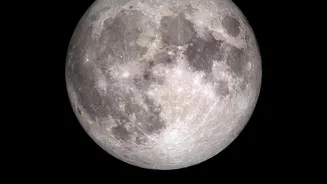
A little preparation can turn a simple moon-gazing session into a memorable event. First, check the weather forecast; clear skies are essential for a good view. Give yourself plenty of time, arriving at your chosen spot just before sunset to watch the sky transition from dusk to night. Allow your eyes about 15-20 minutes to adjust to the darkness; this will help you see the moon's features more clearly. While no special equipment is needed, a pair of binoculars can offer a closer look at the lunar surface, revealing craters and seas. Consider making it a comfortable outing by bringing a blanket or chairs and a thermos of your favourite warm beverage.
How to Photograph the Harvest Moon
Capturing a great photo of the moon with a smartphone can be tricky, but it's not impossible. The key is to avoid blur and overexposure. First, turn off your flash and use a tripod or prop your phone against a stable surface to prevent shaking. Instead of pinching to zoom, which reduces quality, use your phone’s optical zoom if it has one. Tap on the moon on your screen to set the focus, then slide your finger down to lower the exposure until you can see details on the moon's surface. If your phone has a 'Pro' or 'Manual' mode, try setting the ISO to a low value (like 100) and using a faster shutter speed to get a crisp shot. Using the self-timer will also help minimize camera shake when you take the picture.