







From Concrete Jungle to Indoor Farm
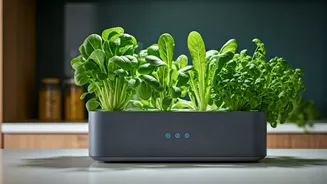
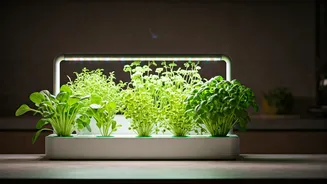
Forget sprawling backyard plots and bags of heavy soil. The new gardening craze captivating India’s youth requires little more than a countertop and a bit of water. Hydroponic micro gardening kits—compact, all-in-one systems for growing nutrient-dense
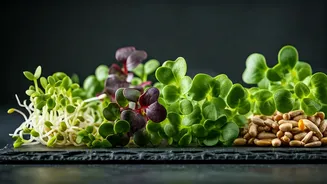
microgreens like kale, radish, and basil—are flying off virtual shelves. These soil-free setups use a nutrient-rich water solution to cultivate plants from seed to harvest in as little as one to two weeks. For a generation living in increasingly vertical cities where private green space is a luxury, this technology offers a practical, accessible entry point into growing their own food. It’s a solution perfectly tailored to the constraints of modern urban life, turning small balconies and kitchen windows into miniature, productive farms.
The Search for Wellness and Control
The surging demand isn't just about novelty; it's rooted in deeper cultural shifts. Concerns over food safety, pesticide use, and complex supply chains have left many young consumers feeling disconnected from what they eat. Growing their own microgreens offers a powerful sense of control and transparency. It’s a direct response to a desire for clean, healthy, and hyper-local food. This movement gained significant momentum during the COVID-19 pandemic, mirroring the sourdough and houseplant trends seen in the U.S. As lockdowns confined people to their homes, many sought tangible, screen-free hobbies that provided a sense of purpose and calm. Tending to a tiny garden offered a daily ritual and a gratifying, edible reward, becoming a potent form of self-care in a period of intense uncertainty.
Harvesting for the Social Feed
In the age of Instagram, aesthetics are everything, and microgreens are undeniably photogenic. The journey from a tiny seed to a lush patch of vibrant greens is visually compelling content. Direct-to-consumer brands have capitalized on this, designing sleek, minimalist kits that look as good on a social media feed as they do on a kitchen counter. The entire process—unboxing the stylish kit, documenting the daily growth, and finally garnishing a dish with a fresh harvest—is perfectly shareable. This visual appeal has created a powerful feedback loop: as more people post their indoor gardening successes, they inspire their peers to join in. It has transformed a solitary hobby into a communal digital experience, where tips are shared and harvests are celebrated online, amplifying the trend’s reach far beyond early adopters.
More Than Just a Salad Topping
Ultimately, the rise of micro gardening speaks to a generational shift in values. For many young professionals in India, success is being redefined to include not just career achievements but also personal wellness and a sustainable lifestyle. This trend represents a small but meaningful act of rebellion against the facelessness of industrial food systems and the stresses of city living. It’s about reclaiming a small piece of the natural world and integrating it into a fast-paced, digital-first life. The ability to cultivate something with their own hands provides a profound sense of accomplishment and connection—a feeling often missing from modern urban existence. It’s not just about growing food; it’s about cultivating a more mindful and intentional way of life, one tiny harvest at a time.