



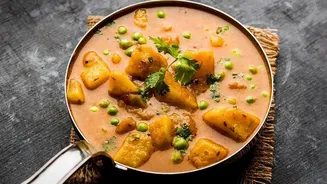
The Classic: Coconut Milk
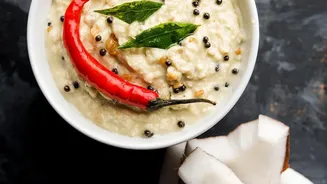
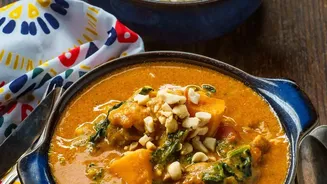
Coconut milk is perhaps the most well-known dairy substitute in curries, and for good reason. It’s a cornerstone of South Indian and coastal cooking, from Kerala to Goa. Full-fat coconut milk adds a luscious, creamy body and a subtle, natural sweetness
that beautifully balances the heat of chillies and the earthiness of spices like turmeric and coriander. Its distinct tropical flavour makes it an excellent choice for fish curries, vegetable stews, and lentil dishes. While it imparts a definite coconut flavour, this is often a desired characteristic in the dishes it's traditionally used in. For a less pronounced taste, you can use light coconut milk, though this will result in a thinner gravy. For maximum creaminess, add it towards the end of the cooking process and simmer gently to prevent it from splitting.
The Rich Neutral: Cashew Paste
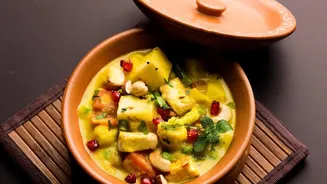
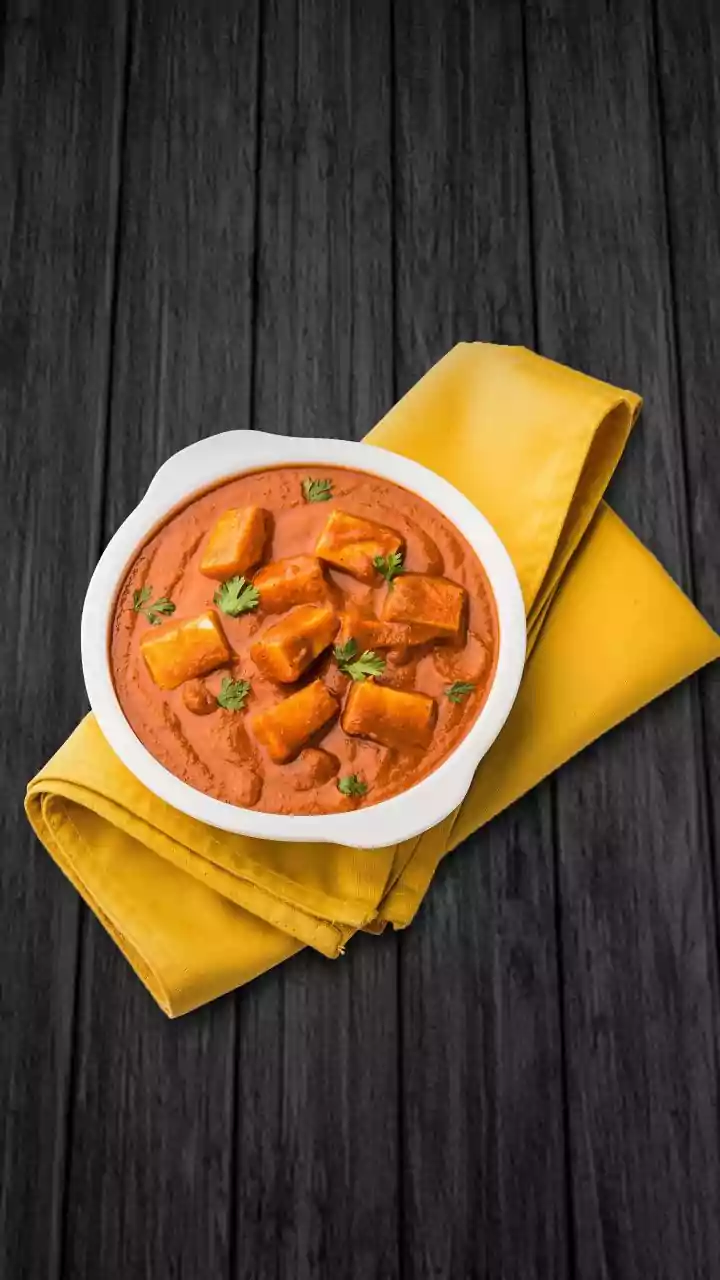
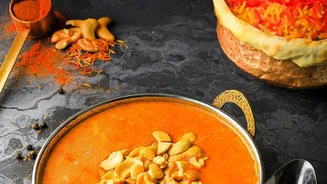
For a truly decadent and neutral creaminess, look no further than cashew paste. A staple in rich North Indian and Mughlai cuisine, cashew paste (or 'kaju' paste) provides a luxurious, velvety texture without significantly altering the primary flavours of the curry. To make it, simply soak raw (not roasted) cashews in warm water for at least 30 minutes, then blend them with a little fresh water until a silky-smooth paste forms. This paste can be stirred into gravies like korma or butter chicken-style sauces, where it acts as a thickener and gives the dish a rich mouthfeel similar to heavy cream. Because its flavour is subtly sweet and nutty rather than overpowering, it allows the intricate spice blends to remain the star of the show.
The Earthy Thickener: Poppy Seed Paste
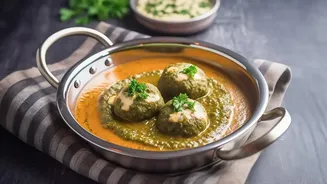
White poppy seeds, known as 'khus khus' or 'posto', are a traditional thickening agent used across India, especially in Bengali and Mughlai cooking. When soaked and ground into a paste, these tiny seeds lend a unique, earthy, and nutty flavour along with significant body to a curry. To prepare them, the seeds must be soaked for a few hours to soften before being ground, often with a little water, into a fine paste. The resulting creaminess is less about fat and more about texture. It’s perfect for dishes like aloo posto (potatoes in poppy seed paste) or for adding substance to kofta curries without relying on dairy. The flavour is more pronounced than cashew paste, offering a distinct nuttiness that is a celebrated component of the dishes it features in.
The Secret Ingredient: Melon Seed Paste
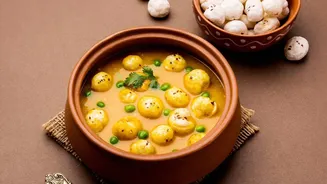
Often used in royal Mughlai kitchens, 'char magaz' (a mix of four melon seeds: watermelon, cantaloupe, cucumber, and pumpkin) is a fantastic, neutral-flavoured thickener. When you can't find the blend, plain watermelon seeds ('magaz') work wonderfully on their own. Like cashews and poppy seeds, they are soaked and then ground to a smooth, creamy paste. The key advantage of melon seed paste is its incredibly mild flavour, which makes it an excellent thickener that won't interfere with the curry's spice profile. It creates a rich, smooth gravy, making it an ideal substitute for cashews if you have a nut allergy or are looking for a more economical option. It's particularly useful in white kormas and other delicate gravies where a neutral base is essential.
The Lighter Alternative: Almond Paste
Almond paste is another great nut-based option for adding creaminess. To create a smooth paste, it's best to use blanched almonds, which have had their skins removed. Soaking them makes for easier blending. Compared to cashews, almond paste can sometimes have a slightly grainier texture and a more noticeable 'nutty' flavour. However, it works very well as a thickener and adds a different dimension of richness. It can be used interchangeably with cashew paste in many North Indian recipes, though you may need to blend it longer to achieve a similar level of smoothness. Combining it with a splash of plant-based milk can help create an even silkier sauce.
The Surprise Contender: Silken Tofu
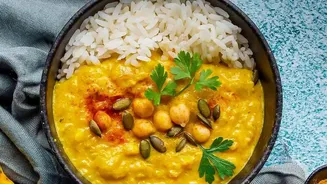
For a completely nut-free and seed-free option, blended silken tofu is an innovative choice. Its custardy, delicate texture makes it an excellent substitute for yogurt or cream. Unlike other dairy alternatives, silken tofu is virtually flavourless, meaning it won't compete with the spices in your dish. Simply blend a block of silken tofu with a small amount of water or unsweetened plant milk until it reaches a smooth, pourable consistency. It seamlessly incorporates into gravies, tempering heat and adding a protein-rich creaminess without the fat content of nuts or coconut. This makes it a versatile and healthy option for almost any curry, from a robust chana masala to a creamy vegetable korma.