
Mastering the Art of Timing
The simplest way to ensure a safe walk is to master its timing. Try to plan your outings during breaks in the downpour or in the morning when rainfall is often lighter. Avoid walking your dog during heavy rain, strong winds, or thunderstorms, as the loud
noises and sudden flashes of lightning can cause significant anxiety and stress. A frightened dog is more likely to bolt or behave unpredictably. If a storm is forecast, it's safer to opt for a very short trip close to home or use a designated indoor potty spot.
Gearing Up for the Weather
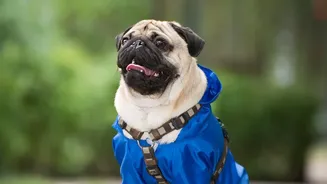
Investing in the right gear can make a world of difference. A comfortable, well-fitting dog raincoat can protect your pet's coat from getting soaked, which is especially helpful for breeds with thick fur that takes a long time to dry. Damp fur is a breeding ground for bacteria and fungi, leading to skin infections. For added safety during overcast conditions and early evenings, consider a leash or harness with reflective elements to increase visibility for drivers. Paw protectors or boots can also offer a barrier against muddy, contaminated surfaces.
Navigating Puddles and Hidden Dangers
While splashing in puddles might look like fun, stagnant water poses a serious health risk. These pools can be contaminated with harmful bacteria like Leptospira, which is spread through the urine of infected animals and can cause a serious illness called leptospirosis. Symptoms can include fever, vomiting, and in severe cases, kidney or liver failure. It's crucial to prevent your dog from drinking from or wading through puddles. Flooded areas can also hide sharp debris or even downed electrical wires, turning a simple walk into a hazardous situation.
The Crucial Post-Walk Clean-Up
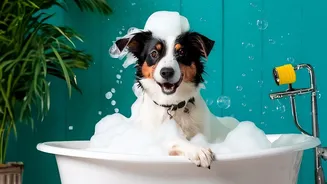
A consistent post-walk hygiene routine is non-negotiable during the rainy season. As soon as you return home, thoroughly dry your dog with an absorbent towel. Pay special attention to their paws, belly, armpits, and any skin folds, as trapped moisture in these areas can quickly lead to fungal and bacterial infections. For dogs with long or dense coats, a pet-safe blow dryer on a low, cool setting can ensure the undercoat gets completely dry. Cleaning your dog’s paws is particularly important. Wash them with lukewarm water and a gentle cleanser, making sure to clean between the toes where mud and moisture collect.
Watching for Common Monsoon Ailments
Despite your best efforts, the high humidity and dampness can make pets more susceptible to certain health problems. Be vigilant for signs of skin infections, which can include constant scratching, redness, rashes, or a foul odour. Repeatedly licking paws is often an early symptom of irritation, not just a habit. The monsoon season is also a peak time for fleas and ticks, so ensure your pet's preventative treatments are up to date. Tummy upsets can also be more common, so always provide fresh, clean drinking water and avoid letting them consume anything from outside.