




For the Commuter: Navigating the City
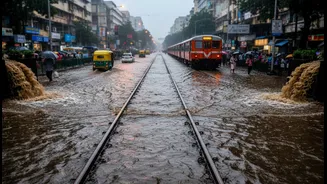
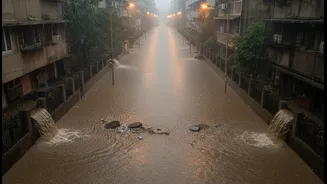
Recent heavy rains have significantly impacted Mumbai's transport network. Waterlogging in areas like Nalasopara, Vasai, and Virar has led to recurring disruptions on the Western Railway line, with trains running 25 to 30 minutes late. Services on the Central
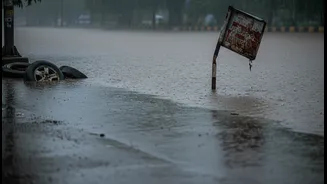
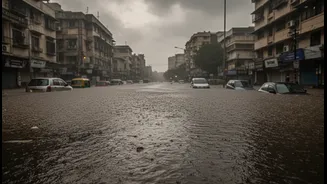
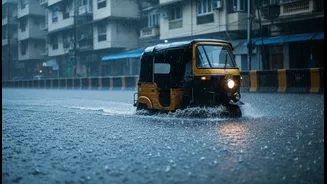
Railway have also faced delays, particularly on the Harbour Line and between Neral and Karjat, where tracks were temporarily submerged. Landslides in the Bhor Ghat section have also halted some Mumbai-Pune train services. Airlines have issued travel advisories due to delays and cancellations. Before heading out, commuters should check real-time traffic updates and train statuses on official railway apps and social media handles. The BMC has advised citizens to avoid unnecessary travel and stay clear of flooded roads and low-lying areas.
For the Renter: Ensuring Home Safety
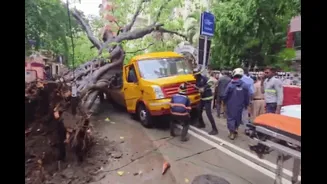
The relentless downpour poses risks to residential buildings, especially older structures. In the past week, there have been several incidents of building and wall collapses, alongside over 250 reports of falling trees. The Brihanmumbai Municipal Corporation (BMC) has issued specific advisories, urging residents to stay away from dilapidated buildings. For renters, this is a critical time to check for structural vulnerabilities. Report any deep cracks in walls, persistent leaks, or creaking sounds to your landlord and the local ward office immediately. The BMC has also directed construction sites to halt hazardous work and secure all loose materials and scaffolding during periods of strong wind and heavy rain. If you live near a construction project, remain vigilant. In case of emergencies like a building collapse or major structural damage, the primary BMC helpline to call is 1916.
For the Urban Planner: A System Under Strain
This year's monsoon fury, where the city received nearly 80% of its typical July rainfall in just a few days, highlights immense challenges for urban planning. Experts argue that these extreme weather events are the new normal, driven by climate change and a warming Arabian Sea, which leads to shorter, more intense downpours rather than steady seasonal rain. The city's ageing, British-era drainage system is often unable to cope with such high volumes of water, a problem exacerbated by widespread concretisation and the loss of natural sponges like mangroves and wetlands. According to urban planning experts, the focus on real estate development has often overshadowed critical environmental considerations like storm water drainage and green spaces. The recurring floods underscore the urgent need for climate-resilient infrastructure, including upgraded drainage, enforceable rainwater harvesting, and the preservation of natural floodplains to mitigate future crises.
Essential Helplines and Resources
During the monsoon, having access to the right information is crucial. For any civic or disaster-related emergency, the primary BMC helpline is 1916. For specific flood-related issues, you can contact the Mumbai Metropolitan Region Development Authority (MMRDA) control room at 022-26591241 or 1800228801. Central Railway's control room can be reached at 022-22620173, and Western Railway's at 022-23094064 for train-specific emergencies. For traffic updates, the Mumbai Traffic Police WhatsApp helpline is 8454999999. It is always best to rely on official channels for information and to avoid spreading unverified rumours. The BMC has urged all citizens to follow advisories issued by official government agencies to ensure public safety during this challenging period.