
A Tradition Steeped in Butter
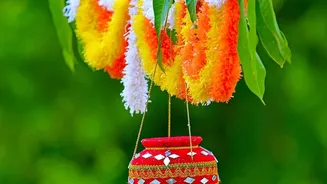
Janmashtami, the celebration of Lord Krishna's birth, is a festival where food is central to the devotion. The folklore is rich with tales of a young Krishna’s love for milk, curd, and especially, freshly churned butter (makhan). This is why the 'bhog'
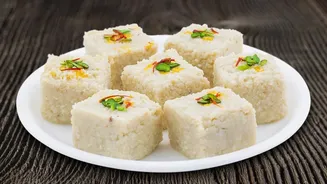
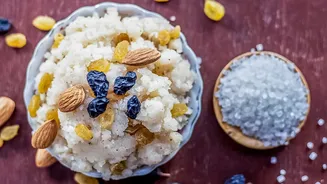
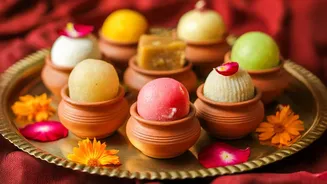
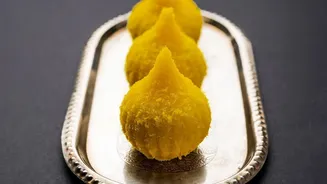
or food offering, particularly the sweets, are predominantly dairy-based. Dishes like Makhan Mishri (white butter mixed with rock sugar), various kinds of Peda (a milk-solid fudge), and creamy Kheer are staples in households and temples. The grand offering of 'Chhappan Bhog', a feast of 56 dishes, is a testament to the festival's deep connection with food, originating from the story of villagers preparing a feast to thank Krishna for holding up the Govardhan Parvat for seven days. These offerings symbolise purity, love, and gratitude.
The New Wave of Healthy Devotion
In recent years, a noticeable shift has been occurring, driven by a younger, more health-conscious generation. While the love for tradition remains strong, there is a growing awareness of the health implications of consuming large amounts of refined sugar and fats. This has sparked a creative movement among youth groups, home chefs, and culinary communities to reimagine classic Janmashtami sweets. The goal isn't to replace tradition but to evolve it, making it accessible and enjoyable for everyone, including those with dietary restrictions like diabetes or those simply choosing a healthier lifestyle. This modern approach ensures that the festive spirit isn't dampened by health concerns, allowing for guilt-free indulgence.
Innovation on the Prasad Thali
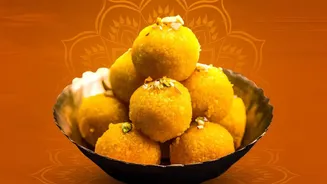
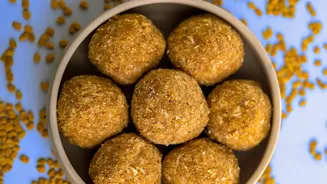
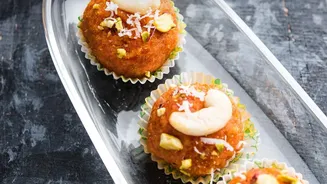
So, what do these modernised sweets look like? The innovation is both simple and ingenious. Refined white sugar is being swapped out for natural alternatives. Jaggery (gur), with its earthy sweetness and mineral content, is a popular choice for making Panjiri and Laddoos. Dates and figs are used to create rich, naturally sweet energy bites and rolls that are completely free of added sugar. Some chefs are even experimenting with low-glycemic sweeteners like stevia or monk fruit for desserts like Makhana Kheer and Shrikhand. There are also textural and flavourful twists. Fusion desserts like Cocoa-Makhan Bites, which add a hint of chocolate to the traditional butter offering, are gaining popularity. Similarly, Mango Shrikhand or Badam-Makhana Phirni add a contemporary touch to age-old recipes.
More Than Just a Recipe Change
This trend is about more than just swapping ingredients; it represents a deeper cultural shift. For these youth collectives, adapting festival food is a way of preserving their heritage. By making traditional sweets more aligned with modern dietary knowledge, they are ensuring that these culinary traditions are passed down and embraced by future generations. It’s an act of keeping the culture alive and relevant. It shows that tradition doesn't have to be rigid. Instead, it can be dynamic and adaptable, absorbing new ideas while retaining its core essence. This thoughtful approach bridges the gap between older and younger family members, allowing everyone to share in the festive food without reservation.
The Sweet Taste of a Living Tradition
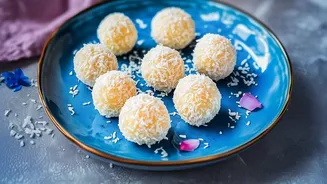
The response to these low-sugar creations has been overwhelmingly positive. Families appreciate being able to offer prasad that is both delicious and mindful of health. These sweets are not seen as a departure from devotion but as an enhancement of it—an offering made with even more thought and care. From Ragi Coconut Laddoos packed with protein to Grilled Almond Barfis that skip sugar entirely, the options are expanding. These young innovators are proving that you don’t have to choose between health and heritage. By marrying the two, they are creating a new chapter in India’s rich festive food story, one that is healthier, more inclusive, and just as sweet.