







Chikmagalur: The Birthplace of Indian Coffee
History credits the 17th-century Sufi saint, Baba Budan, with bringing the first coffee beans to India and planting them in the hills of Chikmagalur. This legacy makes the region the veritable cradle of Indian coffee, offering a pilgrimage for any true
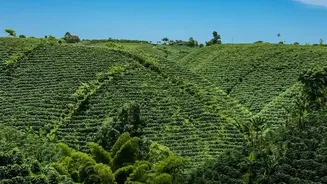
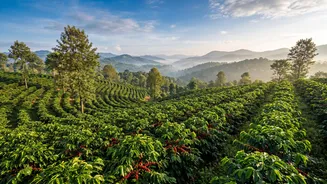
enthusiast. The landscape is a stunning panorama of rolling hills, lush forests, and endless coffee plantations. For an authentic experience, consider staying in one of the many heritage bungalows or family-run homestays located right within working estates. These stays often include guided plantation walks where you can learn about shade-grown farming, which enhances the beans' flavour while preserving biodiversity. Beyond the estates, you can trek to Mullayanagiri, Karnataka's highest peak, or visit the scenic Hebbe and Jhari waterfalls. The best time to visit is from September to March, with the harvest season falling between November and January, offering a chance to see the plantations bustling with activity.
Coorg: The Lush Scotland of India
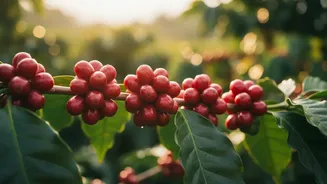
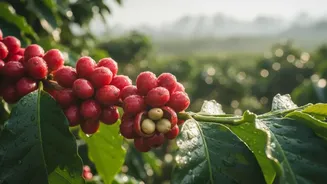
Often called the 'Scotland of India', Coorg (Kodagu) is a land of misty hills, verdant valleys, and a rich martial history. It is also one of the country's largest coffee-producing regions, known for both Arabica and Robusta beans grown under a dense canopy of shade trees. Coorg offers a wide range of experiences, from luxury resorts with private plantation tours to quaint homestays that provide an intimate look at the Kodava culture and cuisine. Many estates offer guided tours that walk you through the entire process, from hand-picking the ruby-red cherries to the final stages of sorting and roasting. November to March is considered the ideal time to visit, as this period covers the harvest season when the air is thick with the aroma of coffee. When you're not exploring the plantations, you can visit Abbey Falls, the Namdroling Monastery's Golden Temple, or go white water rafting on the Barapole River.
Araku Valley: A Unique Tribal and Organic Haven
Nestled in the Eastern Ghats of Andhra Pradesh, Araku Valley offers a coffee experience unlike any other in India. The coffee here is cultivated by indigenous tribal communities using organic farming methods, a practice that has earned Araku's Arabica beans global recognition and a Geographical Indication (GI) tag. The beans are grown in the shade of mango, jackfruit, and silver oak trees, which contributes to their unique flavour profile, noted for a smooth, low-acidity taste with hints of spice. A journey to Araku is an adventure in itself, often undertaken via a scenic train ride from Visakhapatnam that winds through numerous tunnels and over bridges. Besides touring the plantations, visitors can explore the million-year-old Borra Caves, visit the Tribal Museum to understand the local culture, or relax by the Chaparai water cascade. The Araku Coffee Museum offers a deep dive into the region's coffee history. The best time for a visit is between October and March, when the weather is cool and pleasant for sightseeing.
Tips for Your Coffee Trail Adventure
To make the most of your coffee tour, planning is key. The period from September to March generally offers pleasant weather across all three regions. If you want to witness the magic of coffee blossoms, aim for March and April, though this can vary. For the full harvest experience, plan your trip between November and January. Booking your accommodation in advance is highly recommended, especially during peak season. Estate homestays offer the most immersive experience, often including meals and plantation walks. Pack comfortable walking shoes, light jackets for cool evenings, and a camera to capture the stunning landscapes. Most importantly, engage with your hosts and guides. They possess a wealth of knowledge about the land, the crop, and the local culture that you won't find in any brochure. And don't forget to buy coffee directly from the estates—it's the freshest you'll ever taste and makes for a perfect souvenir.