



How Winter Weakens Your Skin's Defences
Your skin has a natural protective barrier, known as the stratum corneum, made of skin cells and lipids that lock in moisture and keep irritants out. But winter wages a two-front war on this barrier. First, the cold, dry air outside has low humidity,
which actively pulls moisture from your skin. Second, indoor heating creates an equally dry environment, accelerating this moisture loss. This constant fluctuation between cold outdoors and warm indoors causes blood vessels to constrict and dilate, stressing the skin and further weakening its defences. This process leaves the skin's protective lipid 'mortar' cracked and compromised, making it prone to dryness, flaking, and sensitivity even before you introduce exfoliating products.
The Exfoliation Dilemma
Exfoliation is designed to remove the top layer of dead skin cells, which can help your moisturizers penetrate better and reveal a brighter complexion. However, when your skin's barrier is already weakened by winter conditions, exfoliation can do more harm than good. By scrubbing or using strong acids, you're not just removing dull cells; you're stripping away the essential lipids your skin desperately needs to retain water. This further damages the barrier, creating tiny cracks that allow for even more moisture to escape and for environmental irritants to get in, leading to a vicious cycle of dehydration and inflammation.
Signs You're Over-Exfoliating
It's easy to overdo it, especially in winter. Your skin will often send clear warning signs. One of the first is persistent redness and irritation that lasts for hours after you've exfoliated. Your skin might also feel unusually tight, dry, or dehydrated, no matter how much moisturizer you apply. A stinging or burning sensation when you apply other products that you normally tolerate is another red flag that your skin barrier is compromised. Ironically, over-exfoliation can also lead to more breakouts, as the skin may overproduce oil to compensate for the dryness or become more susceptible to bacteria.
A Smarter Winter Exfoliation Strategy
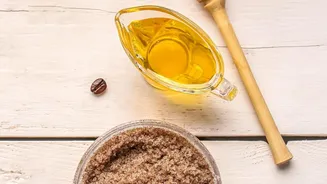
This doesn't mean you have to stop exfoliating completely. In fact, gently removing the buildup of dead cells can help your hydrating products work more effectively. The key is to adjust your approach. First, reduce frequency to just one or two times per week. Second, consider switching your method. If you use a physical scrub, opt for one with fine, smooth particles and avoid aggressive rubbing. Many dermatologists recommend switching to a mild chemical exfoliant during winter, as they dissolve dead cells without harsh friction. Look for gentle alpha-hydroxy acids (AHAs) like lactic or mandelic acid, which are known for being hydrating and suitable for sensitive skin.
Focus on Barrier Repair and Hydration
After exfoliating, your priority should be to immediately replenish moisture and support your skin's barrier. Apply a hydrating serum and a rich moisturizer right after you exfoliate to lock in hydration. Look for products containing ingredients that mimic the skin's natural structure. Ceramides, cholesterol, and fatty acids are the 'mortar' that helps rebuild the skin barrier. Humectants like hyaluronic acid and glycerin are also excellent, as they draw water into the skin. Other beneficial ingredients for calming and repairing stressed winter skin include niacinamide, squalane, and colloidal oatmeal.