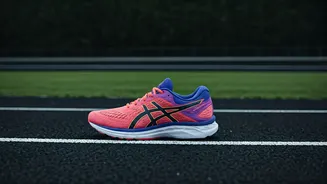



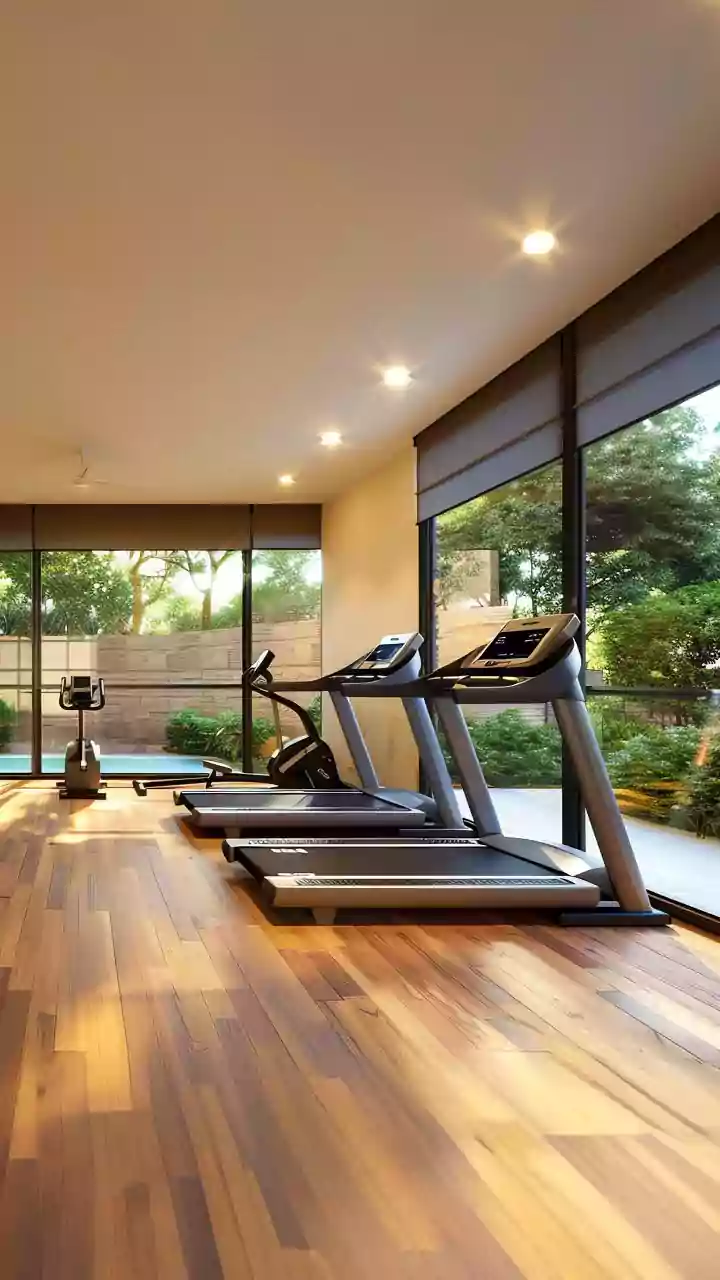





The Rise of the Night Owl Workout
For years, the gospel of wellness preached the virtues of the 5 a.m. workout. But the reality of modern life—demanding jobs, family responsibilities, and the simple desire for more sleep—has pushed many to reconsider their fitness schedules. The evening
workout has emerged not just as a practical alternative, but as a desirable one. Gyms are often less crowded, and for many, it’s a powerful way to decompress and shed the stress of the day. This shift is also fueled by a broader movement in wellness that prioritizes longevity and sustainable habits over intense, punishing routines. The focus is now on consistency and finding what genuinely fits your lifestyle, which, for a growing number of people, means exercising after the sun goes down.
The Performance Perks of PM Exercise
Working out in the evening isn’t just about convenience; there’s science to back up its benefits. Your body's core temperature is naturally higher in the late afternoon and evening, which means your muscles are more flexible and pliable. This can lead to improved performance, greater strength, and a lower risk of injury. Furthermore, your individual biological clock, or chronotype, plays a significant role. People who are natural “evening types” or “night owls” may find they have more energy and power for workouts later in the day. Some research indicates that exercising in the evening may also help regulate stress hormones like cortisol, providing a mental reset after a hectic day.
Will It Wreck Your Sleep? The Big Myth
The most common concern about evening workouts is their potential to interfere with sleep. For a long time, experts advised against it. However, recent research has painted a more nuanced picture. A meta-analysis of multiple studies found that evening exercise generally does not harm sleep and can even help people fall asleep faster and enjoy more deep sleep. The crucial factors are the intensity of the workout and its timing. Vigorous, high-intensity exercise like interval training or heavy lifting performed less than an hour before bed can increase your heart rate and body temperature, making it harder to wind down. However, moderate exercise completed at least 90 minutes to four hours before you plan to sleep seems to be the sweet spot for most people, allowing the body time to cool down and relax.
Smarter Evening Workouts
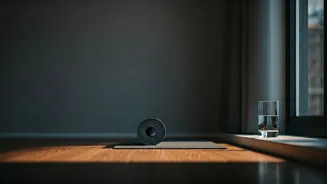
So, what kind of exercise is best for the evening? If you're working out closer to bedtime, focus on low- to moderate-intensity activities. Gentle yoga, stretching, Pilates, or a light jog can help release tension and prepare your body for rest. These types of movements can improve flexibility and are known to have a calming effect on the nervous system. If you prefer strength training or more intense cardio, try to schedule it for the early evening, giving yourself that crucial buffer of a few hours before bed. This allows you to reap the performance benefits without sacrificing your sleep quality. Regardless of the workout, a post-exercise cool-down is essential to help bring your heart rate and body temperature back to baseline.