

What You Are Looking For
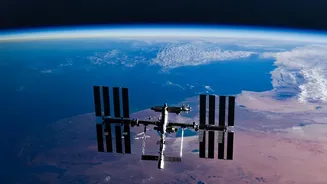
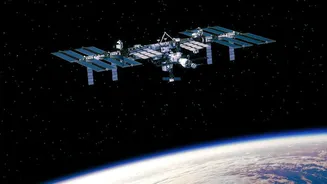
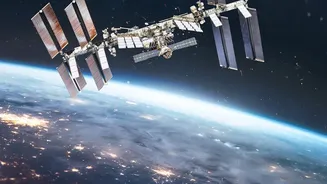
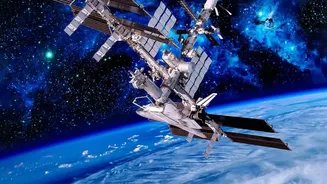
The International Space Station is the third brightest object in the night sky after the Sun and Moon, and it looks like a very bright, fast-moving star. Unlike an airplane, it doesn't have blinking or flashing red and green lights; it shines with a steady,
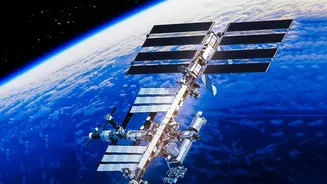
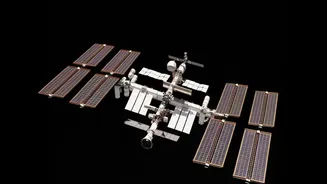
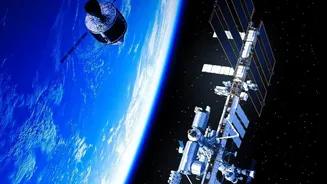
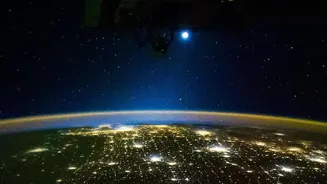
constant white light. That light is simply sunlight reflecting off its massive solar panels and modules as it orbits Earth at a blistering 28,000 kilometres per hour. The best times to see it are for a few hours just after sunset or before sunrise. During these periods, the sky is dark on the ground, but the ISS, orbiting about 400 kilometres up, is still bathed in sunlight, making it glow brightly against the twilight.
Top Apps to Guide Your Gaze
You don't need a telescope, just an app that knows where you are and where the station is. Several free and easy-to-use apps turn your phone into a personal ISS tracker. NASA's official Spot The Station app is a fantastic starting point, offering sighting alerts, real-time tracking, and even an augmented reality (AR) view that uses your camera to show the station's path across the sky. Another popular choice is ISS Detector, which provides a simple list of upcoming passes, rated for their visibility. For those who want more detail, Heavens-Above is a long-standing favourite among astronomy enthusiasts, offering charts and data for the ISS and countless other satellites. Many general stargazing apps, like SkyView or Star Walk 2, also include satellite tracking features.
Setting Up for a Successful Sighting
The process is incredibly simple. Once you've downloaded your chosen app, the first step is to grant it location access. This allows the app to calculate viewing times specifically for your position. Next, enable notifications. This is the key feature that makes spotting so easy; the app will send you an alert minutes or hours before a visible pass is about to happen, so you don't have to constantly check schedules. The notifications will typically tell you the exact time the pass will start, how long it will be visible, its maximum height in the sky, and the direction in which it will appear and disappear. The best passes are those with a high maximum height, meaning the station will travel high across the sky, where it will be brightest and visible for several minutes.
Tips for the Perfect Viewing
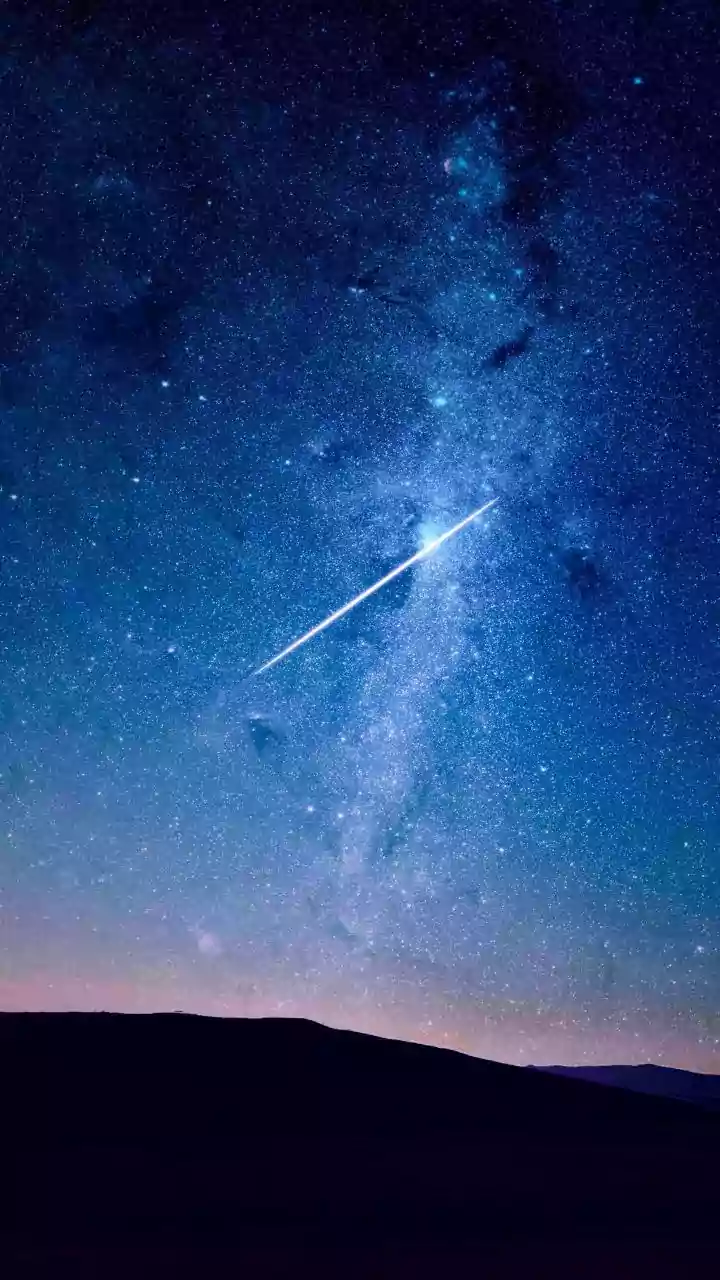
On the night of a pass, a little preparation goes a long way. Head outside about five minutes early to let your eyes adjust to the darkness. If you can, find a spot with an open view of the sky, away from the direct glare of streetlights or buildings. Your app will tell you which direction to face—typically, the station rises somewhere in the west. Hold your phone up and use the AR or compass feature to get your bearings. Then, just watch and wait. Right on schedule, you will see a bright point of light emerge from the horizon and smoothly, silently glide across the heavens. For the few minutes it is visible, you'll be watching a habitat with astronauts on board, a true outpost of humanity in the cosmos.