






The Foundation of Your Rights
In India, passenger rights are not just airline policy; they are mandated by law. The Directorate General of Civil Aviation (DGCA) enforces these rules through a document known as the Passenger Charter. This charter is based on the Civil Aviation Requirements
(CAR), which legally require all airlines operating in, to, or from India to comply. This means the benefits you are entitled to during a disruption are legal obligations, not just goodwill gestures. The rules cover everything from delays and cancellations to being denied boarding due to overbooking.
When Your Flight Is Delayed
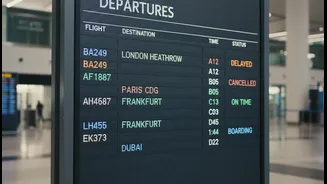
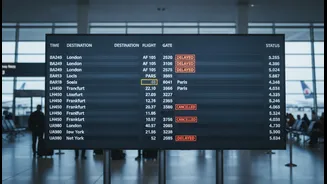
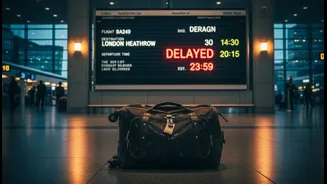
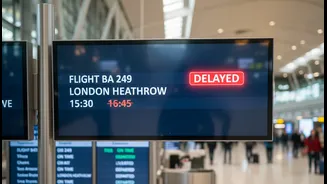
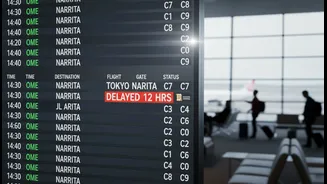
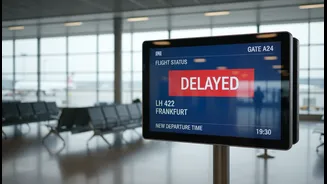
For delays, your entitlements are based on the length of the wait, and it's important to note that cash compensation is generally not provided for delays alone. Instead, airlines must provide care. If your flight is delayed by 2 to 6 hours, the airline must offer you free meals and refreshments appropriate for the time of day. If the delay extends beyond 6 hours, or is an overnight delay (for flights scheduled between 8 p.m. and 3 a.m.), the airline must provide you with hotel accommodation and transfers between the airport and the hotel. For domestic flights delayed more than 6 hours, you also have the right to choose a full refund or an alternative flight.
Navigating Flight Cancellations
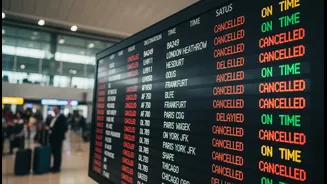
Cancellations are where financial compensation can come into play. If your flight is cancelled, the airline must offer you the choice between a full refund or an alternate flight at no extra cost. If the airline fails to inform you of the cancellation at least two weeks in advance, you are entitled to compensation. If you are informed between 24 hours and two weeks before departure, the airline must offer an alternate flight leaving within two hours of your original time. If notice is less than 24 hours, you are entitled to monetary compensation up to ₹10,000, depending on the flight's duration, in addition to a full refund or rebooking.
What if You're Denied Boarding?
Airlines sometimes sell more tickets than seats, a practice known as overbooking. If you have a confirmed ticket and checked in on time but are involuntarily denied boarding, you are entitled to significant compensation. The airline must first ask for volunteers to give up their seats in exchange for benefits. If not enough volunteers come forward, those who are bumped off are entitled to compensation of up to 400% of their one-way fare, with a cap of ₹20,000. This is in addition to the option of a full refund or an alternative flight.
The Limits: When Rules Don't Apply
A critical aspect of these protections is the 'extraordinary circumstances' clause, also known as force majeure. Airlines are not required to pay monetary compensation for disruptions caused by events beyond their control. This includes situations like extreme weather, political instability, security risks, air traffic control restrictions, or widespread strikes. However, even in these situations, airlines are often still obligated to provide care, such as meals, refreshments, and hotel accommodation during long waits. They must also still offer a refund or an alternative flight if the service is cancelled.
How to Claim Your Rights
To claim your entitlements, first approach the airline staff at the airport. If they are unable to resolve the issue, escalate it through the airline’s official customer service channels. Keep all your travel documents, receipts for any expenses, and records of communication. If the airline fails to comply, you can file a grievance on the government's AirSewa portal (airsewa.gov.in) or app. This platform directs your complaint to regulatory officers for resolution. For more serious disputes, passengers can also approach a consumer court.