





Harela’s Green Heart
Harela, which translates to “Day of Green,” is a festival deeply rooted in the agricultural and cultural landscape of Uttarakhand, particularly the Kumaon region. Celebrated around July 16 to mark the onset of the monsoon and the new sowing season, it's
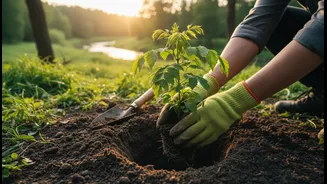
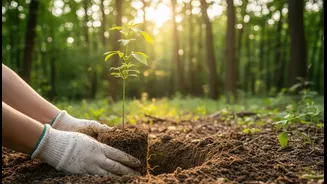
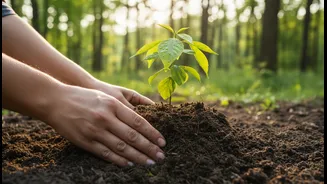
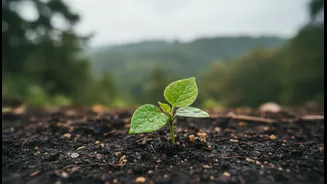
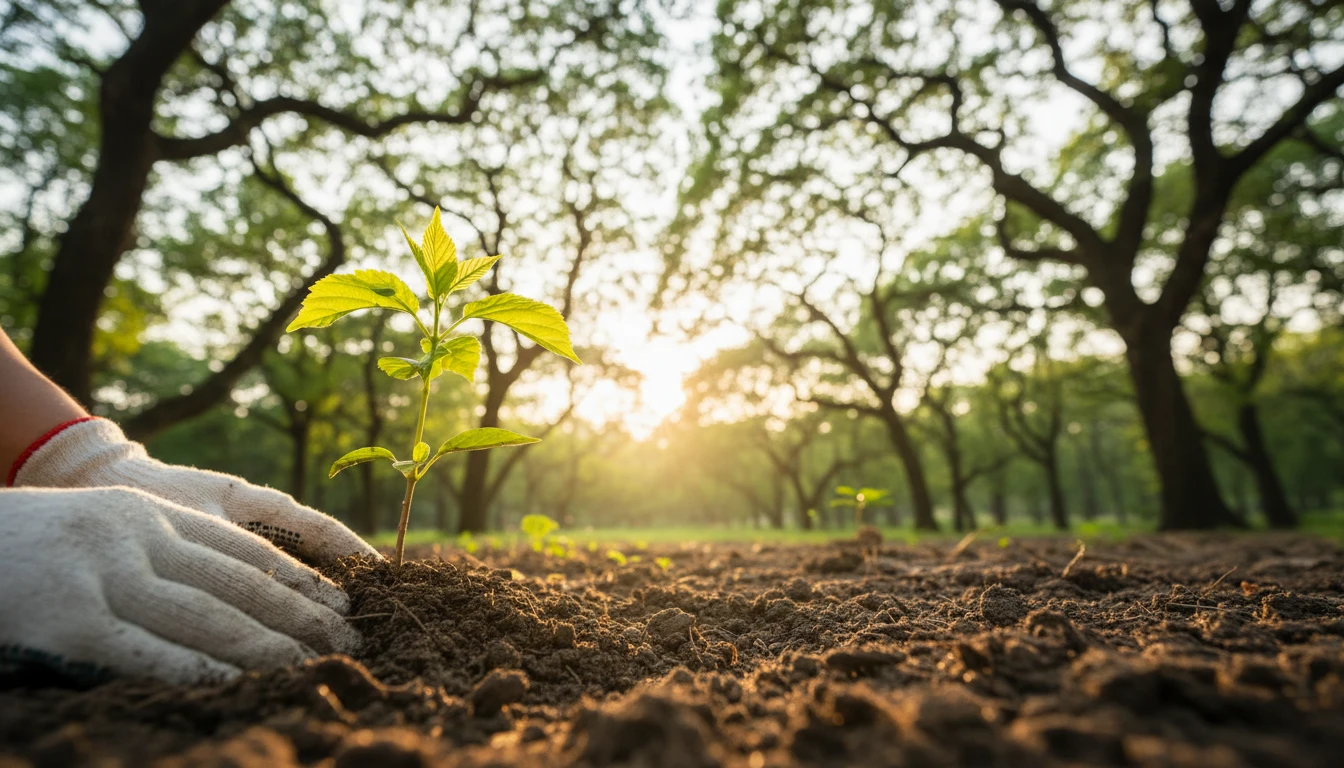
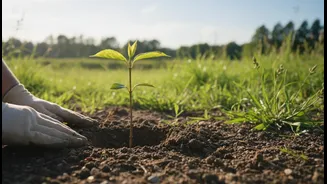
a festival that honours nature and prays for prosperity and a good harvest. Traditionally, families sow seeds of several grains in a basket ten days prior, and the resulting green shoots, also called 'harela', are a key part of the ritual. This intrinsic connection to germination and greenery has organically evolved into a modern tradition: mass tree plantation drives, turning the festival into a significant environmental event for the state.
The Allure of Big Numbers
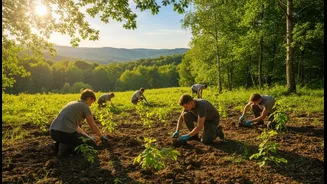
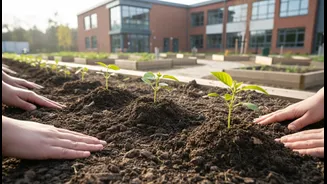
When Harela arrives, so do the ambitious targets. News reports often highlight figures in the lakhs, detailing the vast number of saplings to be planted across the state. For instance, in 2026, the Uttarakhand forest department planned to plant 59 lakh saplings on July 16 alone. These large numbers are a powerful and easily digestible metric of positive action. They signal a government and community committed to environmental conservation, generating positive headlines and a sense of collective achievement. The drives involve participation from numerous departments, schools, and local communities, amplifying the scale of the event. However, the number of saplings planted is only the first, and arguably the easiest, part of the story.
From Sapling to Tree: The Real Challenge
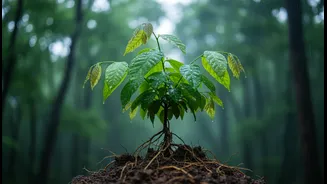
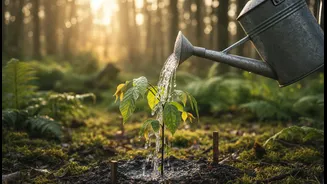
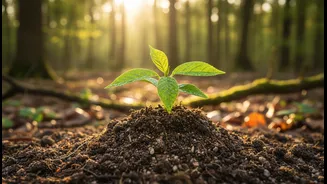
A planted sapling is not a tree. The journey from a fragile young plant to a mature, established tree is fraught with challenges. The most critical, yet often overlooked, metric is the survival rate. A study in tropical Asia found that, on average, 44% of planted saplings die within five years. The reasons for mortality are numerous: drought, poor soil quality, damage from grazing animals, pests, and competition from weeds. Successful afforestation depends entirely on post-plantation care, including watering, protection, and monitoring for at least the first few years. An official in Uttarakhand noted that while plantation targets are set, the focus is increasingly shifting toward post-plantation care to improve these survival rates. One report from 2025 mentioned a claimed survival rate of nearly 80% over the previous three years, a figure that is crucial for genuine success.
Your Guide to a Critical View
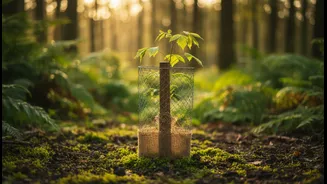
So, how can an engaged citizen look beyond the headlines? The key is to shift your focus from 'saplings planted' to 'trees survived'. Start by asking different questions. Look for official reports from the Uttarakhand Forest Department or bodies like the Compensatory Afforestation Fund Management and Planning Authority (CAMPA), which sometimes involve third-party monitoring. Inquire about survival rates for past plantation drives, not just the current year's targets. Ask about the species being planted—are they native to the local ecology, like Baanj and Deodar, or are they non-native? Native species are crucial for supporting local biodiversity. Furthermore, find out what plans are in place for protecting the saplings. Is there fencing to prevent grazing? Is there a plan for watering during dry spells? A drive without a follow-up plan is often just a temporary gesture.
Seeing the Forest and the Trees
While planting new trees is vital, it's equally important to protect the ones we already have. Uttarakhand has a recorded forest area of 38,000 square kilometers, which is over 71% of its geographical area. These established forests are complex ecosystems that provide far more benefits—in terms of carbon sequestration, biodiversity, and water regulation—than a new plantation can for decades. When you hear about plantation drives, it's also worth considering the context of deforestation for development projects. One RTI revealed over 83,000 trees were felled for highway projects in five years, with compensatory afforestation rules requiring ten times that number to be planted. A truly holistic approach to environmental health involves both planting new saplings with a high chance of survival and rigorously defending and maintaining existing mature forests.