

What's in a 'Ghotala'?
In Hindi and Gujarati, the word 'ghotala' translates to a 'scam' or a 'mess'. In the culinary world, it perfectly describes a category of dishes where ingredients are mashed and mixed together into a glorious, chaotic medley. Traditionally, the star of the ghotala family
is 'Anda Ghotala' (Egg Ghotala) or 'Keema Ghotala' (Minced Meat Ghotala), a spicy, semi-liquid curry popular on the streets of Surat and Mumbai. These dishes are beloved for their rich, hearty textures and robust flavours, typically mopped up with buttery pav bread rolls. The name itself is a clever bit of street marketing—unique enough to grab your attention and memorable enough to have you coming back for more.
A Vegetarian Reinvention
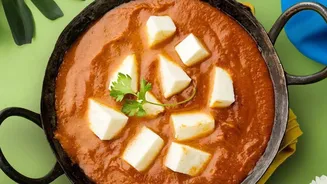
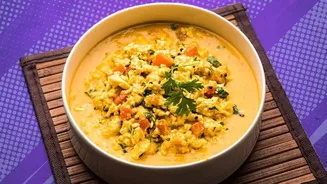
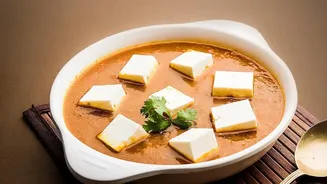
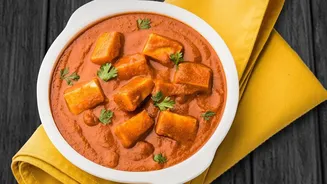
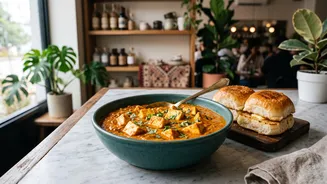
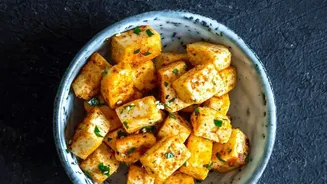
Paneer Ghotala is the ingenious vegetarian answer to its meaty counterpart. Originating from the street food paradise of Surat in Gujarat, this dish creatively substitutes meat or eggs with paneer, or Indian cottage cheese. But this isn't your standard paneer bhurji. The magic of Paneer Ghotala lies in its texture; the paneer is typically grated, not just crumbled, allowing it to melt seamlessly into the gravy. This creates a dish that is both creamy and substantial, capturing the spirit of the original 'ghotala' while forging its own distinct identity. It’s a testament to the innovation that thrives on India's streets, where classic concepts are constantly being reimagined for every palate.
A Symphony of Flavours
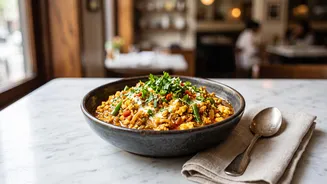
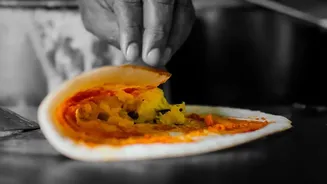
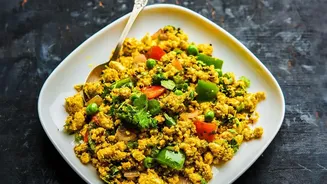
At its heart, Paneer Ghotala is a rich and aromatic curry. The base is a flavourful mix of finely chopped onions, tomatoes, and capsicum, sautéed with ginger-garlic paste. This mixture is then infused with a blend of spices that often includes red chilli powder, turmeric, and coriander powder. What truly gives it that signature street-style punch, however, is the generous use of pav bhaji masala, lending the dish its familiar, tangy, and spicy notes. Everything is cooked on a large flat-top griddle, or tawa, with a hearty dose of butter. To finish, grated cheese is often melted over the top, adding another layer of savoury indulgence that makes it utterly irresistible.
More Than Just a Bhurji
While it might draw comparisons to Paneer Bhurji (scrambled paneer), there are key differences that set Paneer Ghotala apart. Bhurji typically uses crumbled paneer and is often drier, served as a main course with roti or paratha. Ghotala, on the other hand, uses grated paneer to achieve a smoother, gravy-like consistency. It almost always includes capsicum and pav bhaji masala, ingredients not consistently found in bhurji. The method of serving is also different; Ghotala is quintessential street food, almost exclusively served with soft, butter-toasted pav, making it a complete, handheld meal experience, much like its non-vegetarian predecessors.
How to Enjoy It
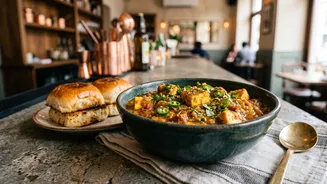
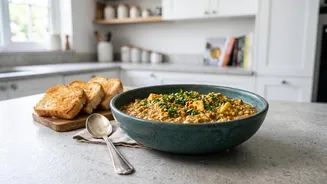
The authentic way to savour Paneer Ghotala is fresh off the tawa, steaming hot. Street vendors will typically slide a generous portion of the bright orange, fragrant mixture onto a plate. Next to it, you'll find a pair of pav bread rolls, often toasted on the same butter- and masala-laden griddle. The dish is usually garnished with a sprinkle of fresh coriander and sometimes raw chopped onions for a bit of crunch. The idea is to tear off a piece of the buttery pav and scoop up the rich, messy, and flavour-packed paneer gravy. It’s a satisfying, multi-textured bite that is comforting and exciting all at once.