




Plan Your Weekly Menu
The secret to a successful week of meals starts with a simple plan. Before you even think about chopping, decide what you want to eat. Will it be a week of quick stir-fries, comforting dals, or hearty sabzis? Jotting down a few meal ideas helps you create
a precise shopping list. This crucial first step prevents you from buying vegetables that will sadly be forgotten in the back of the fridge. A plan ensures everything you buy has a purpose, saving you money and reducing food waste. You don't need a rigid schedule, just a rough idea of the key ingredients your week will require.
Shop for Durability
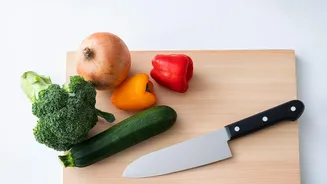
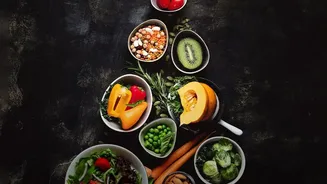
Not all vegetables are created equal when it comes to prepping. For a week-long plan, focus on sturdy, low-moisture vegetables that hold up well after being chopped. Think of firm heroes like carrots, bell peppers, broccoli, cauliflower, and cabbage. These vegetables will stay crisp and fresh for several days when stored correctly. Softer vegetables like mushrooms, cucumbers, and tomatoes are best prepped for meals you plan to eat within the first two or three days, as they have a higher water content and can become soft or slimy. Root vegetables like potatoes and beets are also excellent long-term candidates.
Set Up Your Prep Assembly Line
Dedicate an hour or two on a Sunday to your vegetable prep. This 'mise en place' approach will save you immense time on busy weeknights. Clear your kitchen counter and set up an assembly line. Start with a washing station. Next, have a large cutting board and a sharp knife ready. Finally, keep a 'scrap bowl' nearby for peels and ends, which can be composted or used to make vegetable stock. Having all your storage containers washed and ready to go will make the process smooth and efficient. It might feel like a lot of work initially, but you'll thank yourself when a home-cooked meal comes together in just 15 minutes on a Wednesday night.
Master the Indian Cooking Base
For anyone cooking Indian food, the base of most dishes is a combination of onion, ginger, garlic, and sometimes tomato. Prepping this 'tadka' mix is a game-changer. You can peel and chop onions and store them in an airtight container in the fridge for up to a week. To avoid the smell transferring, make sure the container is sealed well; glass is often better than plastic for this. You can also create a ginger-garlic paste and store it in a glass jar in the fridge for two to three weeks, adding a layer of oil on top to preserve it. Another hack is to freeze chopped onions or ginger-garlic paste in ice cube trays for perfectly portioned, long-term storage.
The Art of Chopping and Storing
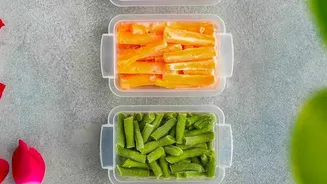
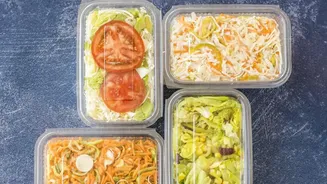
How you store your veggies is just as important as how you chop them. The main enemy of freshness is moisture. After washing, ensure all vegetables are thoroughly dry. A salad spinner works wonders for leafy greens. For hard vegetables like broccoli and bell peppers, chop them into florets or slices and place them in an airtight container. Adding a folded paper towel to the container helps absorb any excess moisture, which is the primary cause of sliminess. Carrots and celery sticks stay incredibly crunchy if you store them submerged in water inside a sealed container in the fridge. Just remember to change the water every couple of days.
Use a First-In, First-Out System
To get the most out of your prepped ingredients, it's wise to label your containers with the date they were prepped. This helps you keep track of freshness. Plan to use the more delicate vegetables earlier in the week. For example, chopped bell peppers and green beans should be used within the first few days, while hardier vegetables like carrots and cabbage will last much longer. Store your containers in a visible spot in the fridge so they don't get lost. By seeing your colourful, ready-to-go options every time you open the door, you'll be more motivated to use them and less tempted by takeaway.