






A Season of Deficits and Delays
The India Meteorological Department (IMD) has announced that conditions are favourable for the monsoon to begin withdrawing around September 19, slightly later than the normal date of September 17. Overall, the season has been marked by a significant
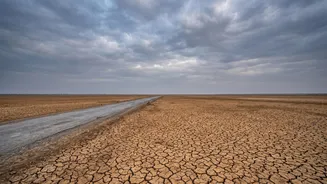
rainfall deficit, standing at around 15% below the long-period average as of mid-September. This shortfall, influenced by a strengthening El Niño, has been particularly pronounced in the south peninsula and parts of the east and northeast. While this might suggest a drier, more stable winter, the reality is more complex. The nature of the rainfall, often arriving in short, intense bursts rather than steady showers, has created varied risks across different regions, a critical factor for anyone planning to travel in the coming months.
Himalayan Routes: Proceed with Caution
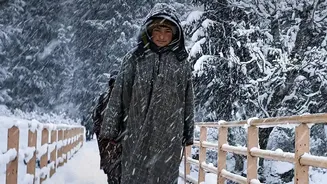
For the Himalayan states, a below-normal monsoon does not automatically translate to lower risk. Scientists have warned that even a weaker monsoon can feature intense rainfall events that saturate the soil on fragile slopes. This increases the danger of landslides and flash floods, a risk that can persist into the early winter months long after the rains have stopped. Incidents like the washing away of a 100-metre stretch of the Yamunotri National Highway in July 2026 serve as a stark reminder of this vulnerability. Travellers planning trips to popular destinations in Uttarakhand, Himachal Pradesh, Jammu and Kashmir, and Ladakh should remain vigilant. Key arteries, especially high-altitude roads maintained by the Border Roads Organisation, could face closures due to unstable slopes or early snowfall on already damp ground.
Northeast and South: A Different Outlook
The impact of the 2026 monsoon has not been uniform. East and Northeast India, including states like Arunachal Pradesh and Meghalaya, have also faced significant rainfall deficits. This could mean fewer disruptions from post-monsoon flooding, but travellers should still monitor local conditions, as the region’s complex topography always carries inherent risks. In contrast, the situation in South India is different. While the region also experienced a monsoon deficit, the primary travel season follows the monsoon. Winter travel in states like Kerala and Karnataka, which faced hot and humid conditions as the monsoon waned, is less likely to be affected by landslides and more likely to benefit from replenished, albeit not overflowing, water bodies and lush landscapes.
What This Means for Your Winter Plans
Given the mixed conditions, a flexible and informed approach to winter travel is essential this year. The primary takeaway is that national rainfall averages don't tell the whole story. Regional and even local conditions are what will ultimately determine the safety and feasibility of your trip. Before setting out, especially for mountainous regions, it is crucial to check the latest updates from official sources like the IMD and local disaster management authorities. Building extra "buffer days" into your itinerary is a wise precaution, particularly for road trips, as it allows for unexpected delays due to blockages or repairs. Finally, investing in travel insurance that covers weather-related disruptions can provide an additional layer of security for your journey.