







An Ancient Secret Gone Viral
The practice of using rice water for beauty is centuries old, most famously associated with the Yao women from the village of Huangluo in China. Known for their incredibly long, strong, and dark hair well into their 80s, their secret has long been attributed
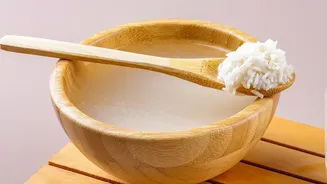
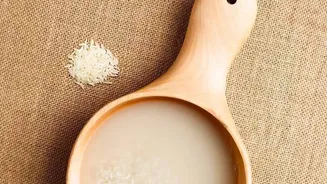
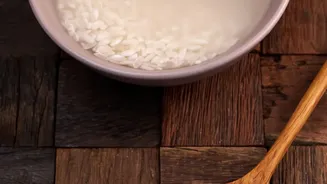
to washing their hair with the water left over from rinsing or boiling rice. The modern trend, however, focuses specifically on fermented rice water. This is simply rice water that has been left to sit at room temperature for 24 to 48 hours. During this time, microorganisms naturally present on the rice begin to break down the starches and proteins, transforming the liquid's chemical composition. This fermentation process lowers the water's pH to be more in line with the natural acidity of hair and skin, and it is believed to increase the concentration of beneficial nutrients.
The Promise for Stronger, Shinier Hair
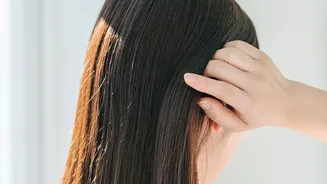
The hair benefits of fermented rice water are its main claim to fame. The liquid is rich in amino acids (the building blocks of protein), vitamins B and E, and minerals. The star ingredient, however, is a carbohydrate called inositol. Studies and experts suggest that inositol can penetrate the hair shaft, helping to strengthen it from within and reduce surface friction. This translates to hair that is smoother, less prone to tangling, and more resistant to breakage. The fermentation process also creates smaller protein molecules and peptides that can more easily bond with the hair's keratin structure, temporarily filling in gaps in the hair's cuticle. This coating of starch and protein is what gives hair an immediate boost in shine and smoothness.
A Gut-Friendly Elixir?
More recently, the trend has expanded from a topical hair treatment to a consumable gut-health tonic. The logic is that, like other fermented foods such as yogurt and kimchi, fermented rice water contains probiotics and prebiotics that can support a healthy gut microbiome. Proponents claim that drinking it can aid digestion, reduce inflammation, and improve nutrient absorption. Some studies on traditionally fermented rice beverages have shown they can alter gut microbiota. For example, one study noted an increase in beneficial bacteria like Blautia and a reduction in abdominal bloating in patients with Irritable Bowel Syndrome (IBS). However, the specific microbial composition of homemade fermented rice water can vary wildly.
What Experts and Science Say
While there's a plausible scientific basis for some of the hair claims, dermatologists urge a balanced perspective. Most agree that rice water can improve hair's appearance by coating the strands, making them smoother and stronger. However, the evidence that it stimulates new hair growth from the follicle is largely anecdotal. Experts also warn against overuse, which can lead to "protein overload," making hair stiff and brittle. There are also risks with homemade preparations, including inconsistent concentrations and potential bacterial contamination. As for drinking it, the potential benefits for the gut are less established and come with more significant risks. Improperly fermented rice water can harbor harmful bacteria. Furthermore, it can be problematic for individuals with histamine intolerance, SIBO, or compromised immune systems. Nutritionists advise that while it may offer some benefits, it should not replace nutrient-dense foods and should be consumed with caution, especially by those with underlying health conditions like diabetes.
How to Approach the Trend Safely
If you're curious to try the hair treatment, the method is simple: soak a cup of uncooked, rinsed rice in two to three cups of water for at least 30 minutes. For a fermented version, let this water sit in a covered jar at room temperature for 12-24 hours. To use, shampoo your hair first, then pour the rice water over your hair, massaging it into your hair and scalp. Let it sit for up to 20 minutes before rinsing thoroughly. Due to the risk of protein overload, it’s best to start by using it only once a week. When it comes to consumption, the risks are higher. If you choose to try it, start with a very small amount to see how your body reacts. It is crucial to ensure the rice is well-rinsed and the water is clean to minimize contamination risk. Storing it for too long can also allow harmful microbes to grow.